
Royals
The Prince and Princess of Wales Make a Strong Showing at the Royal Variety Performance
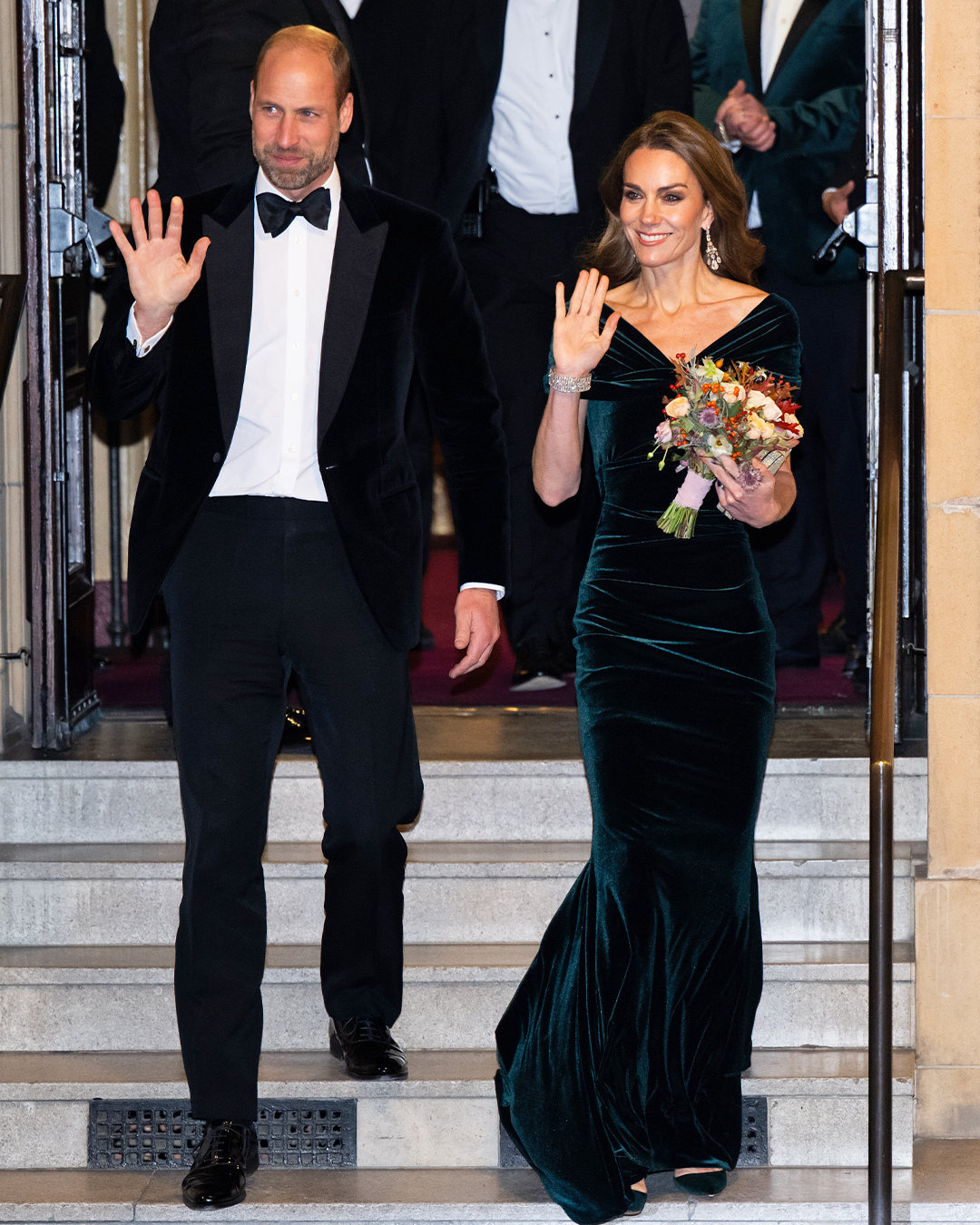
On 19 November 2025, the Prince and Princess of Wales returned to the Royal Variety Performance at the Royal Albert Hall, marking the Princess’s first major public appearance since announcing she was in remission from cancer. The occasion carried both personal and public significance, blending royal duty with charity support.
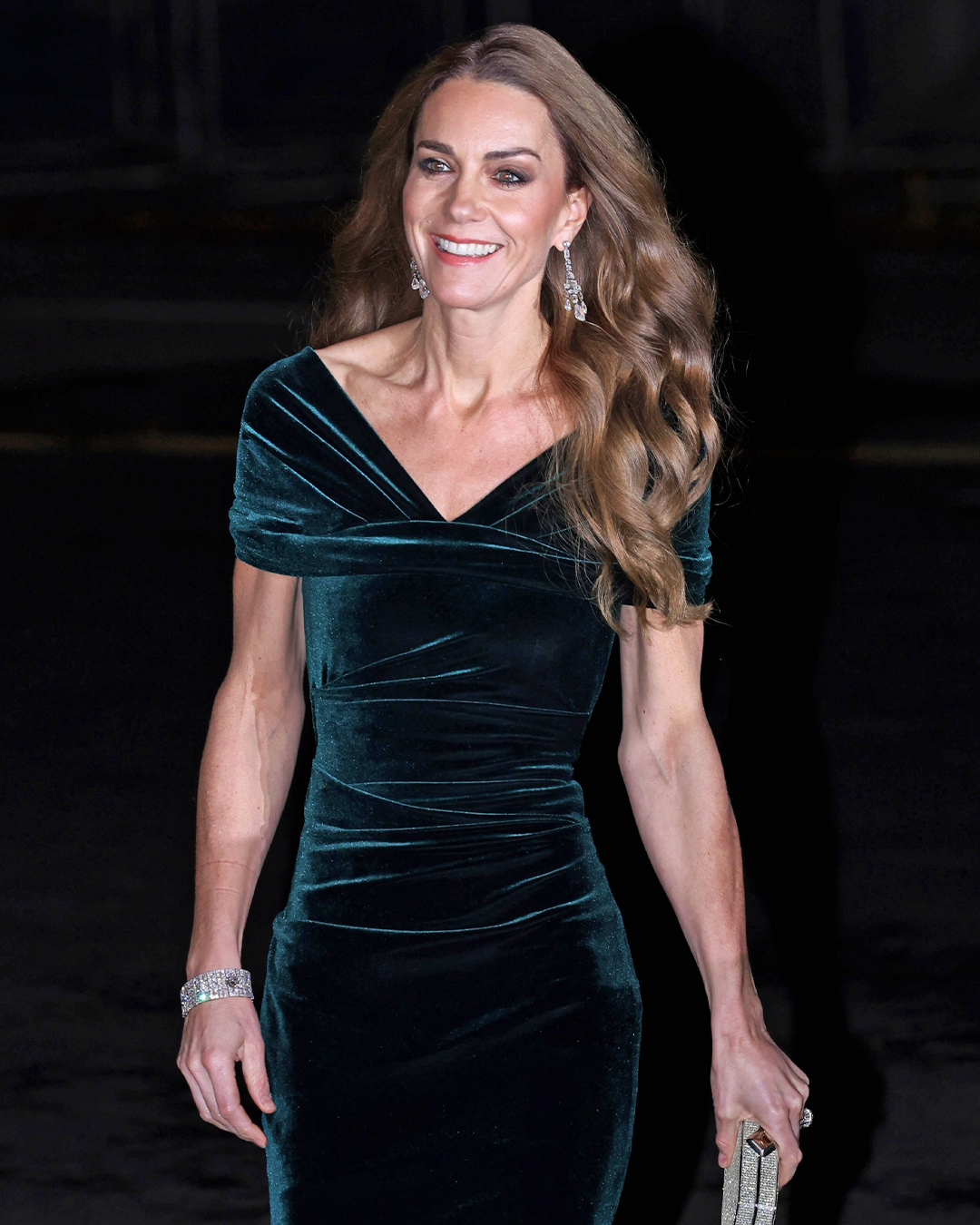
Photo Credit : Instagram
The Princess wore a deep emerald velvet gown by Talbot Runhof. The fitted, off-the-shoulder design highlighted her figure without relying on decoration. She paired the dress with matching velvet heels and a silver Jenny Packham clutch. The jewellery was notable: the Greville Diamond Chandelier Earrings, previously worn by Queen Elizabeth II, and a diamond bar bracelet adapted from a vintage Queen Mary choker. Rather than serve as modern statements, the pieces reflected the heritage and continuity of the royal family.
Media coverage focused on her composed presence and restrained styling, emphasising observable details rather than commentary. The Royal Variety Performance raises funds for the Royal Variety Charity, which supports entertainers facing financial or health challenges. The Princess’s attendance brought visibility to the charity’s work and reinforced her engagement with causes connected to the performing arts.
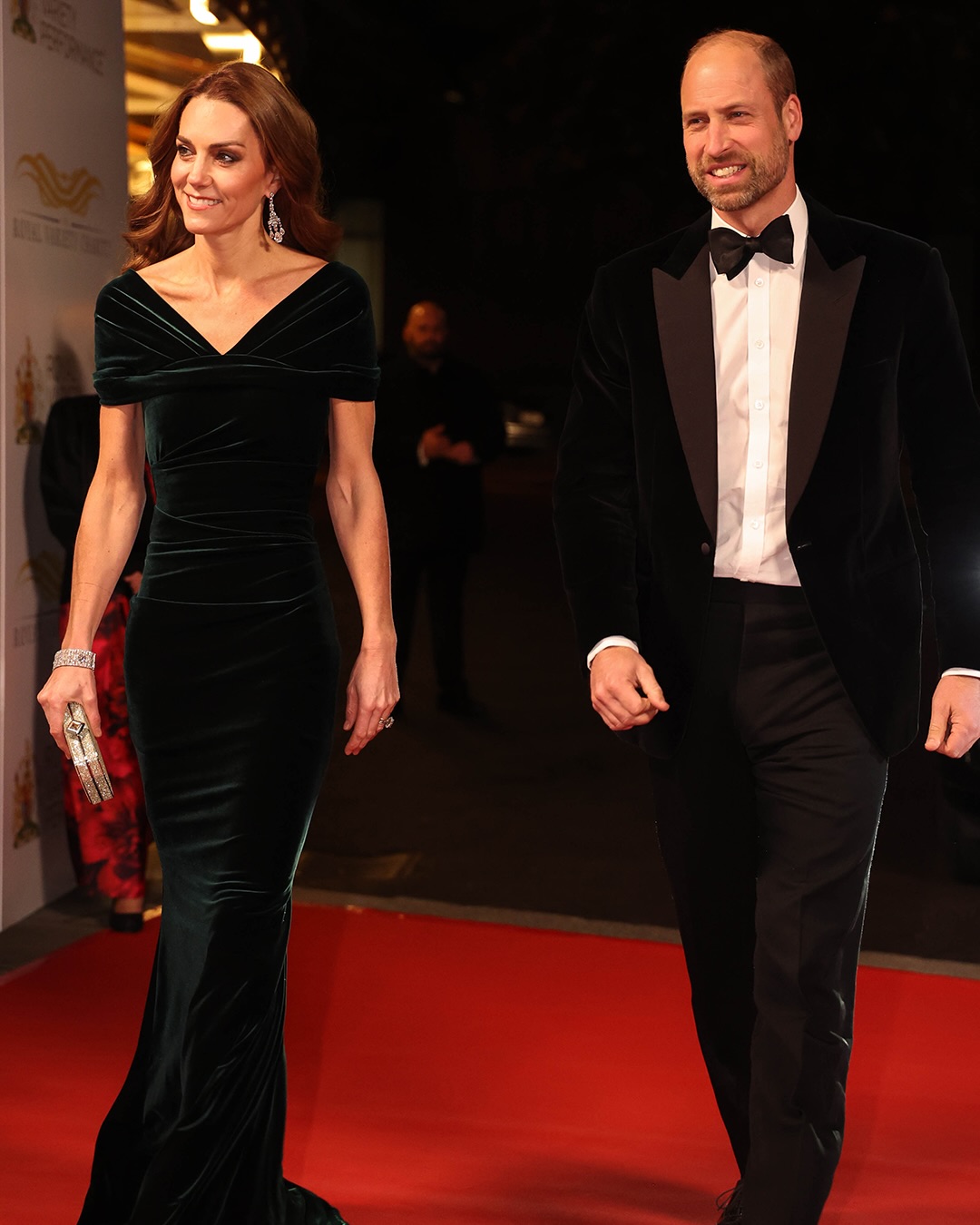
Photo Credit: Instagram
On the red carpet, the couple met nine-year-old twins associated with Brinsworth House, the care home run by the charity. The Princess asked if they were excited for Paddington The Musical, one of the evening’s performances, and noted that her own children were “very sad to miss this,” a candid remark that added a personal touch without sentimentality.
Her appearance stood out not only for the fashion but also for timing and context. The combination of thoughtful styling, historic jewellery, and considered public engagement marked a confident return to royal duties. The night reaffirmed the couple’s support for the performing arts while signalling the Princess’s readiness to resume public life.






Royals
Meghan Markle Shares Behind-the-Scenes LA Charity Video, Including Unscripted TikTok Moment
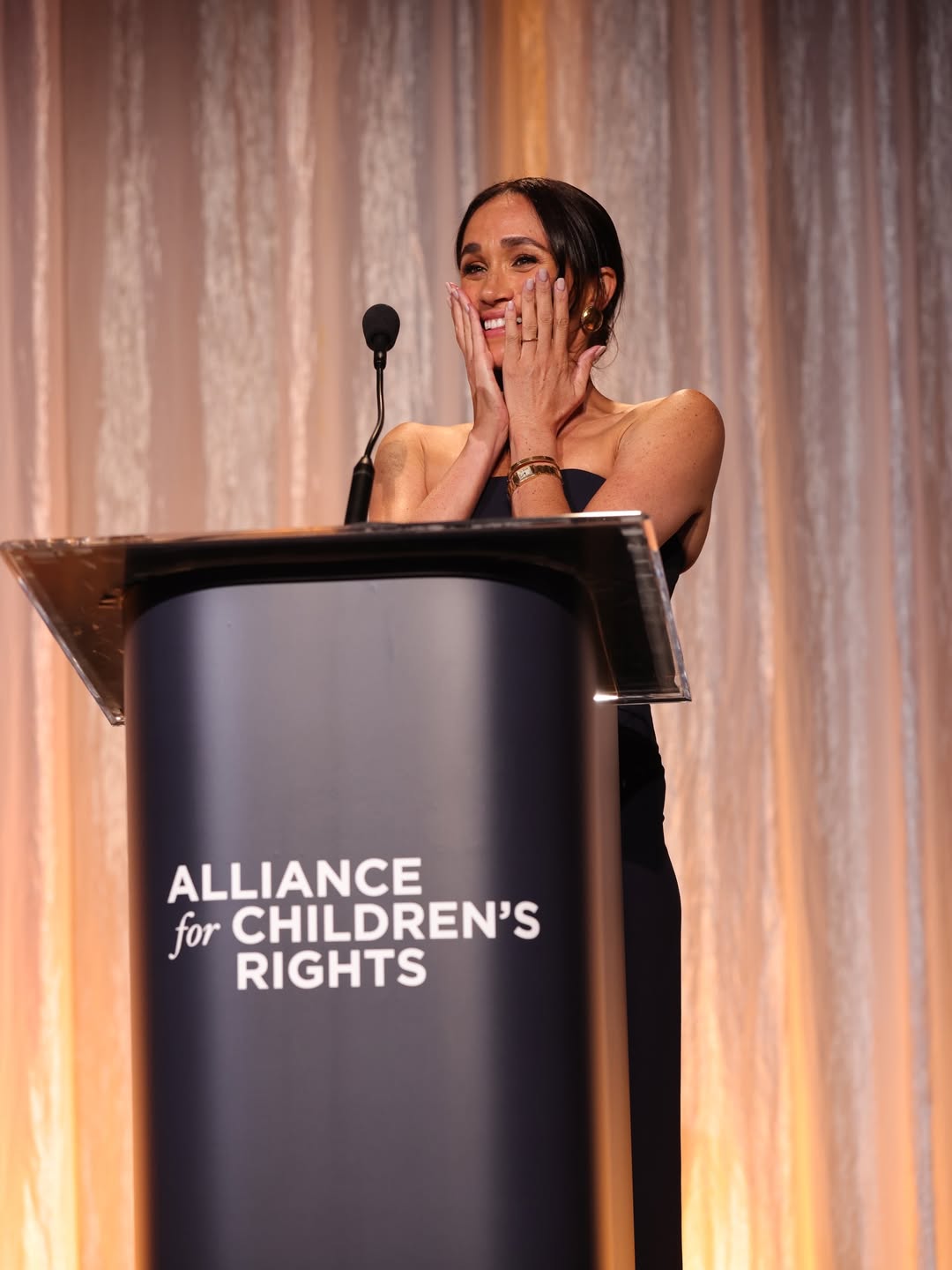
Meghan Markle has leaned further into informal, self-shot content, and her latest behind-the-scenes video from a Los Angeles charity event shows this approach in practice. The clip, shared from a recent charity bash, documents the expected red carpet and dinner speech while also capturing key moments from the evening, including an unexpected moment.
The video tracks her movements across the event: arrival, brief interactions with guests, and a speech delivered during the dinner segment. These are typical elements. The structure of the video appears less structured, formatted for social media, short-form and unpolished.
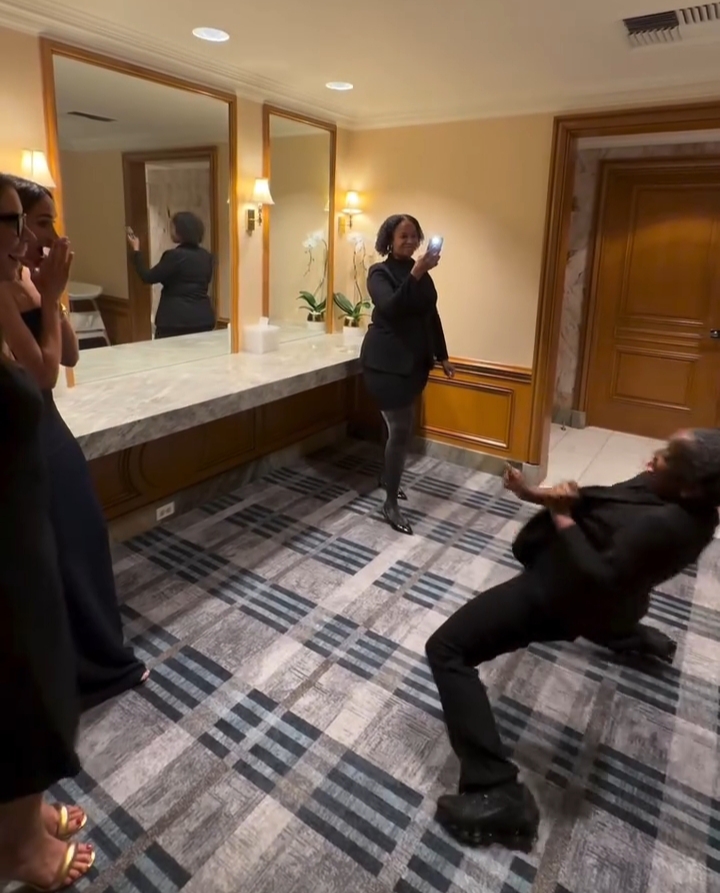
Photo – Instagram
A key moment is the interruption. At one point, Markle walks into a restroom and encounters a group of women filming a TikTok video. Instead of stepping out or cutting the clip, she stays and briefly joins in. The interaction is quick, unscripted, and left in the final edit.
That inclusion changes the tone of the video. Celebrity charity appearances are usually carefully managed. Behind-the-scenes footage, when released, usually supports a set narrative aligned with the cause. Here, the bathroom clip breaks from that format, introducing a shift that makes the rest of the footage appear less staged.
Social platforms prioritise spontaneous content. By keeping in a moment that would typically be edited out, Markle aligns the video with influencer-style content, mixing advocacy with personal content.
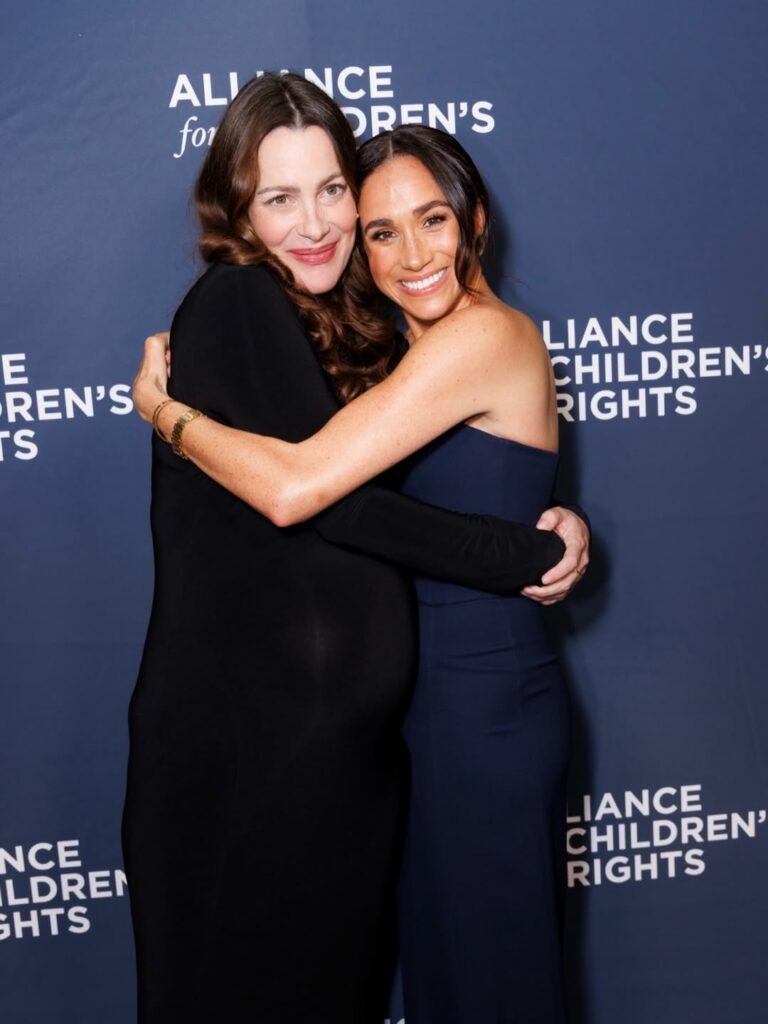
Photo – Instagram
The caption attached to the post references her support for organisations involved in child welfare. The video itself focuses on informal moments: where she walks, who she greets, and what happens in between.
Public perception of celebrity philanthropy is often judged on perceived authenticity, and this kind of footage shows it through visuals rather than statements.
The TikTok interruption stands out for its ordinary setting. There is no setup, no formal introduction, and the interaction appears informal. For a figure whose public image has been shaped through both royal protocol and media scrutiny, that moment is notable.
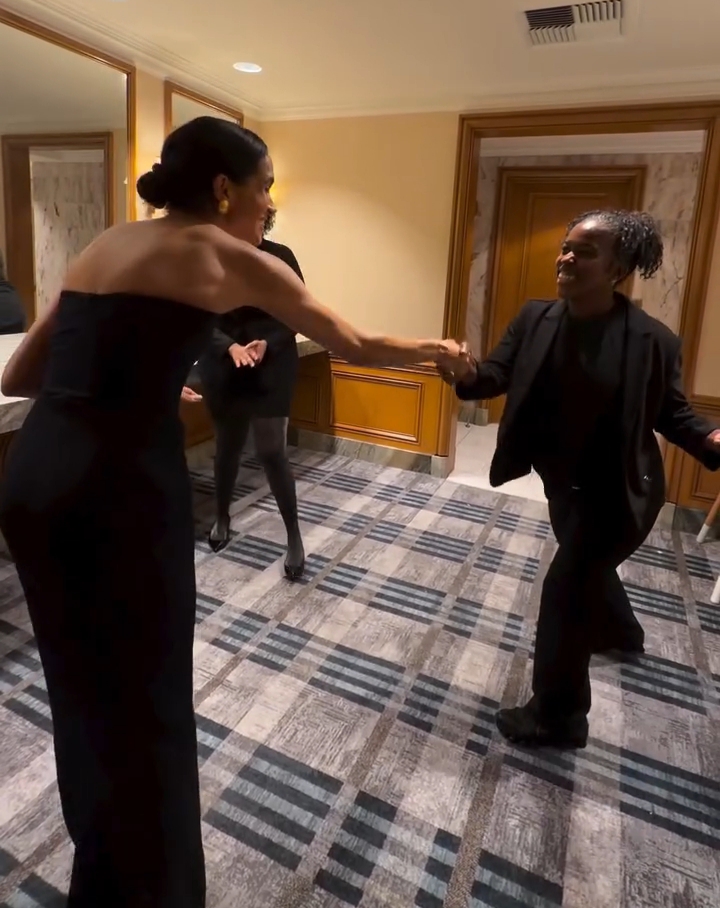
Photo – Instagram
It suggests a shift in approach. Rather than presenting a controlled narrative, Markle is experimenting with a more observational style, allowing smaller, unscripted interactions to sit alongside the formal purpose of the event. Whether that approach affects audience engagement or scrutiny will depend on how consistently it is used.
For now, a notable part of the video is the brief moment in a restroom where the interaction becomes unscripted.
Royals
Princess of Wales Returns to Public Duty in Burgundy at London Hospital
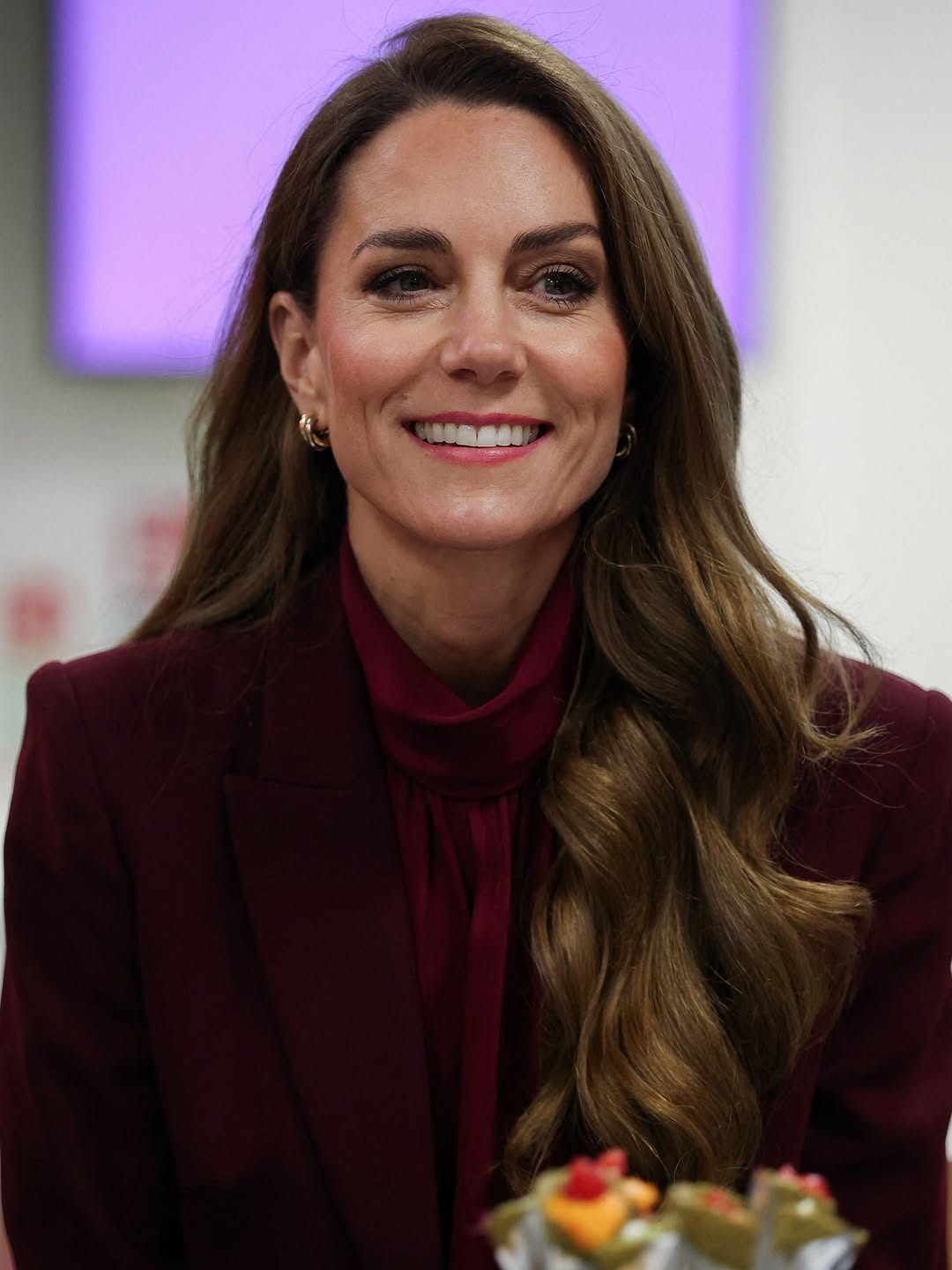
The Princess of Wales made her first public engagement of 2026 earlier this month, visiting Charing Cross Hospital in London alongside her husband, the Prince of Wales. The appearance marked the start of their official duties for the year following the holiday period.
The joint visit involved scheduled conversations with NHS staff, patients and volunteers during a period of increased winter demand across the health service. During the visit, the Princess acknowledged the ongoing pressures facing healthcare workers, while both she and Prince William spent time speaking directly with individuals involved in patient care. The engagement proceeded without a formal announcement in advance.

Photo Credit – Instagram
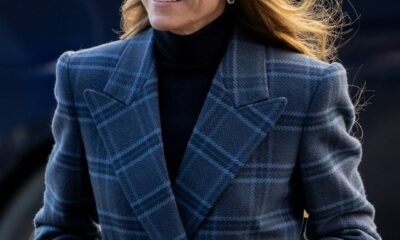
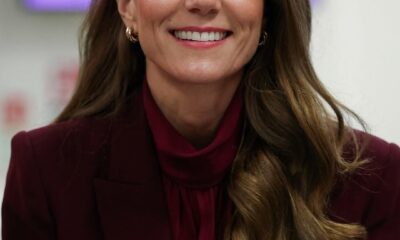
For the visit, the Princess wore a burgundy Roland Mouret suit that has been seen at previous public engagements. The tailored blazer and matching trousers were styled with a tonal blouse in a coordinating shade, neutral heels and a small Hudson bag by DeMellier London. The outfit followed a format she has used consistently for work-related appearances.
Burgundy has featured prominently across recent seasonal collections as an alternative to darker winter neutrals. In this instance, the colour was presented in a structured, tailored form, aligned with established royal dressing conventions for professional engagements.
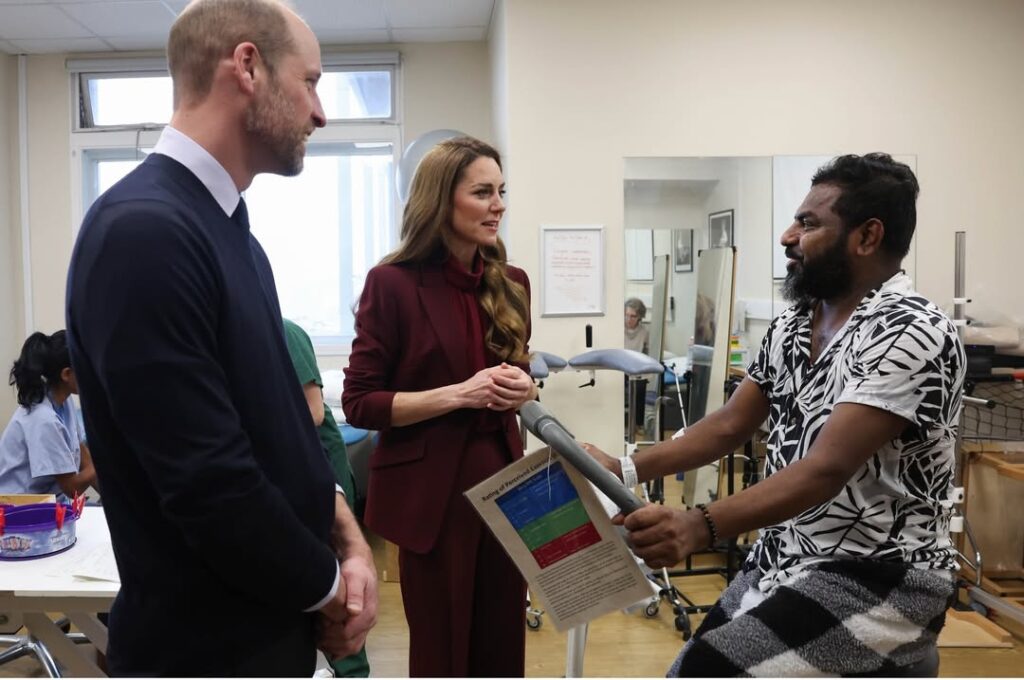
Photo Credit – Instagram
The decision to repeat a previously worn suit reflects an established practice within the royal wardrobe, particularly for visits focused on public service rather than ceremonial occasions. The Princess has worn similar colour palettes and tailoring styles across multiple engagements in recent years.
Her accessories followed the same approach. The DeMellier Hudson bag has appeared regularly in her recent public outings and was carried again for this visit. Jewellery was minimal, limited to small earrings that complemented the outfit without drawing focus.

Photo Credit – Instagram
As she begins the year in which she turns 44, the Princess continues to resume public-facing duties. During the hospital visit, she spoke with a chemotherapy volunteer about treatment experiences, acknowledging shared aspects of the discussion without referencing her own health publicly. Prince William was present throughout the visit, engaging with staff and volunteers alongside her.
The engagement was conducted as part of the standard royal working schedule rather than positioned as a milestone appearance. The visit concluded without additional commentary, aligning with the practical nature of the setting.
In opening the year with a hospital visit carried out jointly, the Prince and Princess of Wales returned to a familiar pattern of public service engagements. Their appearance and conduct reflected continuity with previous working visits, setting the tone for their official activities in the months ahead.
Royals
Prince Harry Set to Have Armed Security Reinstated for UK Visits
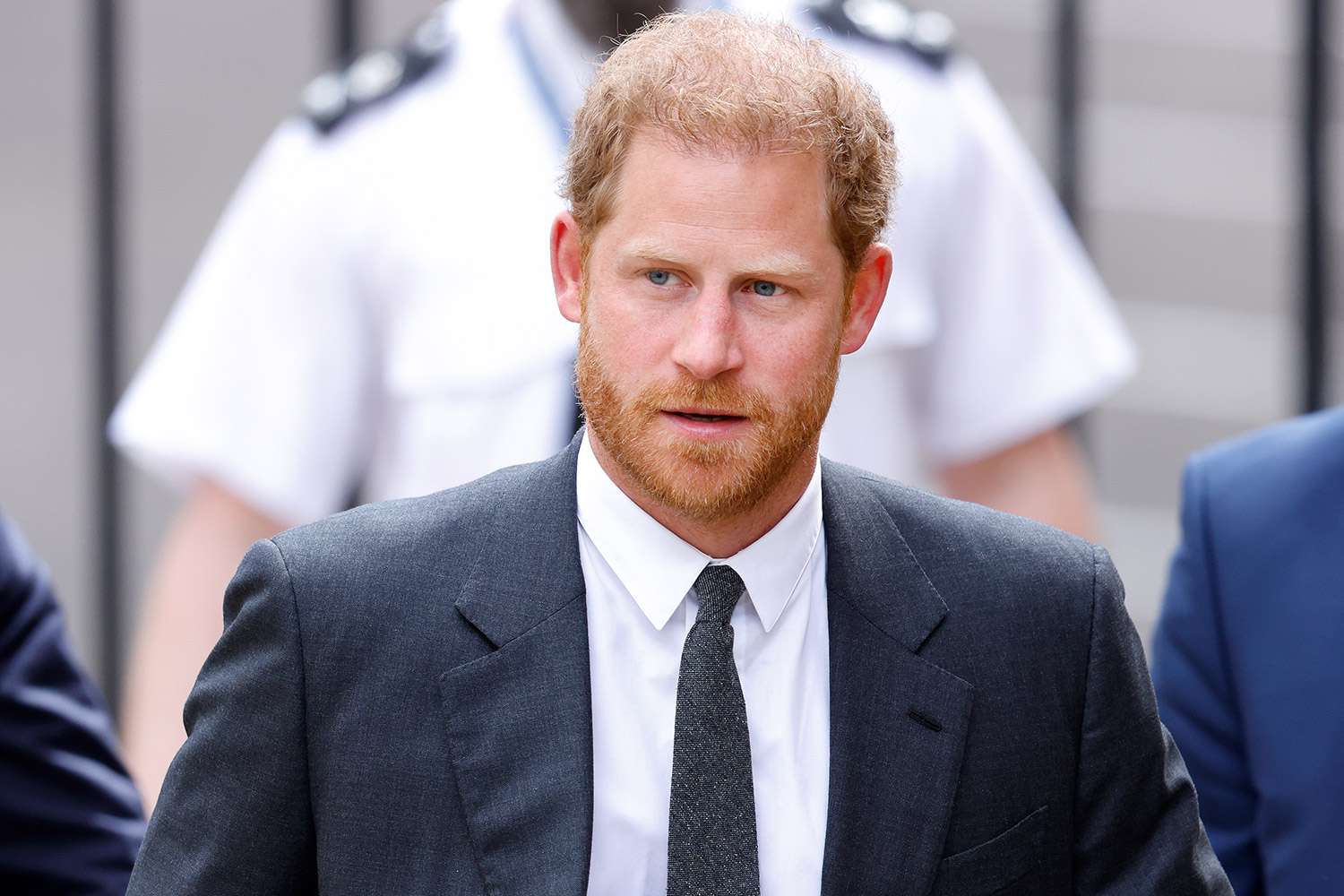
Prince Harry is expected to regain armed police protection during visits to the UK, signalling a change in how his security has been handled since he stepped back from royal duties in 2020.
Following his departure from the role of a senior working royal, the Duke of Sussex lost automatic state-provided armed police protection while in the UK. His security arrangements were instead placed under a case-by-case system overseen by the Royal and VIP Executive Committee, known as Ravec. Under UK law, privately hired security personnel are not permitted to carry firearms, a restriction Harry has long argued exposes him to unnecessary risk when visiting the country.
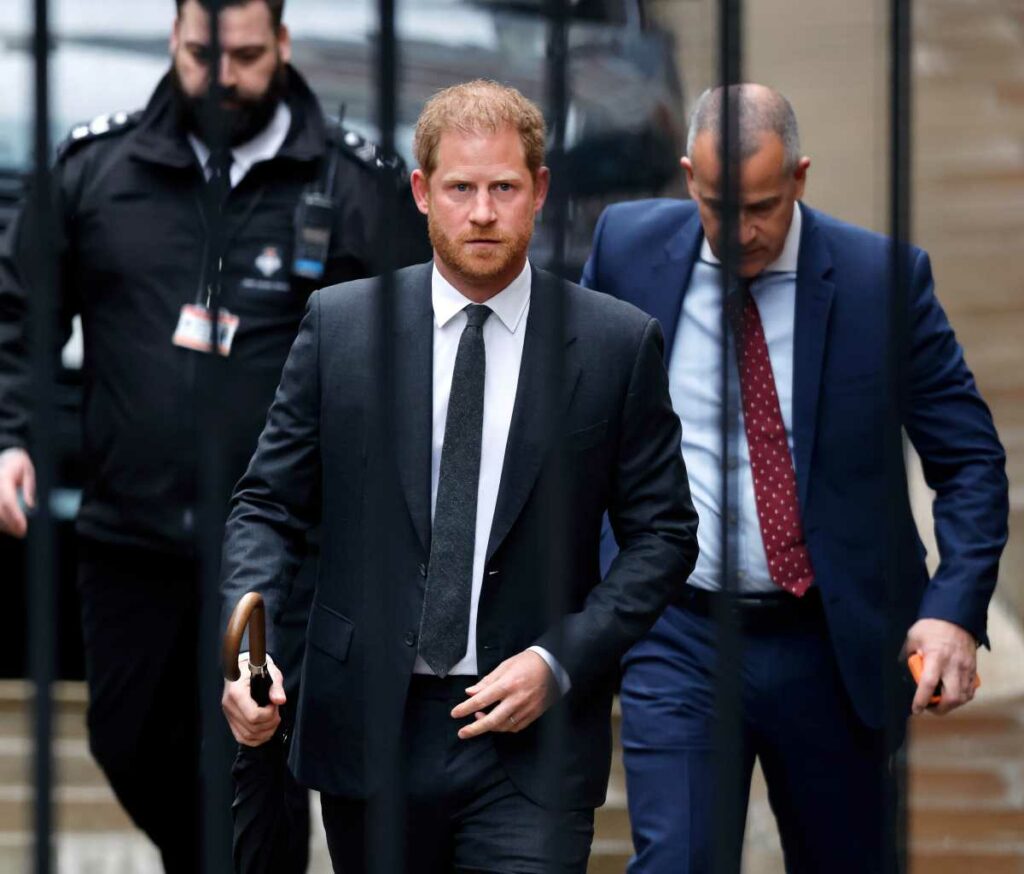
Photo Credit – Getty Images
The duke pursued legal action against the Home Office, maintaining that the removal of armed police protection left him vulnerable and made it unsafe for his wife and children to accompany him to Britain. In May 2025, he lost a key appeal at the High Court, with the ruling confirming that the government had acted within the law when it altered his security status based on his changed role.
That position has since been reassessed. A recent security review conducted by Ravec, involving the Home Office, the Metropolitan Police and royal security officials, is understood to have concluded that Prince Harry now meets the threshold required for armed police protection during UK visits. Individuals briefed on the review say reinstatement is expected, pending final administrative steps, though no formal announcement has been made.
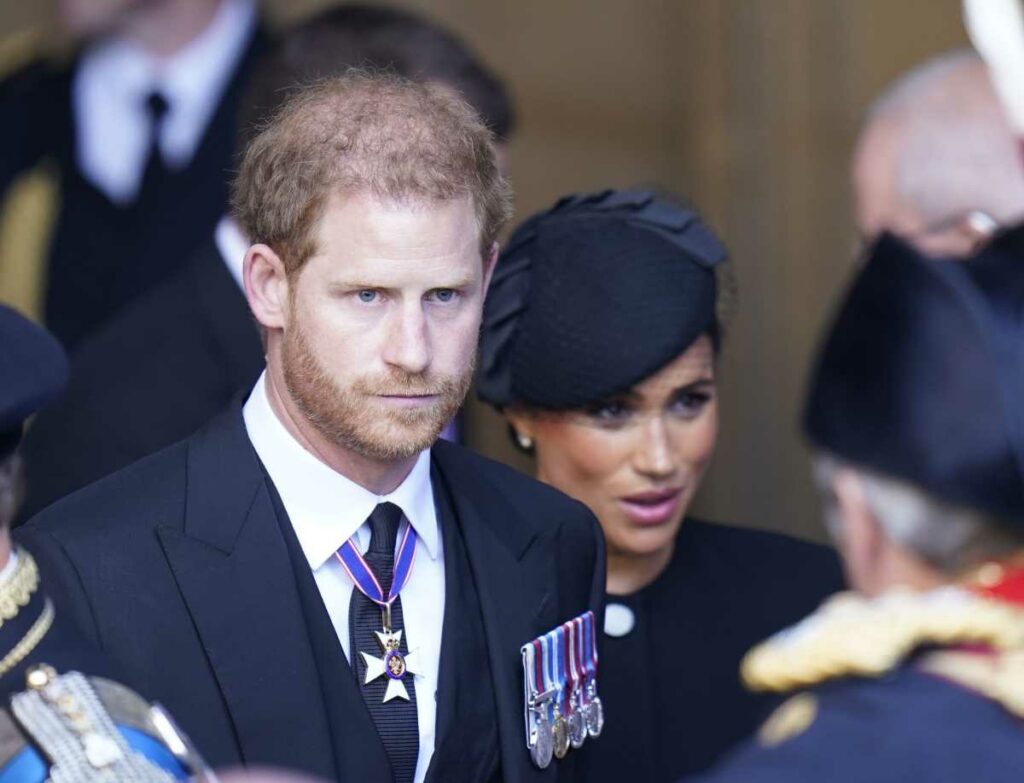
Photo Credit – Getty Images
The renewed assessment followed increased concern about Harry’s personal safety, including incidents involving persistent individuals gaining proximity to him despite existing security measures. While specific details remain confidential, the Home Office has reiterated that protection arrangements are kept under continuous review and adjusted in response to changing threat levels.
The decision affects more than Harry alone. He has previously stated that the absence of armed police protection has been the main reason his children, Prince Archie and Princess Lilibet, have rarely visited the UK. Both children live in the United States and have only travelled to Britain once, during Queen Elizabeth II’s Platinum Jubilee celebrations in 2022.
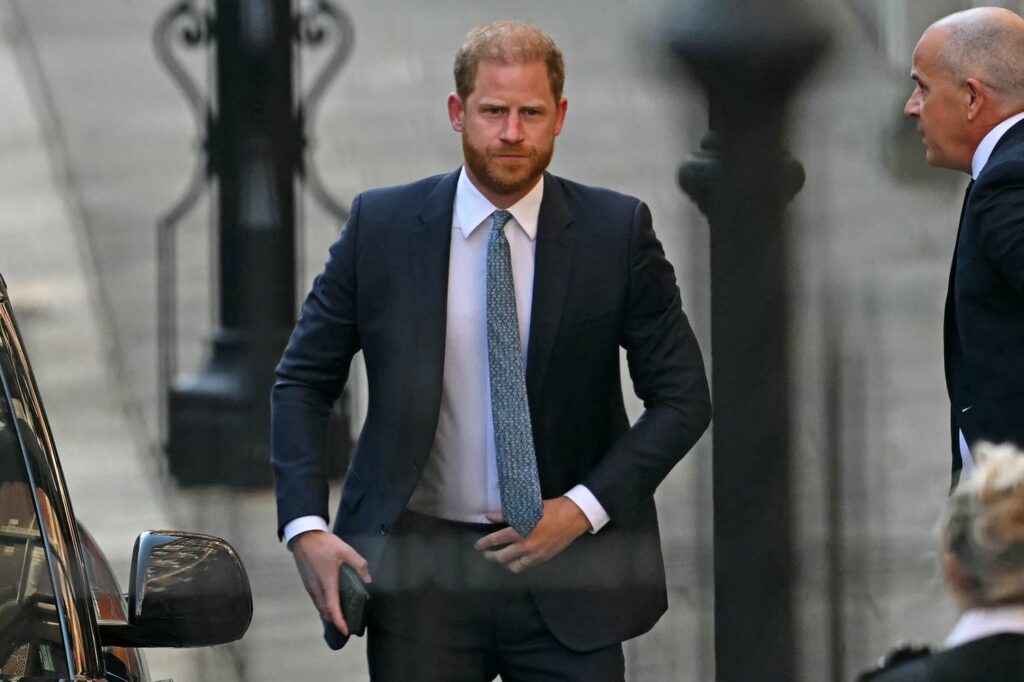
Photo Credit – Getty Images
With enhanced protection now likely, the prospect of family visits becomes more practical, potentially allowing for renewed contact between the Sussex children and King Charles. No visit has been confirmed, but the expected security changes remove one of the most significant obstacles cited by the duke since his relocation abroad.
For the government, the move reflects an approach driven by risk assessment rather than royal status. For Prince Harry, it brings an end to years of uncertainty surrounding his safety arrangements and provides a clearer framework for future trips to the UK.
If approved as anticipated, his visits would no longer rely on temporary or adhoc measures but instead operate under a formalised security arrangement, closing a dispute that has shaped his relationship with Britain since 2020.

Kylie Jenner and Timothée Chalamet Seen at LA Dinner with Kendall Jenner

Aubrey Plaza Reveals Baby Bump Following Pregnancy News with Christopher Abbott

Kim Kardashian Appears in Lewis Hamilton’s Tokyo Drift Video Featuring Ferrari F40


-

 Fashion5 months ago
Hailey Bieber Is Firmly on Team Going‑Out Top
-
 Fashion8 months ago
Lisa Brings Labubu to Life at BLACKPINK’s London Show
-

 Tech7 months ago
iPhone 17 Pro Max: Apple’s Boldest Upgrade
-
 Celebrity News8 months ago
Rita Ora Toasts Husband Taika Waititi on His 50th Birthday
-
 Music8 months ago
Cardi B Drops Imaginary Playerz and Sets the Tone
-
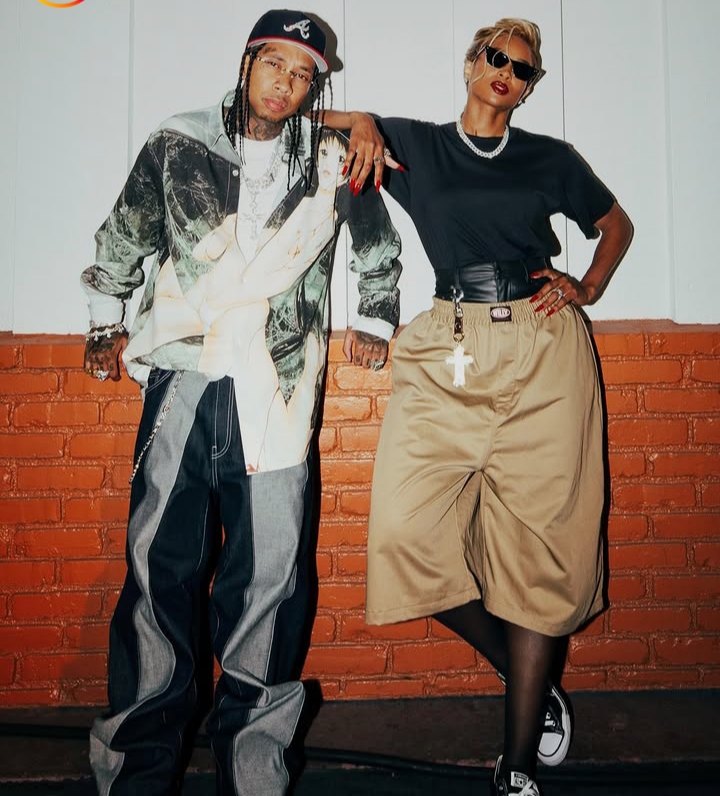 Music8 months ago
Ciara & Tyga’s “Dance With Me”: A Bold Revival That’s Got Fans Talking
-
 Celebrity Style7 months ago
Rita Ora and Primark Reveal Autumn/Winter 2025 Collection
-
 Celebrity Style7 months ago
Naomi Campbell Teams Up with Tolu Coker for Spring 2026 Collection
You must be logged in to post a comment Login