
Royals
A History of the Royal Family’s Christmas Cards

The British Royal Family’s Christmas cards have long functioned as controlled public statements rather than informal holiday greetings. From their earliest appearances in the early twentieth century, the cards have reflected how the monarchy responds to public expectation, national mood, and shifts in media culture. What appears simple on the surface is, in practice, carefully managed communication.
The tradition emerged during the First World War. In 1914, Princess Mary included a Christmas card in tins sent to British soldiers serving overseas. The image was formal, and the message restrained. It was not designed for sentimentality but for reassurance. During the Second World War, the practice continued when Princess Elizabeth, years before her accession, sent Christmas cards to the Grenadier Guards. Photographs from that period frequently showed her in uniform, reinforcing duty and national service rather than family life.

Credit – Getty Images
After the war, the emphasis changed. As Britain moved into a period of rebuilding, royal Christmas cards increasingly featured family imagery. Queen Elizabeth II and Prince Philip used photographs of their children to communicate continuity at a time when the monarchy was redefining its place in a changing society. These images were neither spontaneous nor intimate. They were staged, selected months in advance, and intended to project order and stability.
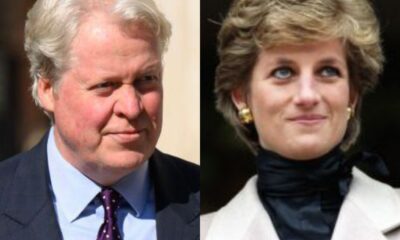
By the late twentieth century, particularly during the marriage of Prince Charles and Princess Diana, the visual language of the cards shifted again. Images of Princes William and Harry appeared less formal and more domestic in tone. Outdoor settings and relaxed poses suggested a softer image of royal life. This change coincided with increased media scrutiny and a public appetite for accessibility. The cards responded to that pressure while maintaining tight control over presentation.
One consistent feature across decades is the absence of traditional winter imagery. Snow, fireplaces, and overt seasonal symbolism are largely avoided. The photographs are typically taken in neutral or warm-weather settings, allowing the image to remain usable beyond the holiday period and preventing associations with hardship or austerity. The timing of professional photo sessions also plays a role, reinforcing practicality over seasonal accuracy.

Credit – Getty Images
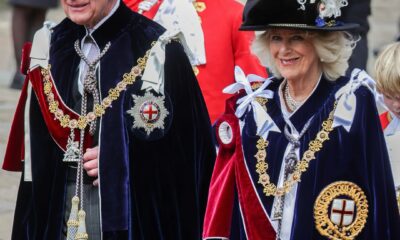
In her later years, Queen Elizabeth II maintained a steady approach. Her Christmas cards often used photographs taken at royal residences, sometimes captured by family members. Exhibitions of these cards later revealed how little the formula changed over time. The consistency was deliberate. Variation risked distraction, while repetition reinforced familiarity and permanence.
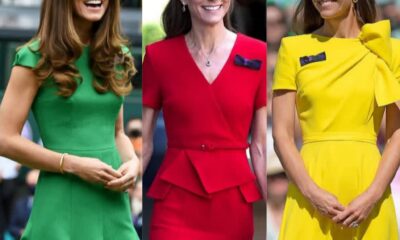
The Prince and Princess of Wales have continued this approach with subtle adjustments. Their cards usually feature coordinated but understated family portraits with their three children. The tone suggests ease without relinquishing control. Every element, from clothing to setting, contributes to a message of reliability and continuity rather than spontaneity.

Credit – Getty Images
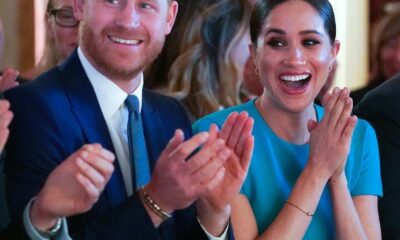
The Duke and Duchess of Sussex have adopted a different model. Their recent Christmas greetings have often been digital and message-led, incorporating images tied to public engagements or charitable work rather than a single posed family portrait. The focus shifts from tradition to narrative, using the card as a platform for outlining priorities and values rather than reinforcing established royal imagery.
Taken together, royal Christmas cards form an informal visual archive of the monarchy’s evolving relationship with the public. They document how the institution adapts to social change while maintaining authority. Far from being decorative seasonal gestures, the cards reveal a long-standing effort to manage visibility, project reassurance, and signal continuity at the close of each year.






Royals
Prince Andrew Reportedly Vented About the King in Emails to Beatrice and Eugenie
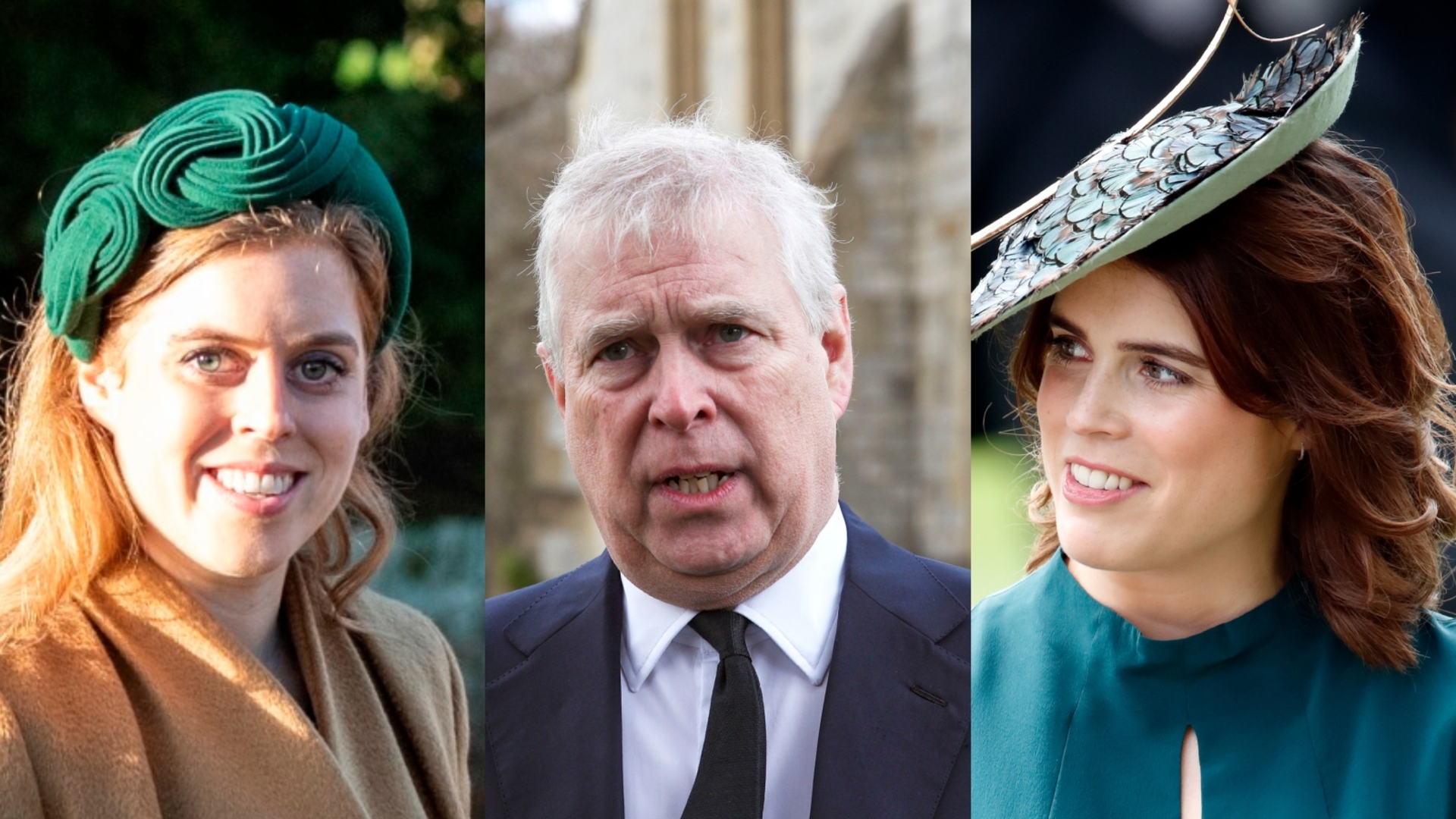
Prince Andrew has reportedly expressed frustration with King Charles in private emails sent to his daughters, Princess Beatrice and Princess Eugenie, according to recent reports.
The correspondence is said to contain complaints about decisions that have affected Andrew’s role within the Royal Family and his standing following years of public controversy. While the full contents of the emails have not been made public, reports claim the Duke of York voiced anger over how he has been treated amid continuing scrutiny of his affairs.
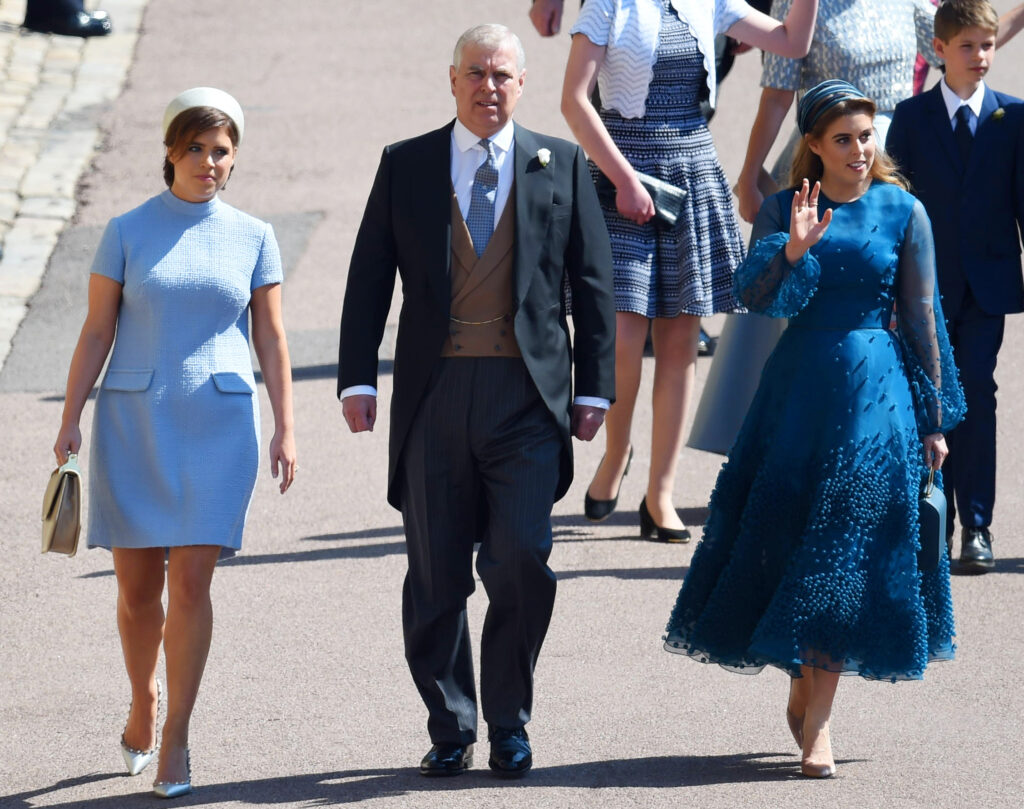
Photo – Instagram
The claims come as Andrew remains under renewed examination following reports linked to his relationship with convicted sex offender Jeffrey Epstein. Recent disclosures have prompted further discussion about the extent of their association and the continuing challenges the issue poses for the monarchy.
Princess Beatrice and Princess Eugenie have largely avoided commenting publicly on matters involving their father. Reports suggest the sisters have faced difficult questions as Andrew’s legal and reputational troubles continue to attract headlines, placing them in an uncomfortable position despite their efforts to maintain a relatively low profile.
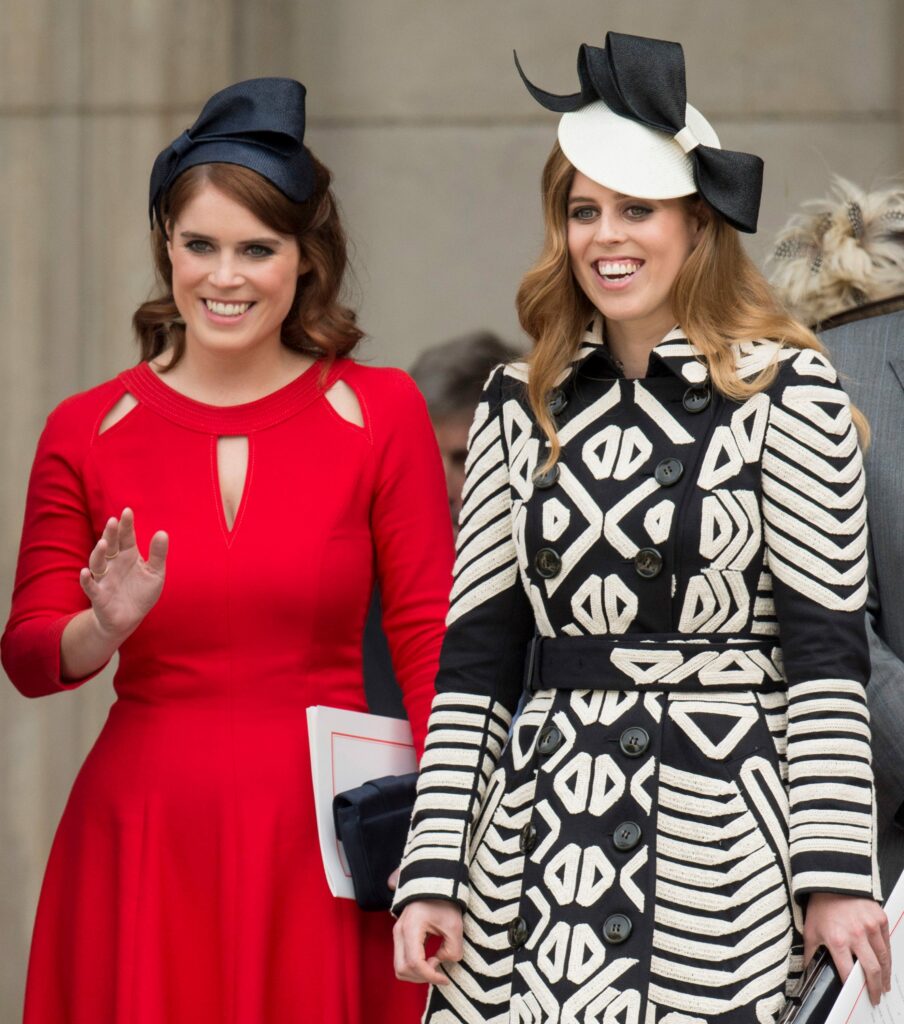
Photo – Instagram
The latest reports also highlight the challenges facing the York family as scrutiny surrounding Andrew continues. While Beatrice and Eugenie have maintained active public and charitable roles, their father’s situation has repeatedly drawn attention back to the controversy that has followed him for years.
King Charles has sought to reinforce a distinction between the monarchy’s public responsibilities and the issues surrounding his younger brother. Since becoming monarch, he has overseen decisions that reduced Andrew’s public role, reflecting the Royal Family’s efforts to move forward from controversies that have damaged its reputation.
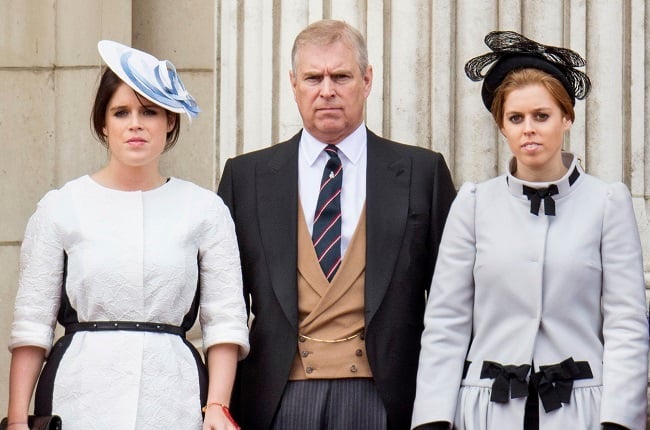
Photo – Instagram
Neither Buckingham Palace nor representatives for Andrew have publicly commented on the reported emails. However, the claims have fuelled further discussion about relations within the Royal Family and the lasting impact of Andrew’s fall from public life.
The reported correspondence serves as a reminder that questions surrounding the Duke of York remain unresolved. As debate over his place within the Royal Family continues, attention is likely to remain on how the monarchy manages one of the most challenging controversies of the modern royal era.
Royals
Prince and Princess of Wales Attend Annual Garden Party at Buckingham Palace
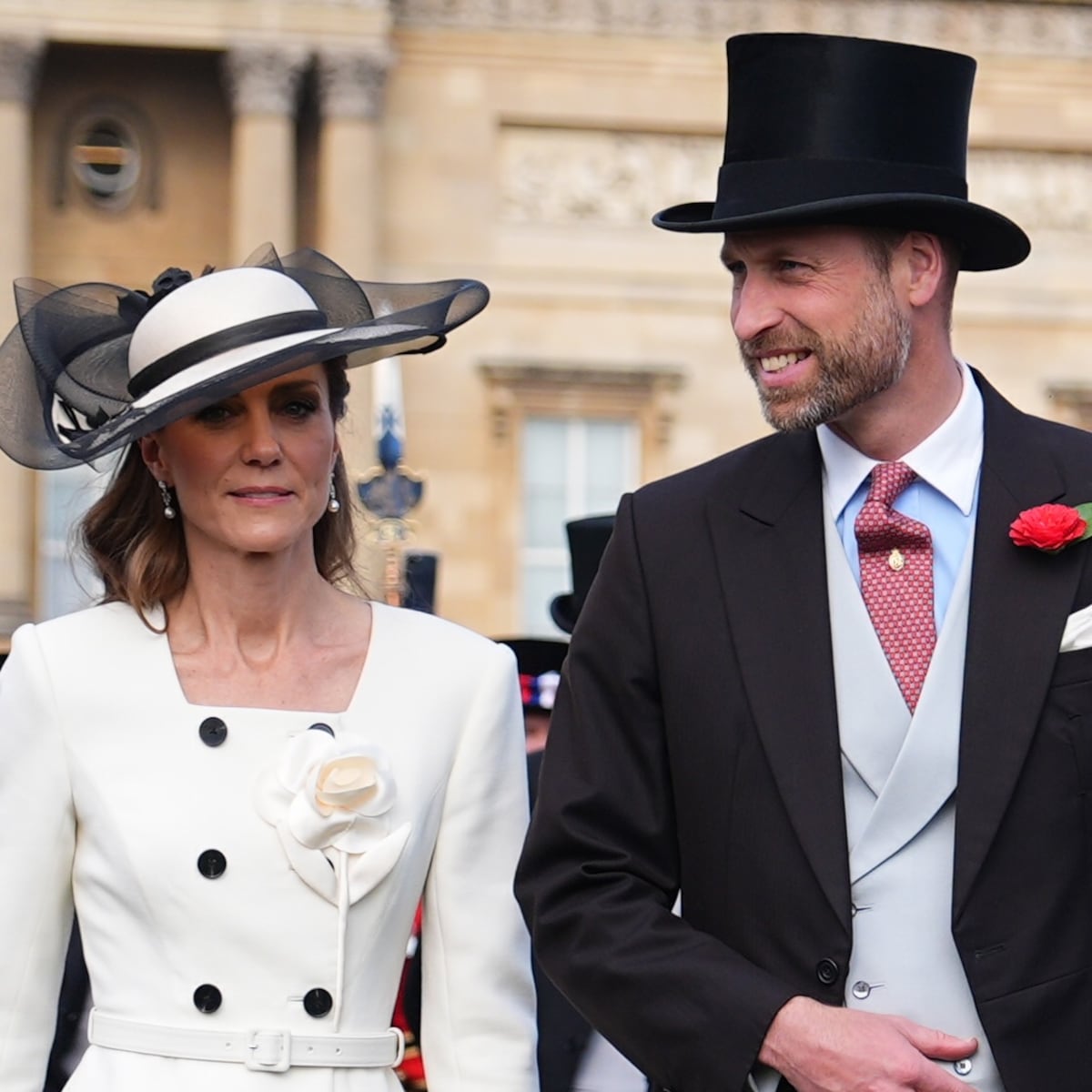
Guests gathered at Buckingham Palace as Prince William and Catherine, Princess of Wales attended the annual royal garden party on behalf of King Charles III.
The event welcomed thousands of guests to the palace grounds, recognising people for their contributions to charities, public service and local communities across the UK. It also marked another public appearance for Catherine following her recent return to royal duties after cancer treatment.
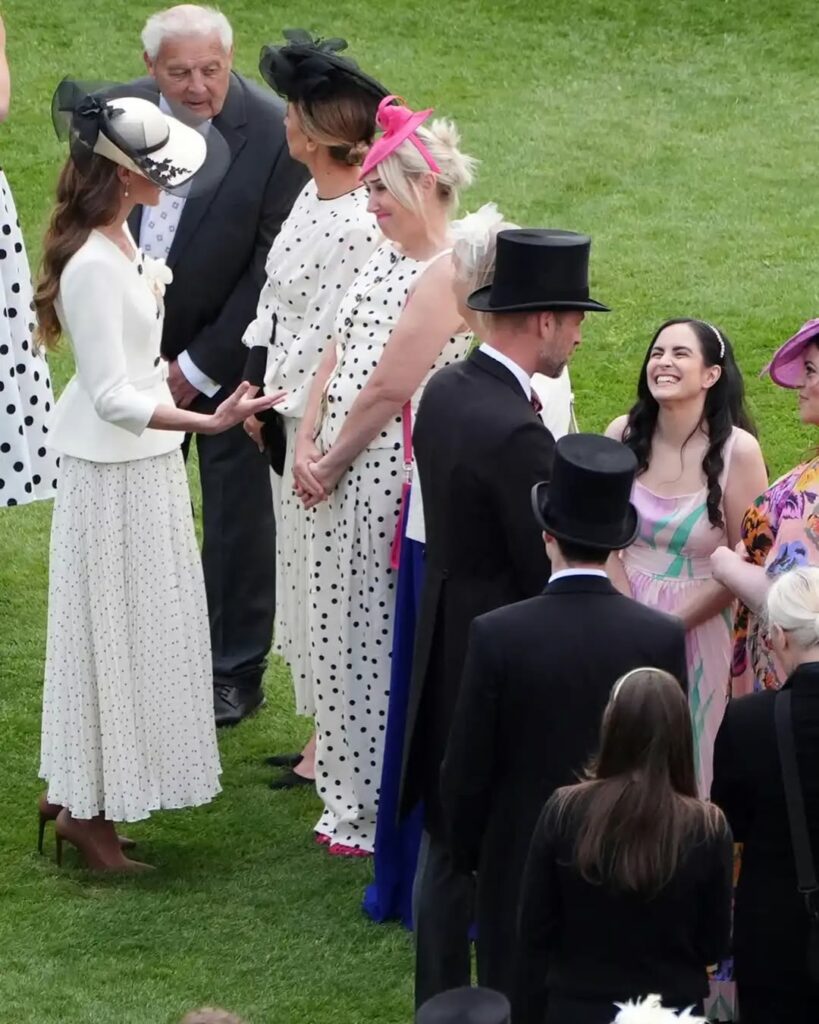
Photo – Instagram
Royal garden parties have long formed part of the monarchy’s public engagements, bringing together charity founders, volunteers, members of the military and campaigners from across the country. Reports from the event stated that around 8,000 guests attended the gathering.
William and Catherine were joined by several senior members of the royal family, including Sophie, Duchess of Edinburgh, Prince Edward and Zara Tindall.
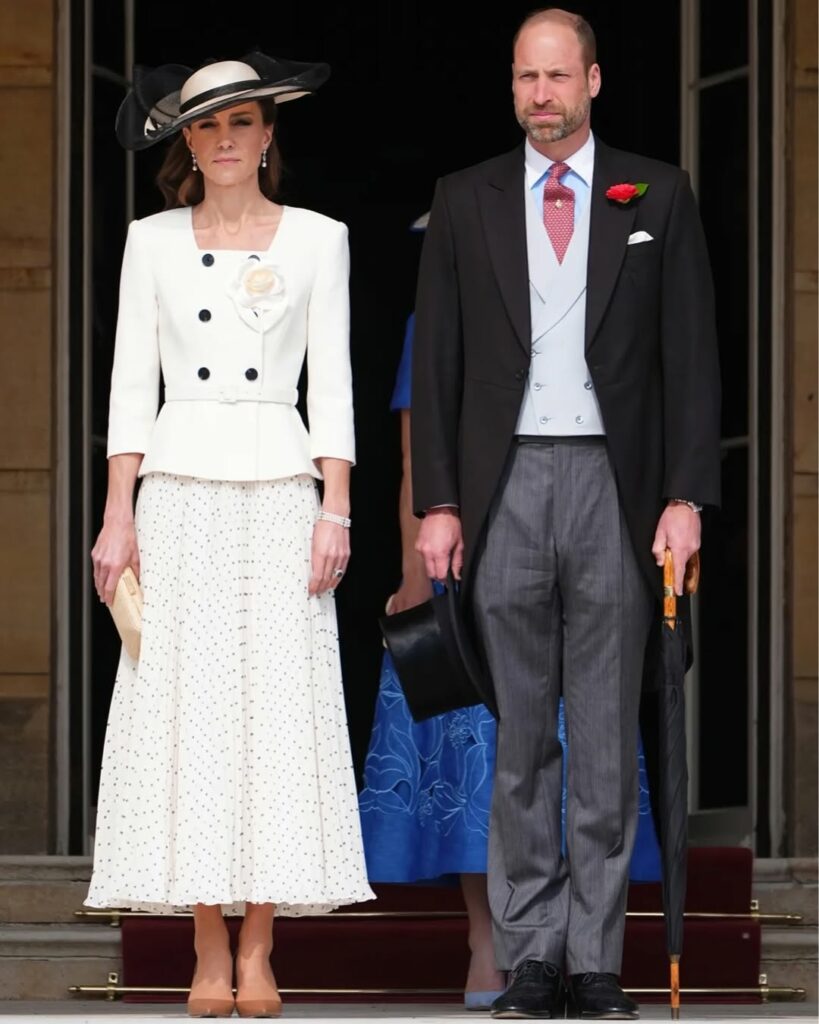
Photo – Instagram
Catherine wore a black-and-white Self-Portrait outfit featuring a structured cream jacket and a polka-dot skirt, paired with a wide-brimmed hat and jewellery previously worn by Queen Elizabeth II.
William, dressed in traditional morning attire with a top hat, greeted guests connected to causes he has supported over the years, including homelessness and mental health initiatives. The event also included a reunion with charity founder Rhian Mannings, whom the prince had previously met during an earlier engagement.
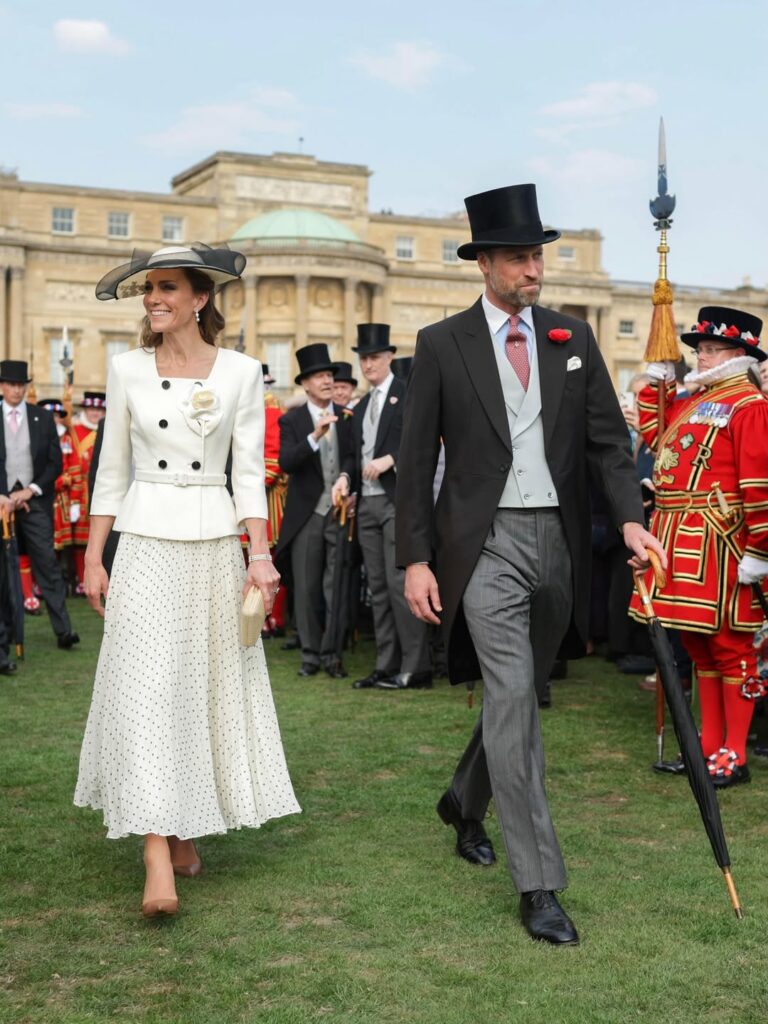
Photo – Instagram
The annual garden parties continue to be held at Buckingham Palace and the Palace of Holyroodhouse each year, with guests traditionally served tea, cakes and sandwiches while military bands perform in the palace gardens.
This year’s royal schedule also includes additional themed gatherings linked to the King’s charitable organisations and military support initiatives.
The garden party highlighted the Prince and Princess of Wales’ ongoing public duties as they continue to represent the royal family at major public events.
Royals
Princess of Wales Attends Anzac Day Commemoration at the Cenotaph
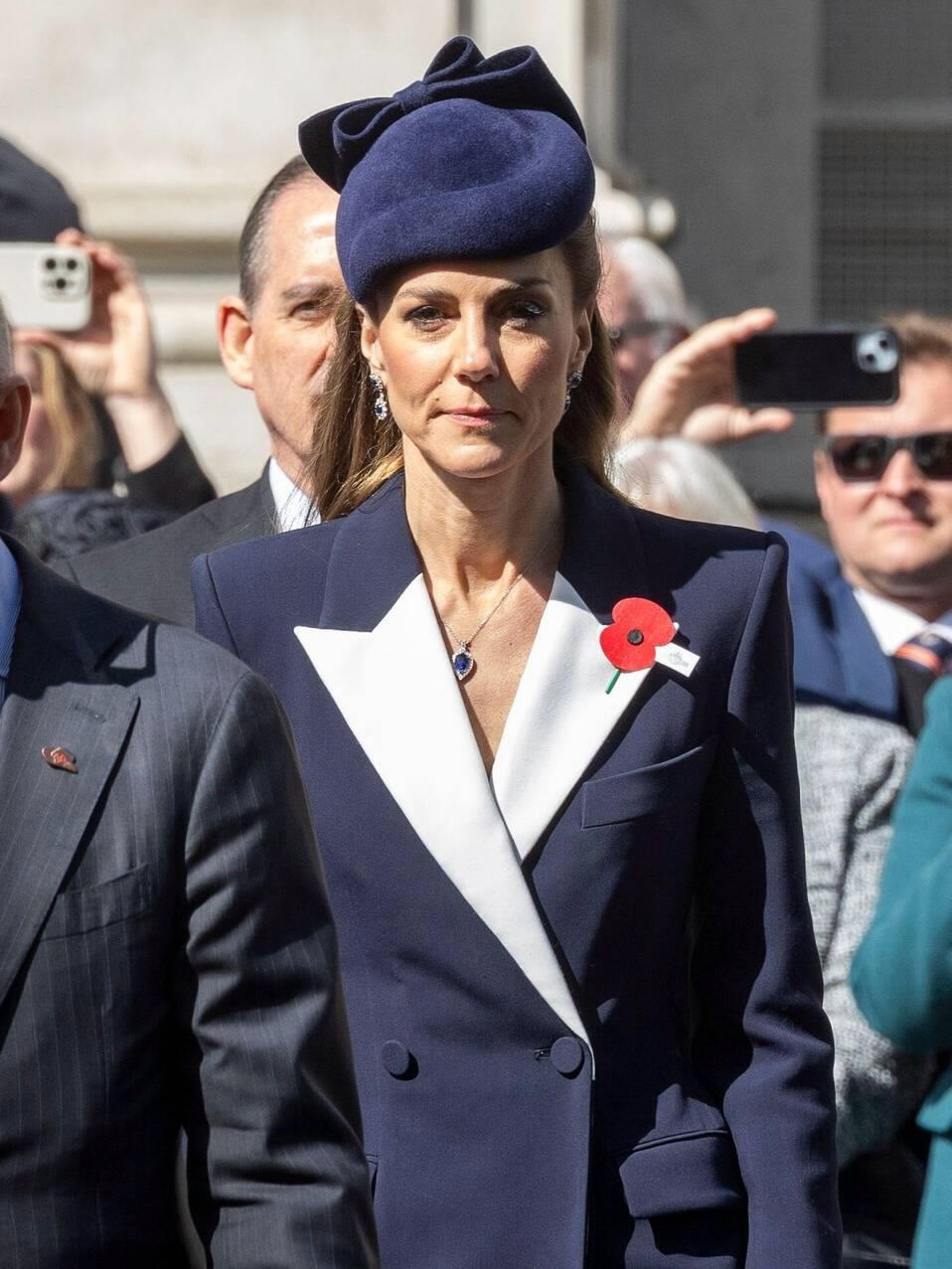
The appearance of Catherine, Princess of Wales at The Cenotaph for Anzac Day followed a formal ceremonial structure.
Observed annually on 25 April, Anzac Day marks the 1915 landings at Gallipoli and honours Australian and New Zealand service personnel across conflicts. In London, the commemoration has been held for more than a century, forming part of the established ceremonial calendar. The sequence is fixed, with roles clearly defined, reflecting long-standing practice.
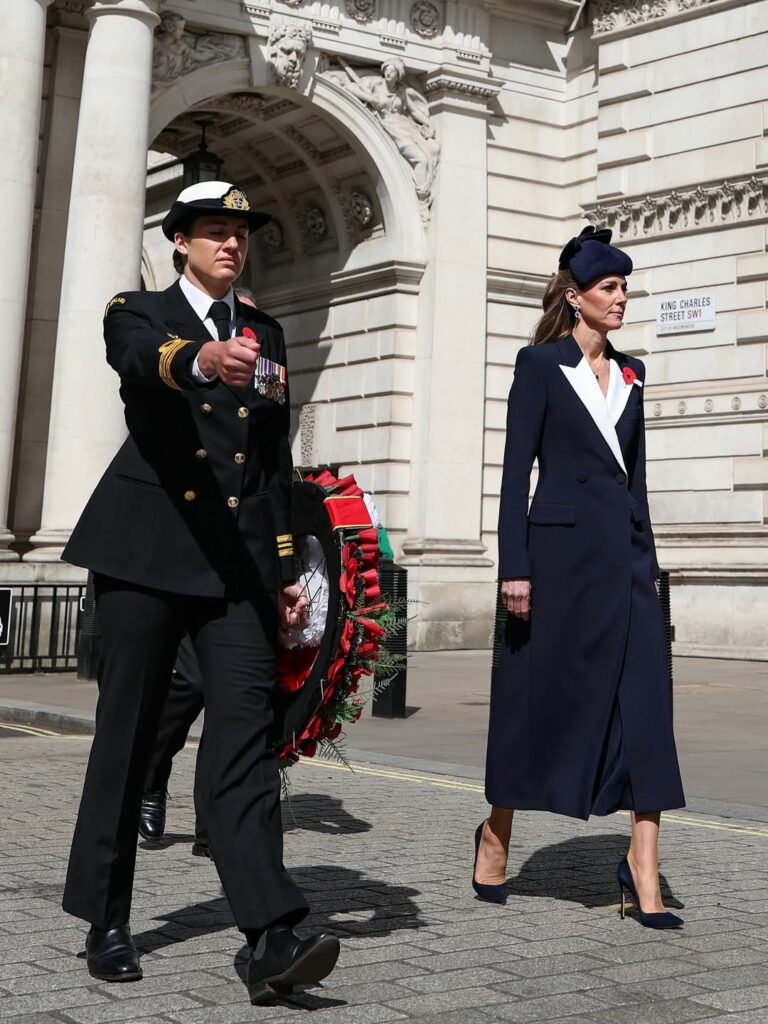
Photo – Instagram
This year, the Princess of Wales undertook a designated role on behalf of Charles III, leading the royal presence at the wreath-laying service. Her participation followed the established order: arrival, wreath placement, silence, and attendance at the Westminster Abbey service. The inscription on the wreath, signed jointly with Prince William, followed standard wording used for remembrance ceremonies.
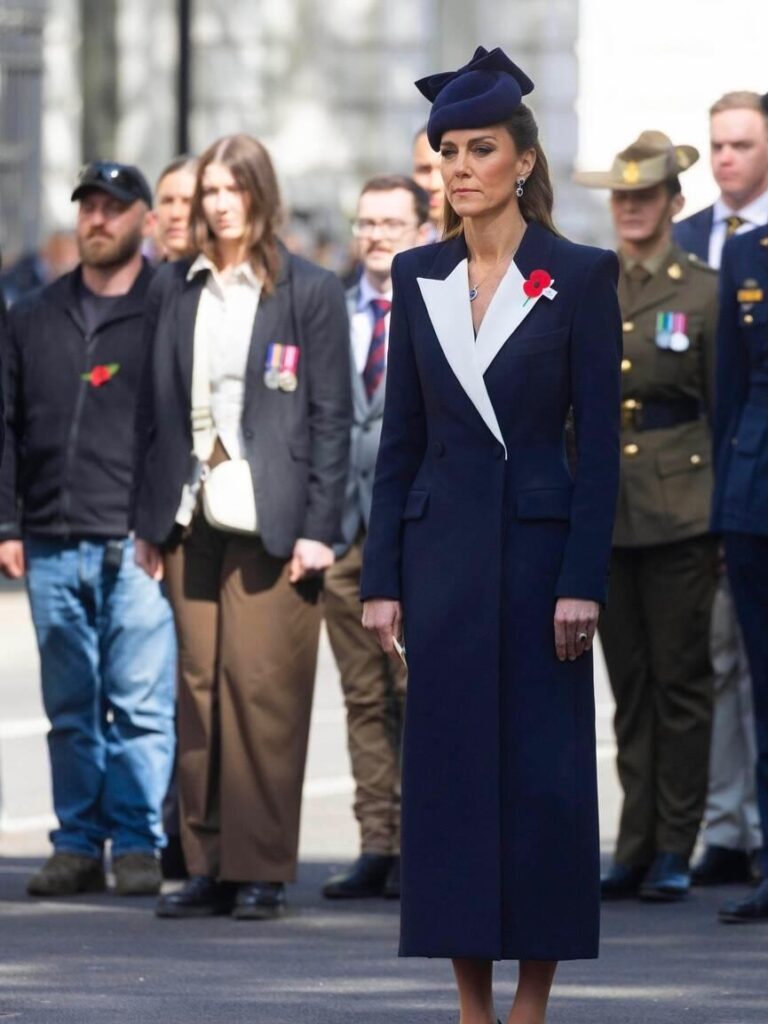
Photo – Instagram
She wore a navy coat dress with a single red poppy, consistent with the conventions of remembrance attire typically observed at such events.
At the Cenotaph, wreaths are laid in sequence, followed by the sounding of the Last Post and a period of silence. Military personnel, officials and representatives of the diplomatic community were present, each observing established ceremonial roles. Earlier in the day, Anne, Princess Royal attended the dawn service at Wellington Arch, where members of the public and veterans gathered.
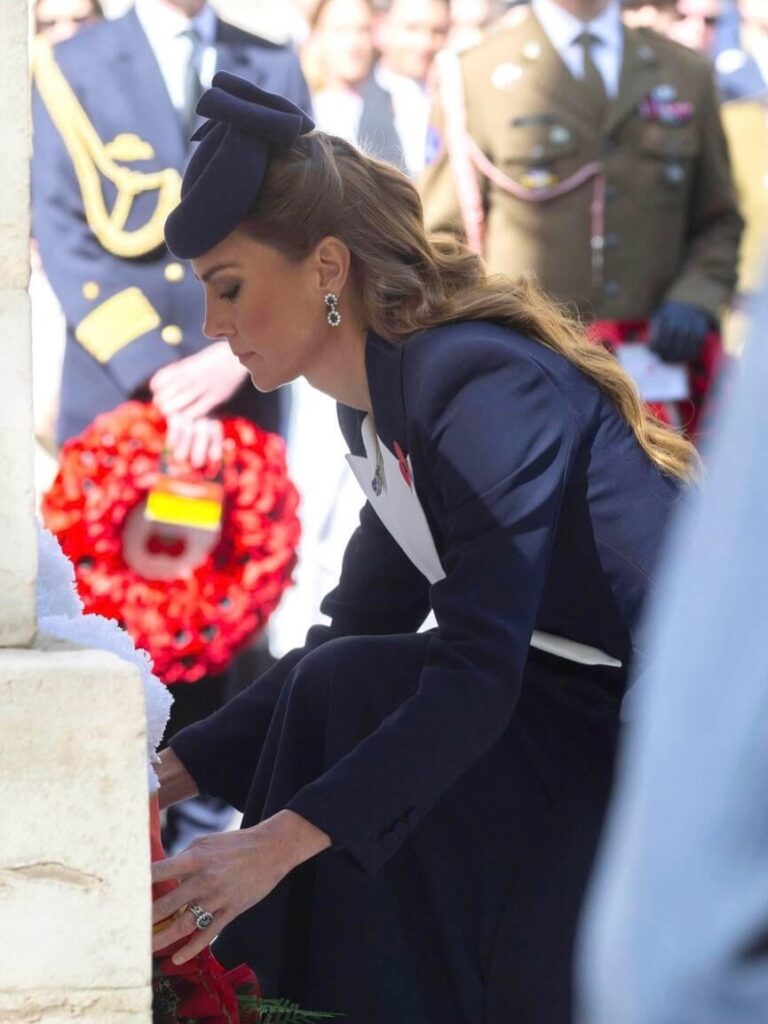
Photo – Instagram
For the Princess of Wales, the engagement marked a return to a formal solo duty following a period of reduced public appearances. The ceremony also included diplomatic and military representatives from Australia and New Zealand, reflecting the continued recognition of shared military history.
The ceremony follows the same format each year, maintaining its established structure within the UK’s programme of remembrance events.


Brooklyn Beckham and Nicola Peltz Arrive Paris Fashion Week

Rihanna Celebrates Daughter Rocki’s First Birthday With Never-Before-Seen Photos

Taylor Swift Breaks Record for Most MTV VMA Wins


-
 Netflix4 months ago
Netflix’s “The Four Seasons” Original Series Back for Season 2
-

 Fashion4 months ago
Romeo Beckham Teases New Apparel Brand
-
 Entertainment5 months ago
Who Is Noah Price? Meet Venezuela Fury’s Young Boxer Husband
-
 Trending5 months ago
Princess Eugenie Is Expecting Third Child With Husband Jack Brooksbank
-

 Movies4 months ago
Zendaya and Tom Holland Share Intimate Moment at First Red Carpet Appearance
-

 Celebrity News4 months ago
The Beckhams Enjoy Yacht Day in Ibiza
-

 Celebrity Style4 months ago
Kylie Jenner Steps Out in a Skin-Tight Dress
-

 Beauty4 months ago
Sunscreens Worth Wearing Right Now
You must be logged in to post a comment Login