
Health
Does Stress Cause High Cortisol Levels? Understanding What Happens in Your Body

Stress can affect nearly every system in the body, from sleep and digestion to heart health and immunity. One of the first biological responses to stress is the release of cortisol, a hormone that helps the body respond to physical and emotional challenges.
Although cortisol is often described as harmful, that is only part of the picture. It is essential for normal body function. Problems are more likely to develop when stress becomes frequent or prolonged, making it harder for the body’s natural hormone cycle to return to its usual pattern.
What Is Cortisol?

Photo: Pinterest
Cortisol is the body’s primary stress hormone. It is produced by the adrenal glands, located above the kidneys, and released when the brain detects a stressful situation.
Its role extends beyond responding to stress. Cortisol helps regulate blood sugar, blood pressure, metabolism, inflammation, immune function and the sleep-wake cycle. It also ensures the body has enough energy to deal with demanding situations.
Under normal circumstances, cortisol follows a daily rhythm. Levels are highest shortly after waking, helping you feel alert, before gradually falling throughout the day and reaching their lowest point at night.
How Does Stress Affect Cortisol?

Photo: Pinterest
Events such as an argument, a demanding work presentation or suddenly braking to avoid a road accident activate the hypothalamic-pituitary-adrenal (HPA) axis.
This signalling system instructs the adrenal glands to release cortisol alongside other stress hormones, including adrenaline.
In the short term, this response is beneficial. It increases available energy, sharpens concentration and prepares the body to react quickly. Once the situation has passed, cortisol usually returns to its normal pattern.
When stress continues for weeks or months, the body repeatedly activates its stress response. Ongoing work pressure, financial worries, relationship difficulties or chronic illness can disrupt normal cortisol regulation. Some people continue producing higher than normal levels, while others develop an altered daily cortisol pattern instead of consistently elevated levels.
Experts now recognise that cortisol cannot simply be described as “high” or “low” in everyone experiencing chronic stress. The effects vary from one person to another.
Signs Stress May Be Affecting Your Cortisol

Photo: Pinterest
High cortisol cannot be diagnosed from symptoms alone, but prolonged stress may contribute to:
- Difficulty falling asleep or staying asleep
- Feeling tired despite getting enough rest
- Increased anxiety or irritability
- Cravings for sugary or high-fat foods
- Weight gain, particularly around the abdomen
- Difficulty concentrating
- Frequent headaches
- Raised blood pressure
- Becoming ill more often
These symptoms can have many different causes, so medical assessment is important if they continue.
When Cortisol Becomes a Medical Concern

Photo: Pinterest
Temporary increases in cortisol are completely normal.
Persistently high cortisol caused by an underlying medical condition is far less common. One example is Cushing syndrome, which develops when the body produces too much cortisol over a prolonged period or after long-term use of high-dose corticosteroid medication.
People with Cushing syndrome may develop a rounded face, thinning skin, easy bruising, muscle weakness and noticeable weight gain around the abdomen and upper back.
Doctors diagnose the condition using specialised laboratory tests rather than symptoms alone.
Can You Lower Cortisol Naturally?

Photo: Pinterest
Cortisol is essential for normal body function. The aim is to support a healthy stress response instead of allowing the body to remain in a prolonged state of stress.
The following habits support healthy cortisol regulation.
Prioritise good-quality sleep. Most adults benefit from seven to nine hours of sleep each night. Keeping a consistent bedtime helps maintain the body’s natural cortisol rhythm.
Stay physically active. Regular moderate exercise supports a healthy stress response. Extremely intense training without enough recovery can temporarily increase cortisol.
Manage everyday stress. Deep breathing, mindfulness, meditation, yoga and spending time outdoors may help reduce perceived stress.
Eat balanced meals. A diet rich in vegetables, fruit, whole grains, lean protein and healthy fats supports overall hormone health. Frequently skipping meals or relying heavily on ultra-processed foods may place additional strain on the body.
Maintain strong social connections. Spending time with supportive friends and family has been linked to greater resilience during stressful periods.
Limit caffeine later in the day. Drinking excessive amounts of caffeine, particularly during the afternoon or evening, may interfere with sleep and indirectly affect cortisol regulation.
When Should You See a Doctor?

Photo: Pinterest
If you experience persistent fatigue, unexplained weight changes, ongoing sleep problems or symptoms that interfere with daily life, speak to your GP or another healthcare professional.
They can determine whether stress is the likely cause or whether another condition, such as thyroid disease, depression, a sleep disorder or a hormone imbalance, requires further investigation.
Routine cortisol testing is not usually recommended without a clear medical reason because hormone levels naturally fluctuate throughout the day.
The Link Between Stress and Cortisol

Photo: Pinterest
Stress triggers the release of cortisol, and that is exactly how the hormone is designed to work. Short-term increases help the body deal with immediate challenges and are a normal part of healthy physiology.
Long-term stress is different. When the body’s stress response remains active for extended periods, cortisol regulation can become disrupted, increasing the likelihood of sleep problems, weight gain, raised blood pressure and other health concerns.
Maintaining healthy cortisol regulation depends largely on reducing long-term stress, following healthy lifestyle habits and seeking medical advice when symptoms persist or an underlying condition is suspected.










Health
4 Drinks That May Be More Hydrating Than Water

Water is the obvious choice when you are thirsty, but it is not always the drink that leads to the greatest short-term fluid retention.
A 2016 study published in the American Journal of Clinical Nutrition compared 13 drinks in 72 healthy men, using still water as the reference. The researchers found that full-fat milk, skimmed milk and an oral rehydration solution produced greater short-term fluid retention than water. Orange juice initially recorded a higher hydration index too, but that difference disappeared after the researchers accounted for the different water content of the drinks.
That does not make water a poor choice. The study measured short-term fluid retention under controlled conditions, rather than determining which drink is best for everyday hydration. Water remains a practical option because it provides fluid without added sugar, fat or calories.
However, what you need from a drink can change depending on the situation. After heavy exercise, for example, replacing electrolytes and carbohydrates may be useful alongside replacing fluids.
Milk

Credit: Pinterest
Milk contains a high proportion of water, as well as lactose, protein, fat and electrolytes such as sodium and potassium. These components can slow gastric emptying and contribute to greater short-term fluid retention.
Both skimmed and full-fat milk produced greater short-term fluid retention than water in the 2016 study, with skimmed milk recording the higher Beverage Hydration Index.
Milk can also be useful after exercise because it provides protein and carbohydrates alongside fluid. That makes it different from water, which replaces fluid but does not provide the same combination of nutrients.
Milk is not necessarily the right choice for everyone, particularly those with a dairy allergy or lactose intolerance. It also contains calories, so its higher hydration index should not be taken as a reason to replace water with milk throughout the day.
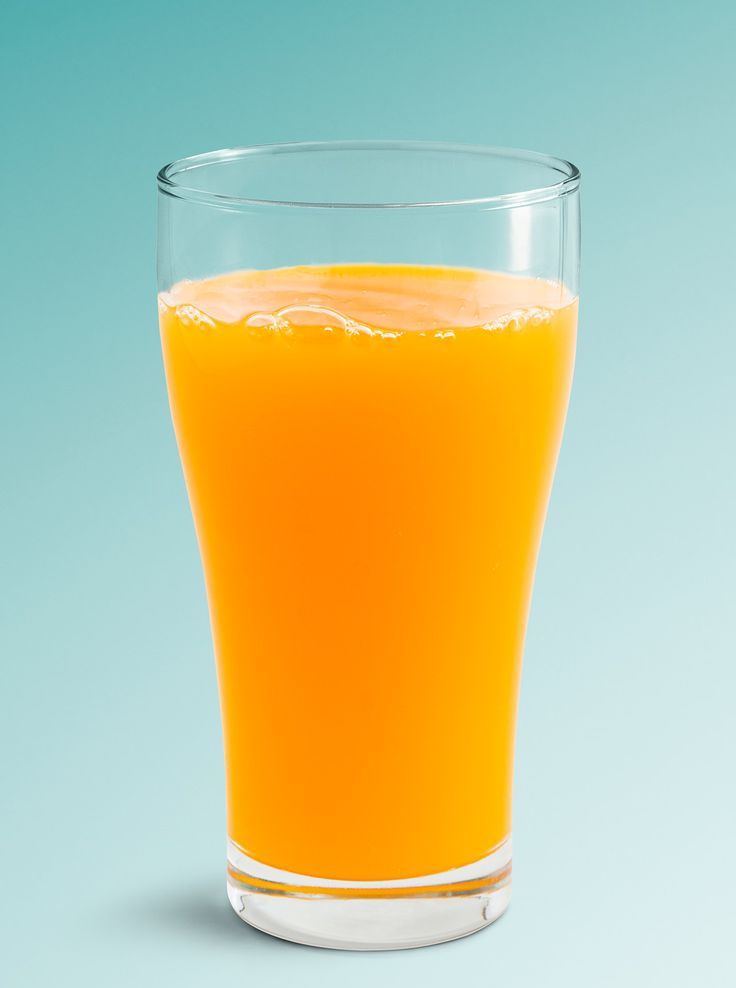
100% Orange Juice
Credit: Pinterest
Orange juice requires a little more qualification. In the initial analysis of the 2016 study, orange juice produced greater short-term fluid retention than water. However, after the researchers adjusted for the different water content of the drinks, the difference was no longer significant.
That means orange juice should not be presented as definitively more hydrating than water based on this study alone.
It can still contribute to fluid intake while providing carbohydrates and potassium. If you choose it, 100% orange juice is preferable to a juice drink with added sugars and other ingredients. It is also more calorie-dense than water, so it works better as part of a balanced diet than as your main source of fluids.
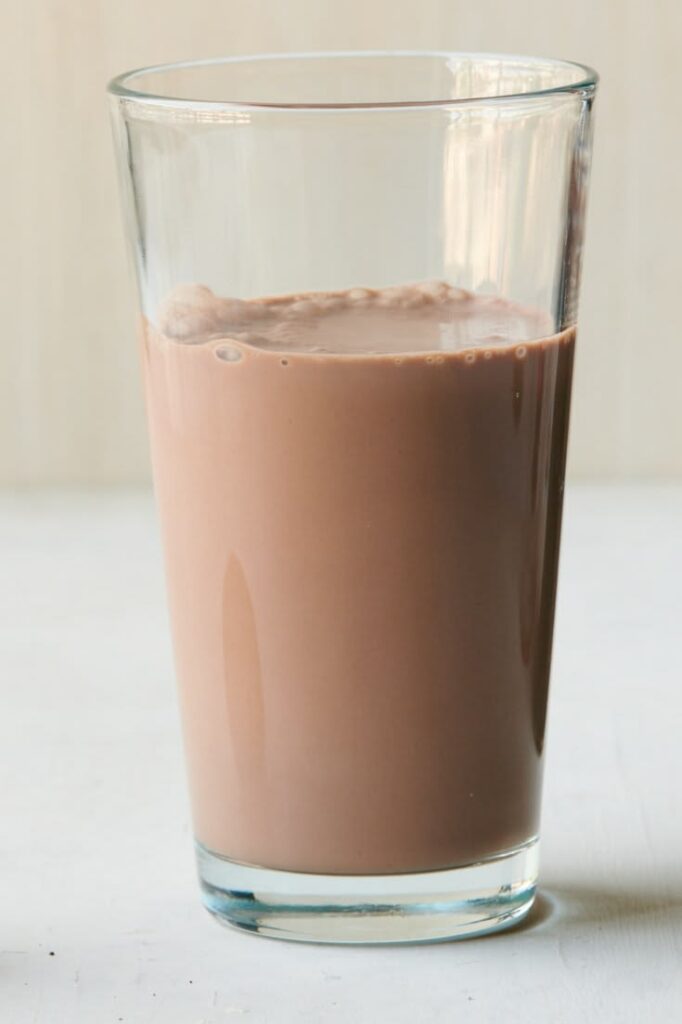
Chocolate Milk
Credit: Pinterest
The case for chocolate milk is different from the evidence for plain milk. Chocolate milk was not one of the beverages tested in the 2016 Beverage Hydration Index study. Its place in the conversation comes mainly from research into exercise recovery.
Chocolate milk provides fluid, carbohydrates and protein, which can make it useful after a demanding workout when the body needs both fluids and nutrients. The carbohydrates can help replenish energy stores, while the protein contributes to muscle recovery.
That does not mean chocolate milk has been established as more hydrating than water in every situation. It also contains added sugar and calories, making it less suitable than water for routine hydration.
For someone finishing a long or intense training session, however, it can serve as both a recovery drink and a source of fluid.
Electrolyte Drinks

Credit: Pinterest
Electrolyte drinks can be useful when you have lost substantial amounts of fluid through sweating. They provide water alongside electrolytes, particularly sodium, which helps regulate fluid balance.
There is an important distinction between a sports drink and an oral rehydration solution. The latter has a specific balance of glucose and electrolytes designed to support fluid absorption and replace losses. An oral rehydration solution was one of the drinks tested in the 2016 hydration study and produced greater short-term fluid retention than water.
Sports drinks are formulated differently and are generally aimed at people exercising for longer periods. They can provide carbohydrates and electrolytes, but they are not necessary for every workout.
For everyday activities and shorter periods of exercise, water is generally sufficient. After prolonged exercise or heavy sweating, an appropriate electrolyte drink may be more useful, particularly when replacing sodium is important.
Water Still Has a Place

Credit: Pinterest
The research does not mean that water has been dethroned as the best everyday drink. It simply shows that the body’s fluid balance can be affected by what else a drink contains.
Milk can provide fluid with protein and electrolytes. Orange juice provides fluid alongside carbohydrates and potassium, although the evidence does not establish it as more hydrating than water. Chocolate milk can be useful after strenuous exercise because it combines fluid with nutrients needed for recovery. Oral rehydration solutions have a more specific role when substantial fluid and electrolyte losses need to be replaced.
For ordinary thirst, water remains hard to beat. When you have been sweating heavily, exercising for an extended period or dealing with significant fluid loss, the drink you choose can serve a more specific purpose.
The key is to match the drink to the situation, rather than assuming that a higher hydration score automatically makes a beverage healthier or better than water.
Health
Does Talking to Yourself Help Your Mental Health or Is It Something to Worry About?

For many people, talking to yourself is a habit they try to hide. It happens while searching for lost keys, preparing for an important meeting, cooking dinner or working through a difficult decision. Because films and television often portray it as a sign of mental illness, many people assume it must be a warning sign.
Psychologists say that assumption is usually wrong.
Research over the past decade has shown that self-talk is a normal part of human thinking. Whether it happens internally or out loud, it can help organise thoughts, improve focus, regulate emotions and strengthen problem-solving skills. The important question is not whether you talk to yourself, but how and why you do it.
Your Brain Often Needs an External Conversation

Photo: Pinterest
Many people notice they think more clearly once they say something aloud. That is because speaking slows your thoughts and helps your brain organise information into clear sentences.
If you have ever said, “Let’s do this one step at a time,” while assembling furniture or working through a difficult task, you have used self-talk as a mental tool. Researchers say talking yourself through a task helps people stay focused and reduces the chance of becoming distracted, especially during complex activities.
Children naturally do this while learning new skills. Many adults continue the habit without noticing.
It Can Reduce Stress in Difficult Moments

Photo: Pinterest
Talking yourself through stressful situations can have a calming effect.
Athletes regularly use motivational phrases before competitions. Students encourage themselves before exams. Professionals quietly rehearse presentations before walking into a meeting.
Instead of allowing anxious thoughts to dominate your thinking, self-talk can give you a clearer sense of what to do next. Mental health experts say supportive self-talk can reduce anxiety, improve confidence and help people stay emotionally balanced during stressful situations.
The Words You Choose Matter

Photo: Pinterest
Not all self-talk is helpful.
Many people become their own harshest critic, repeating phrases such as “I always fail,” “I’m useless,” or “Nothing ever goes right.”
Over time, that negative inner dialogue can affect confidence, increase stress and contribute to anxiety or depression. Experts recommend replacing harsh statements with realistic ones instead of relying on empty positive affirmations.
For example, changing “I’m terrible at this” to “I’m still learning and improving” gives yourself a more balanced perspective without ignoring reality.
Speaking to Yourself in the Third Person May Help

Photo: Pinterest
Research suggests that using your own name instead of “I” may help regulate emotions.
Instead of saying, “I can’t handle this,” someone might say, “Sarah, you’ve dealt with difficult situations before.”
This can help you step back from the situation and think more logically instead of reacting emotionally. Researchers describe it as a way of viewing a situation more objectively.
When Should Self-Talk Become a Concern?

Photo: Pinterest
Talking to yourself alone is rarely a sign of a mental health disorder.
Mental health professionals may become concerned when self-talk is accompanied by symptoms such as hearing voices that others cannot hear, believing things that are clearly disconnected from reality, severe confusion or behaviour that interferes with daily life.
In those situations, the concern is not speaking aloud itself but the underlying symptoms that require professional assessment.
Making Self-Talk Work for You

Photo: Pinterest
If you want to use self-talk more effectively, keep it practical.
Give yourself simple instructions during difficult tasks. Challenge overly critical thoughts instead of accepting them as facts. If you notice your inner voice becoming consistently negative, pause and ask whether those thoughts are fair and supported by the evidence.
Small changes in your daily inner dialogue can influence how you respond to stress, setbacks and challenges.
What It Means

Photo: Pinterest
Talking to yourself is far more common than most people realise. In many cases, it is a healthy mental habit that helps organise thoughts, improve concentration and manage emotions.
What matters most is whether those conversations help you think more clearly, stay calmer and make better decisions, or leave you feeling more anxious and self-critical. The quality of your self-talk is often more important than the habit itself.
Health
Cycling vs Walking With a Weighted Vest: Which Workout Is Better for Weight Loss?

Looking for a workout that can help you lose weight? Cycling and walking with a weighted vest are both effective options, but they deliver results in different ways. The right choice depends on your fitness level, your goals and the type of exercise you’re most likely to keep doing regularly.
Both activities raise your heart rate and burn calories, but they challenge the body differently. Cycling makes it easier to maintain a higher intensity for longer, while adding a weighted vest increases the effort required during a walk by introducing extra resistance.

Photo: Pinterest
Cycling generally burns more calories in the same amount of time. Riding at a moderate to vigorous pace allows you to maintain a higher workload, and you can increase the challenge by adjusting resistance, tackling hills or adding interval sessions. Research published by Women’s Health found that cycling is often the more efficient choice for people whose primary goal is weight loss.
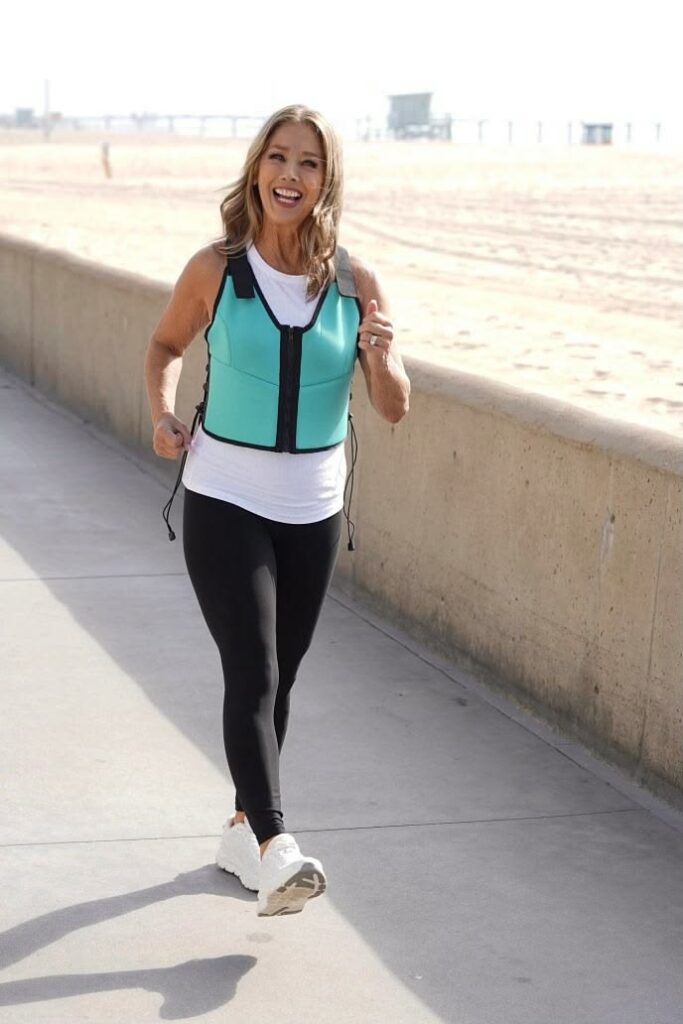
Photo: Pinterest
Adding a weighted vest increases the physical demands of walking. The extra load requires your muscles to generate more force with every step, which increases calorie burn compared with walking without added weight. The American College of Sports Medicine reports that wearing a vest weighing about 15% of your body weight can increase energy expenditure during walking by around 12%, while combining a lighter vest with incline walking may boost it further.
That does not necessarily make a weighted vest the better option for weight loss. Although it increases calorie burn, the difference is usually smaller than what many people can achieve during a challenging cycling session. If you can comfortably cycle for 45 minutes or longer at a steady pace, you are likely to burn more calories than you would during a weighted walk.

Photo: Pinterest
Joint impact is another important difference. Cycling is a low-impact activity because the bike supports your body weight, making it a suitable option for people with knee or hip discomfort. Walking with a weighted vest remains lower impact than running, but the added load places extra stress on the joints and lower back. Experts recommend starting with a vest weighing around 5% of your body weight before gradually increasing the weight and duration of your walks.

Photo: Pinterest
One advantage of a weighted vest is that it encourages greater muscle engagement. Your core, back and leg muscles work to stabilise your body throughout the walk, adding a resistance element to an activity many people already do regularly. It is not a substitute for strength training, but it can make everyday walks more challenging.
People who have tested weighted vests for their daily walks often report that the added resistance improves endurance and makes regular walks more physically demanding. Many also found that starting with too much weight reduced comfort, reinforcing expert advice to increase the load gradually.
Which Is Better for Weight Loss?

Photo: Pinterest
If your priority is burning the most calories in the least amount of time, cycling has the advantage. If you already enjoy walking and want to increase the challenge without taking up a new activity, a weighted vest can be an effective addition to your routine.
A practical approach is to use both. Cycling works well for higher-intensity cardio sessions, while weighted walks can add variety on lighter training days or when you want to stay active without spending long periods exercising. The best workout is the one that fits comfortably into your routine and helps you maintain a consistent calorie deficit over time.


Justin Bieber and Harry Styles Reportedly Considered for 2027 Super Bowl Halftime Show

Lewis Hamilton and Kim Kardashian Spotted Together Taking a Boat Ride
Big Brother 2026: Meet the New Housemates


-

 Reality TV5 months ago
Khloé Kardashian Announces New Spin-Off Show She Says Will Be “Wild and Absolutely Unhinged”, Centred on Her Friendship Group
-

 Royals5 months ago
Princess of Wales Attends Anzac Day Commemoration at the Cenotaph
-

 Netflix4 months ago
Netflix’s “The Four Seasons” Original Series Back for Season 2
-

 LifeStyle5 months ago
The Emotional Exhaustion Behind “I’m Fine”
-

 Fashion4 months ago
Romeo Beckham Teases New Apparel Brand
-

 Trending5 months ago
Princess Eugenie Is Expecting Third Child With Husband Jack Brooksbank
-

 Entertainment4 months ago
Who Is Noah Price? Meet Venezuela Fury’s Young Boxer Husband
-

 Celebrity News4 months ago
The Beckhams Enjoy Yacht Day in Ibiza
You must be logged in to post a comment Login