
Fashion
The Colours Taking Over Runways this Autumn
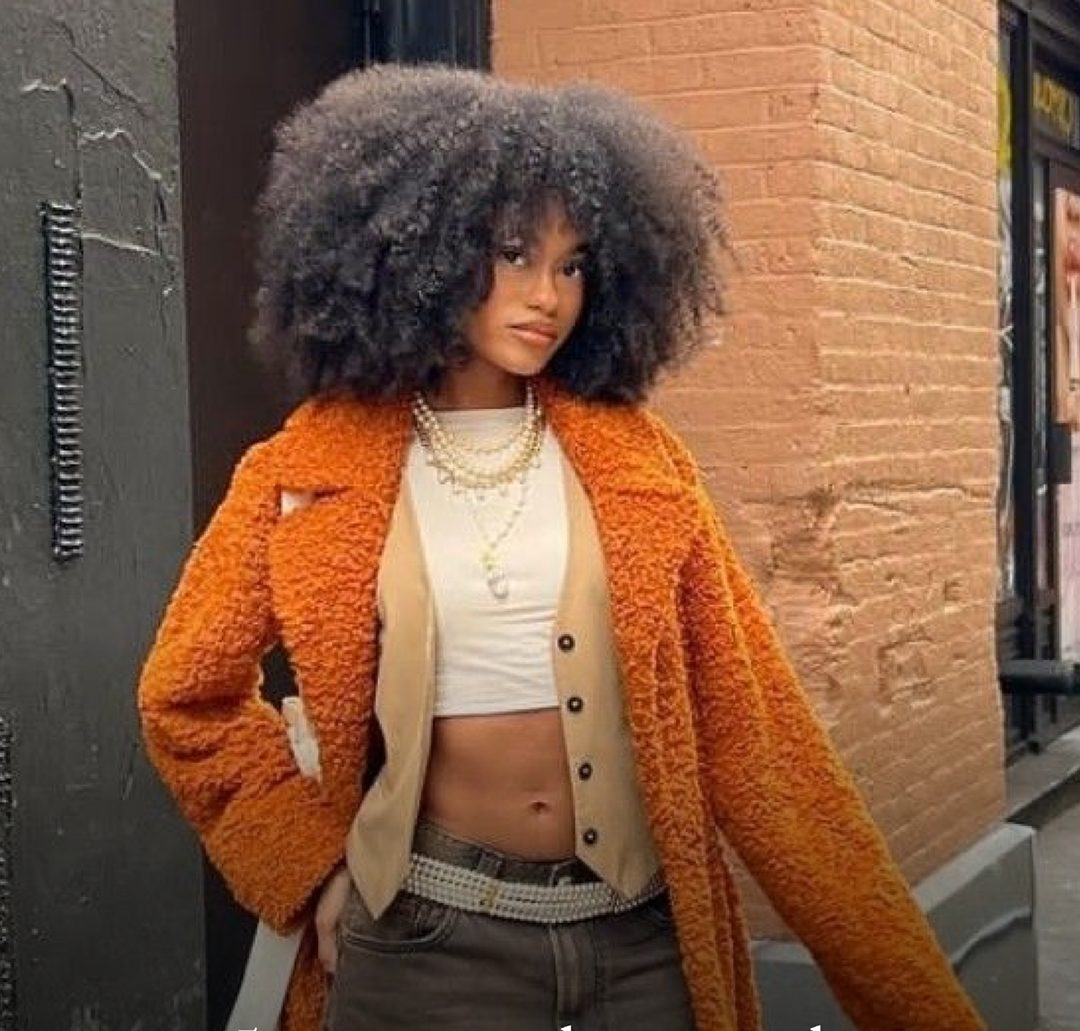
Autumn’s runways revealed a stronger focus on colour this year. Designers from Paris, Milan, London and New York leaned into vivid tones that moved away from the traditional reliance on muted neutrals. Instead of the usual browns and greys, collections showcased richer shades that dominated the conversation.
Orange appeared prominently across collections. Designers presented textured outerwear in shades close to burnt pumpkin. Oversized coats and jackets were paired with muted trousers or layered over lighter tops, creating looks that felt striking yet balanced.
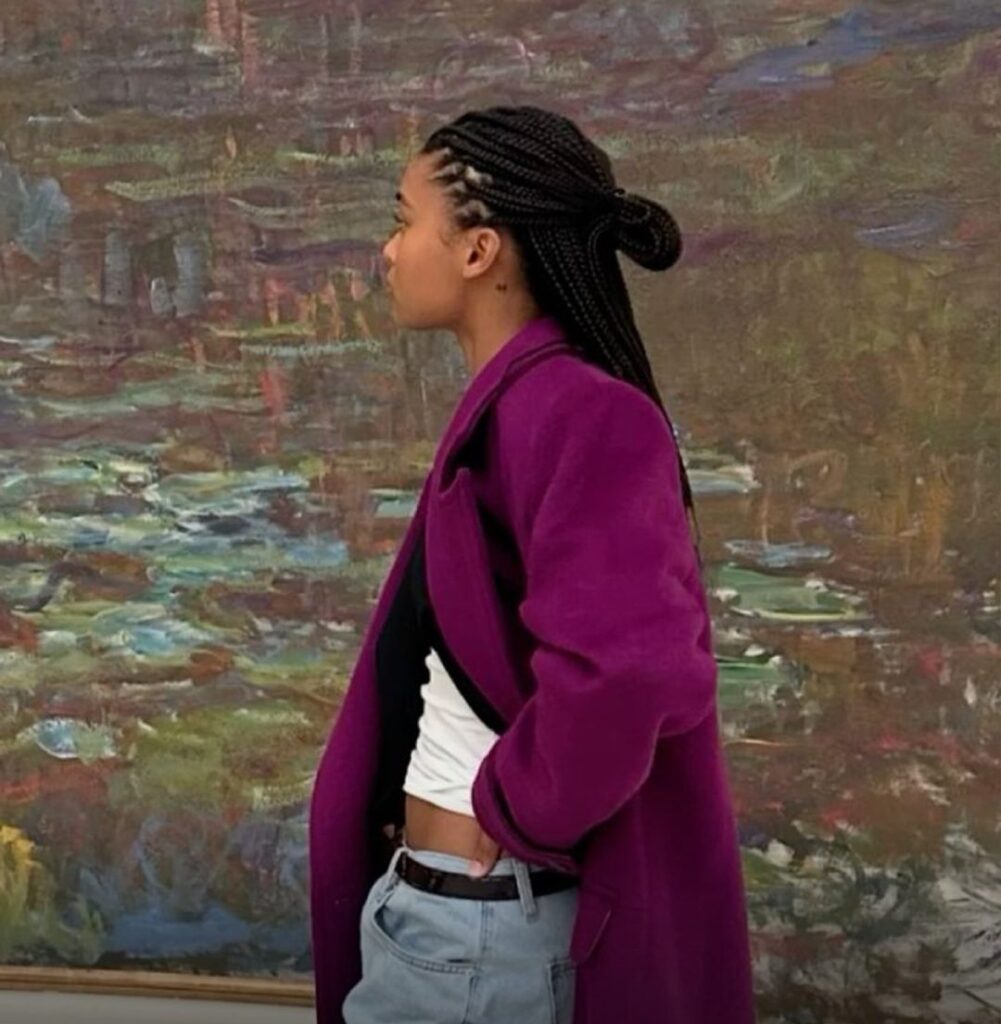
Photo: @Instagram
Purple was one of the key colours. Long coats in saturated plum and accessories in violet appeared across multiple shows, highlighting its relevance beyond evening wear. The shade paired naturally with denim, white shirts and black tailoring, placing it firmly within everyday styling.
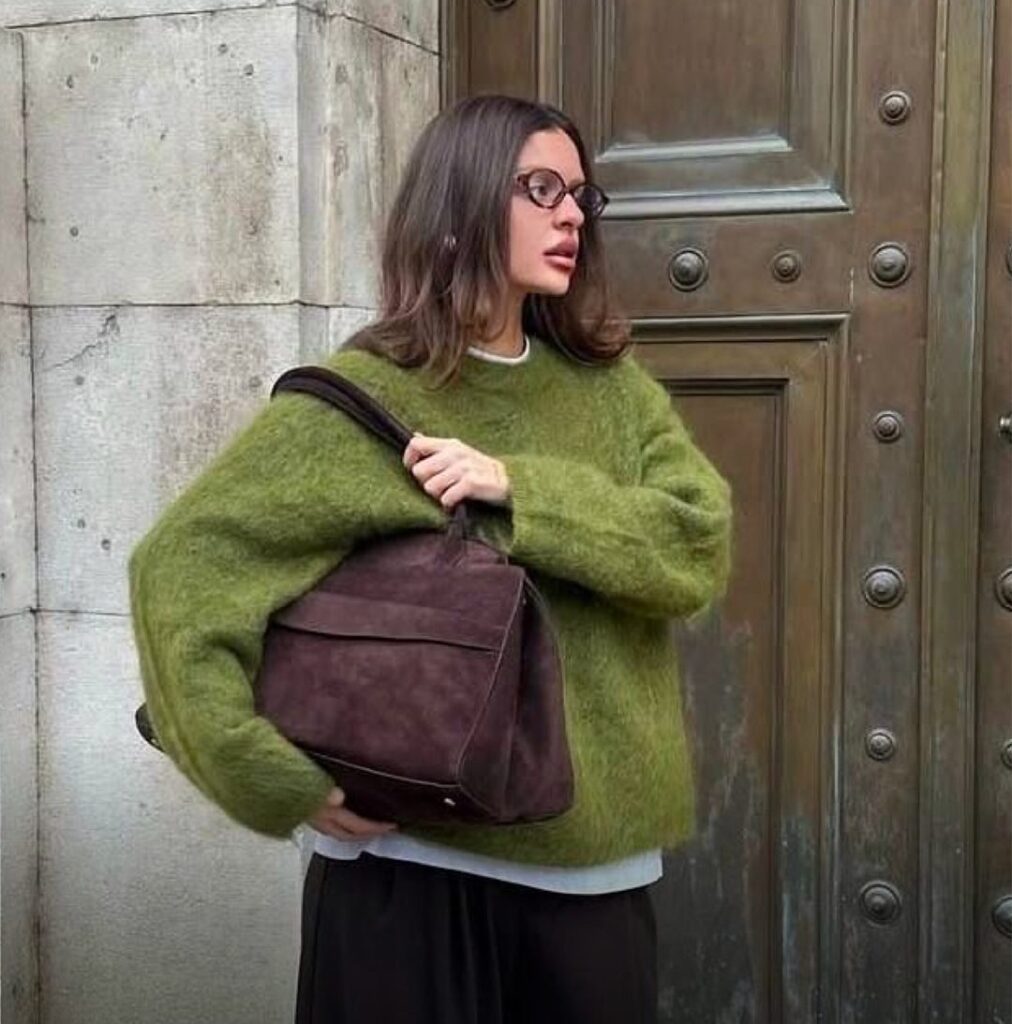
Photo: @Instagram
Green emerged in a fresher variation. Rather than the darker tones often associated with autumn, grass green featured widely in knitwear, oversized jumpers and outerwear. It was often styled with darker trousers and accessories, providing contrast that kept the looks grounded.
The consistent use of bold colours across international shows confirms a unified approach by designers. These shades provide energy at a time of year usually linked with subdued palettes, and their presence on major runways signals their influence will extend into everyday wardrobes.







Fashion
Katie Price and Kelly Osbourne Walk the Runway for Natasha Zinko X OnlyFans
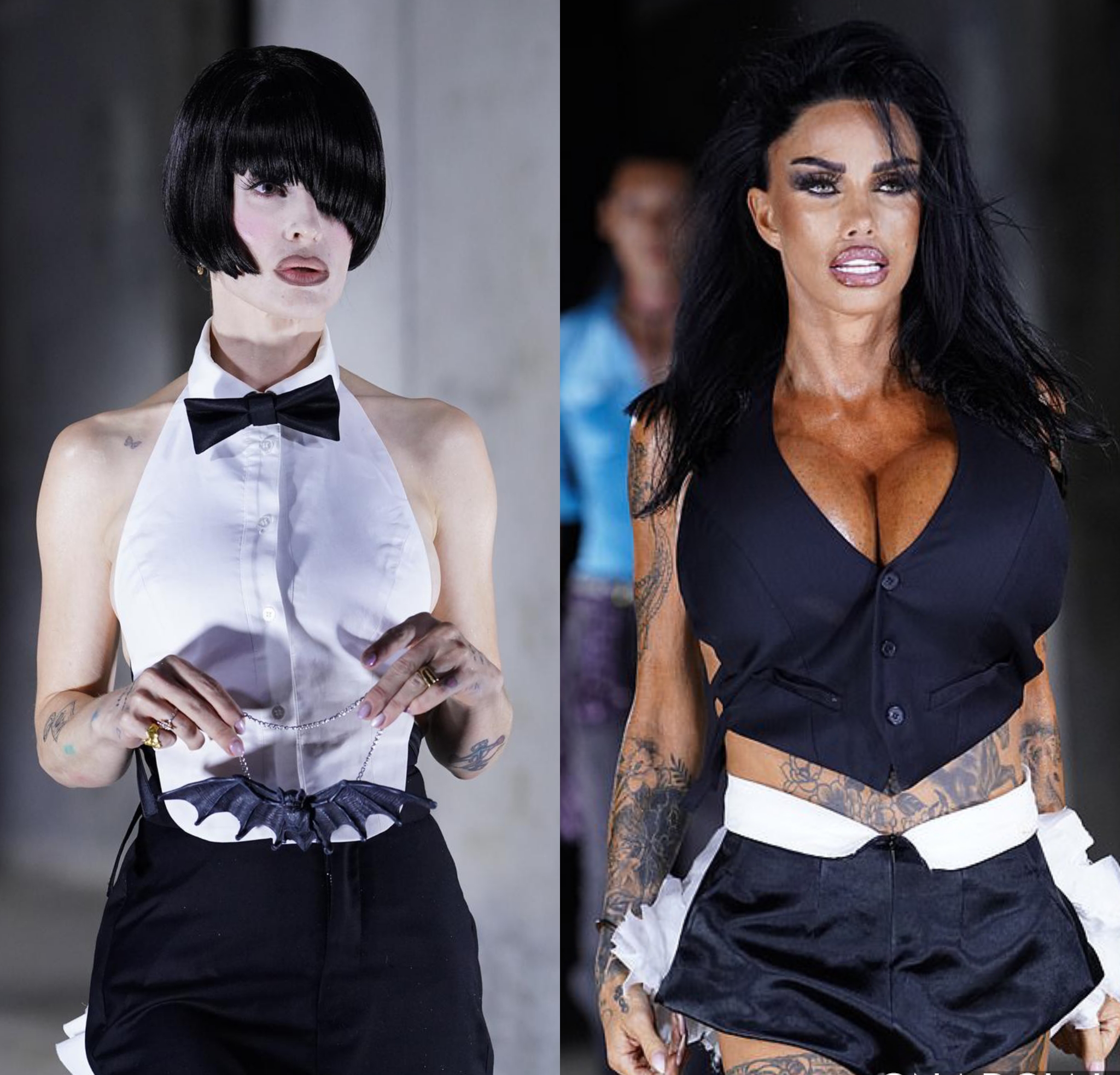
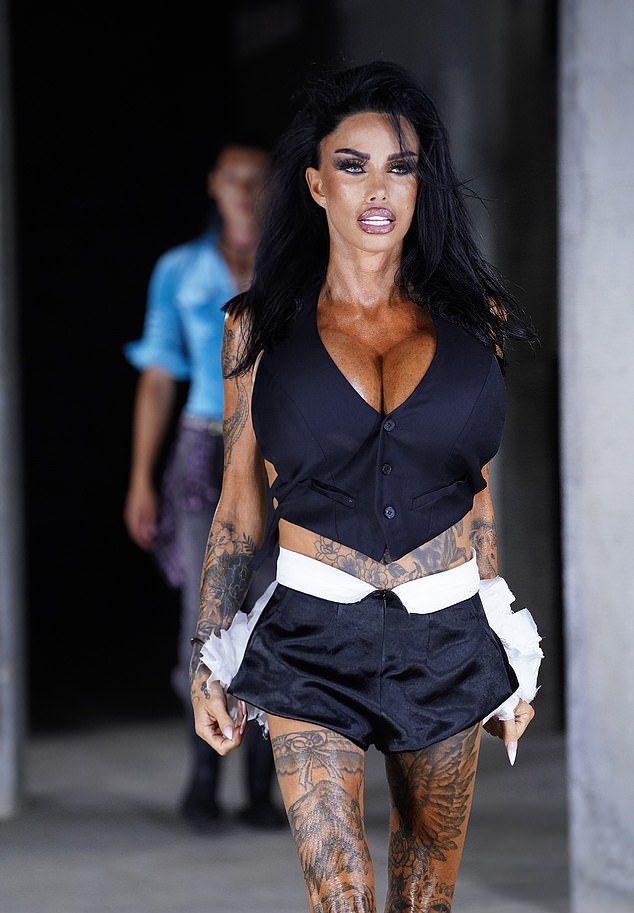
Katie Price returned to the catwalk at London Fashion Week on Friday night, joining Kelly Osbourne and The Sopranos star Drea de Matteo at Natasha Zinko’s OnlyFans collaboration in Islington.
Titled “Pay Per View”, the show took place at Collins Music Hall and took a different approach to the traditional runway format. Instead of models walking along a standard catwalk, performers appeared in individual balconies and viewing boxes positioned around the venue, with the audience watching from below.
Credit: Ian West/PA
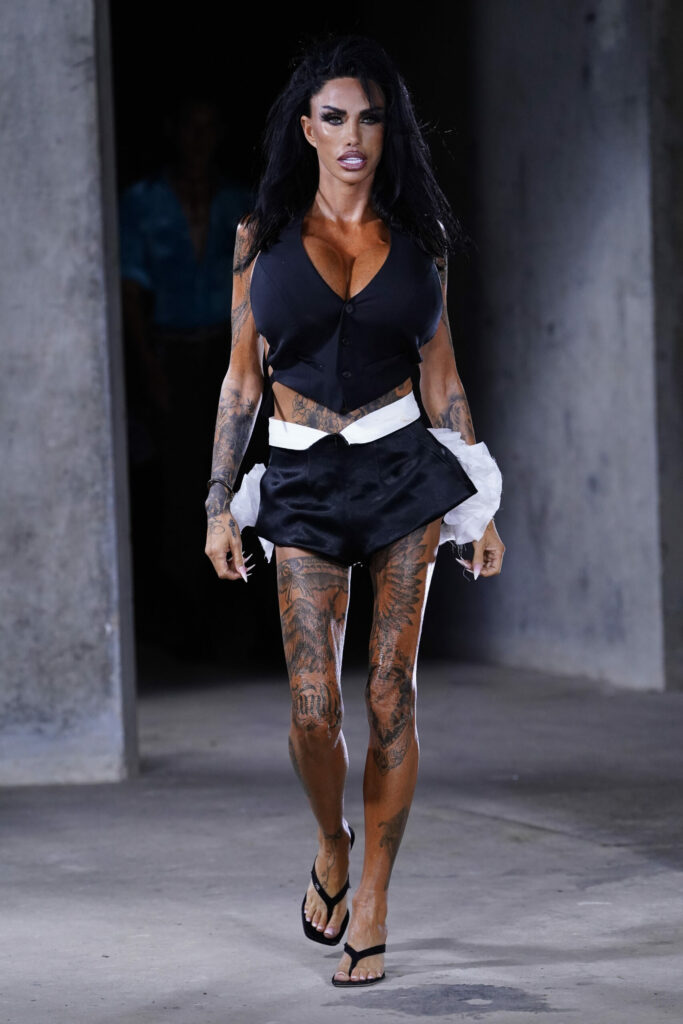
For Price, 48, the appearance marked her first catwalk since 2015. She arrived backstage wearing a baby-blue tracksuit before changing into a black look consisting of a cropped waistcoat and tiny shorts, with white ruffles across the back. She paired the outfit with black heels, while her tattoos were visible as she took part in the presentation.
Before the show, Price spoke about her long association with sex and her belief that women should not be shamed for presenting themselves as sexy.
She also revealed that she liked the outfit chosen for her by Zinko, saying it was something she would buy and wear herself.
Credit: Ian West/PA
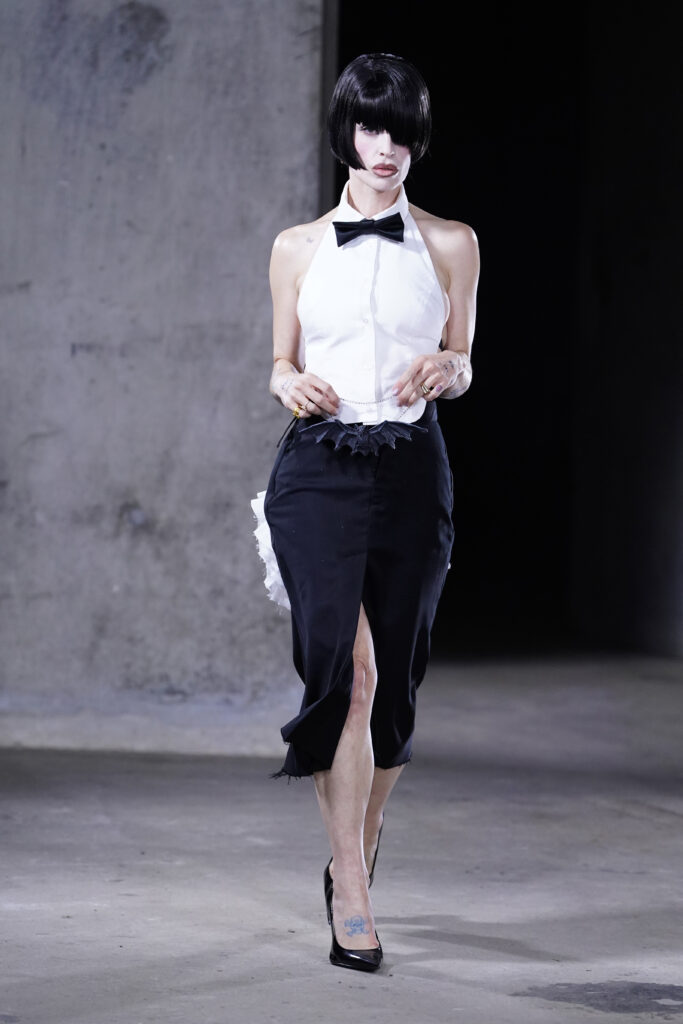
Osbourne, 41, appeared in a black-and-white outfit consisting of a white halter-neck waistcoat, black bow tie and black pencil skirt, worn with black stilettos. Her hair was styled into a black bob with an angular fringe falling across one eye, while her face was painted white.
She also wore a bat-shaped necklace linked to her late father, Black Sabbath frontman Ozzy Osbourne. The accessory referenced the infamous bat incident associated with the rock star during his career.
Credit: Ian West/PA
The concept behind “Pay Per View” drew on the panopticon, a prison design based on the idea of constant observation. The show translated that theme into a fashion presentation built around viewing, with the performers placed in separate boxes for the audience to watch.
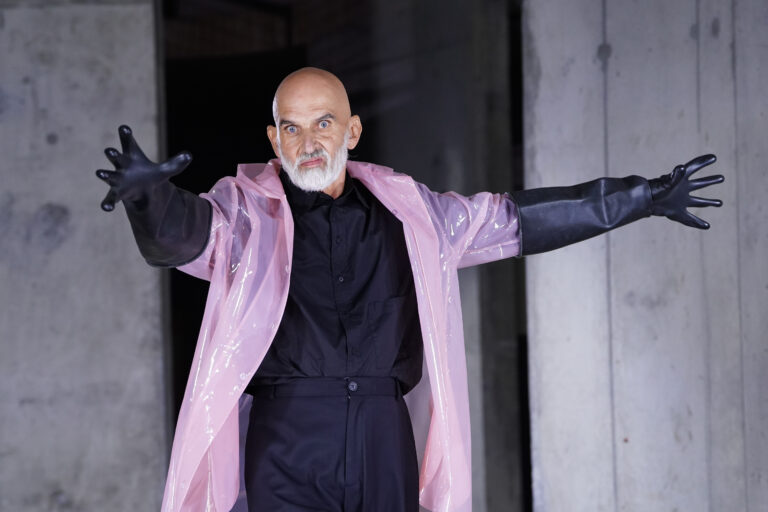
The venue included opera singers, pole dancers, skaters, models and other performers. Some smoked cigarettes, while others kissed or posed inside the viewing areas as the presentation moved between the different sections.
The clothes ranged from lingerie-inspired pieces and tailoring to sportswear, cowboy-inspired designs and office-style separates. Graphic motifs were also incorporated into the collection, alongside pieces from an 18-look OnlyFans capsule collection.
Credit: Ian West/PA
The collaboration marked OnlyFans’ London Fashion Week debut, bringing the platform into the official fashion-week setting through Zinko’s Spring/Summer 2027 presentation.
Price’s return to the catwalk added another high-profile moment to the show, while Osbourne’s appearance brought a familiar face from music and television into Zinko’s unconventional presentation.
With its viewing boxes, live performers and mix of fashion and entertainment, “Pay Per View” presented the audience with something distinctly different from a traditional runway show.
Fashion
Romeo Beckham Teases New Apparel Brand
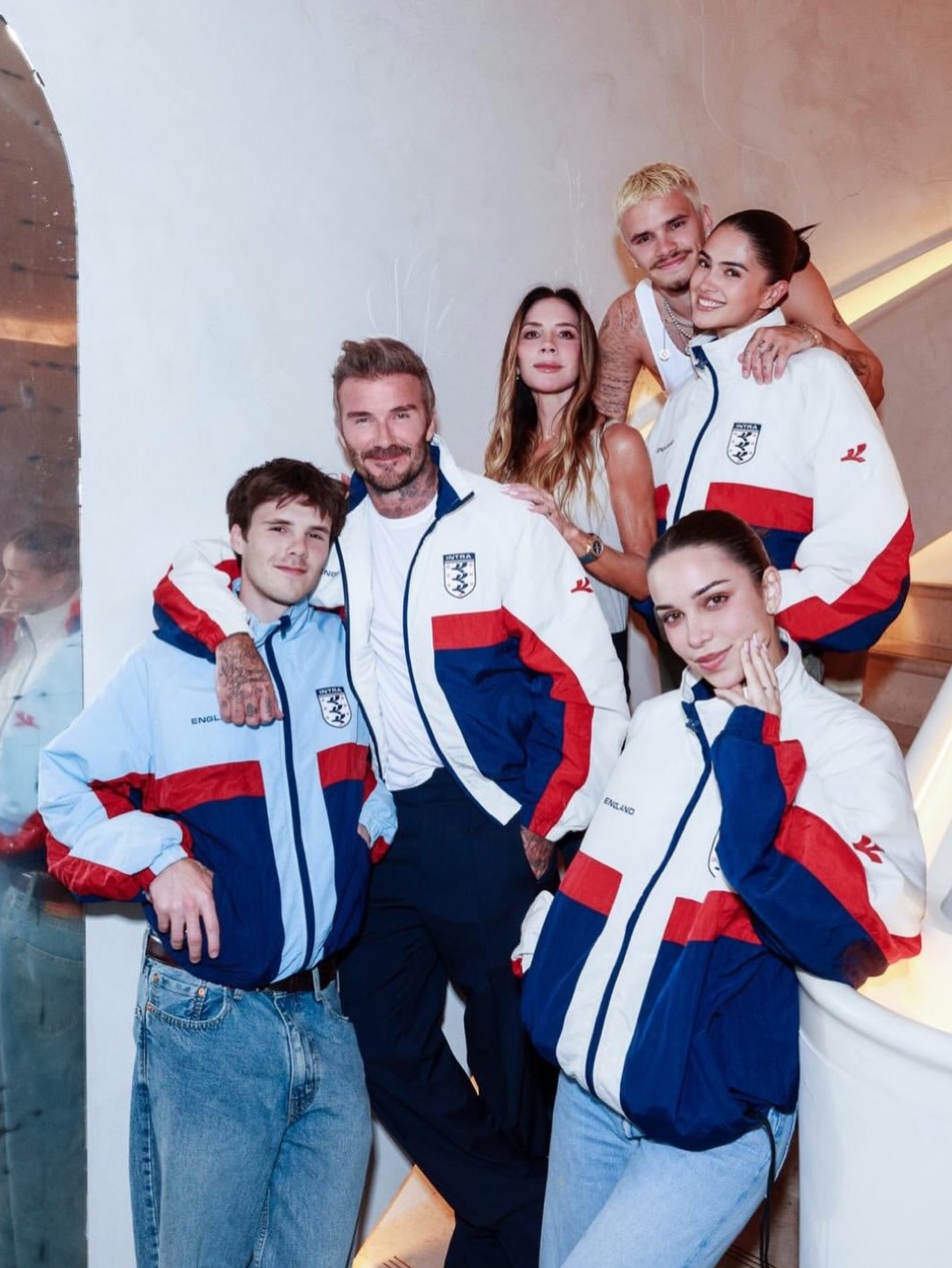
Romeo Beckham is expanding his presence in fashion with the launch of a new apparel brand, marking his latest move beyond modelling.
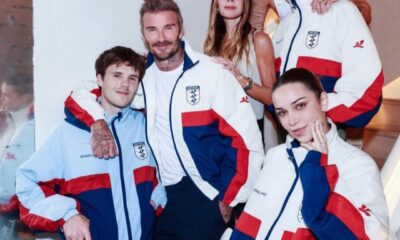
The brand, called Intra, has been introduced through a series of social media posts and promotional events. Early previews suggest the debut collection draws inspiration from football culture, featuring vintage-style sportswear influenced by national teams including England, Brazil and the United States.
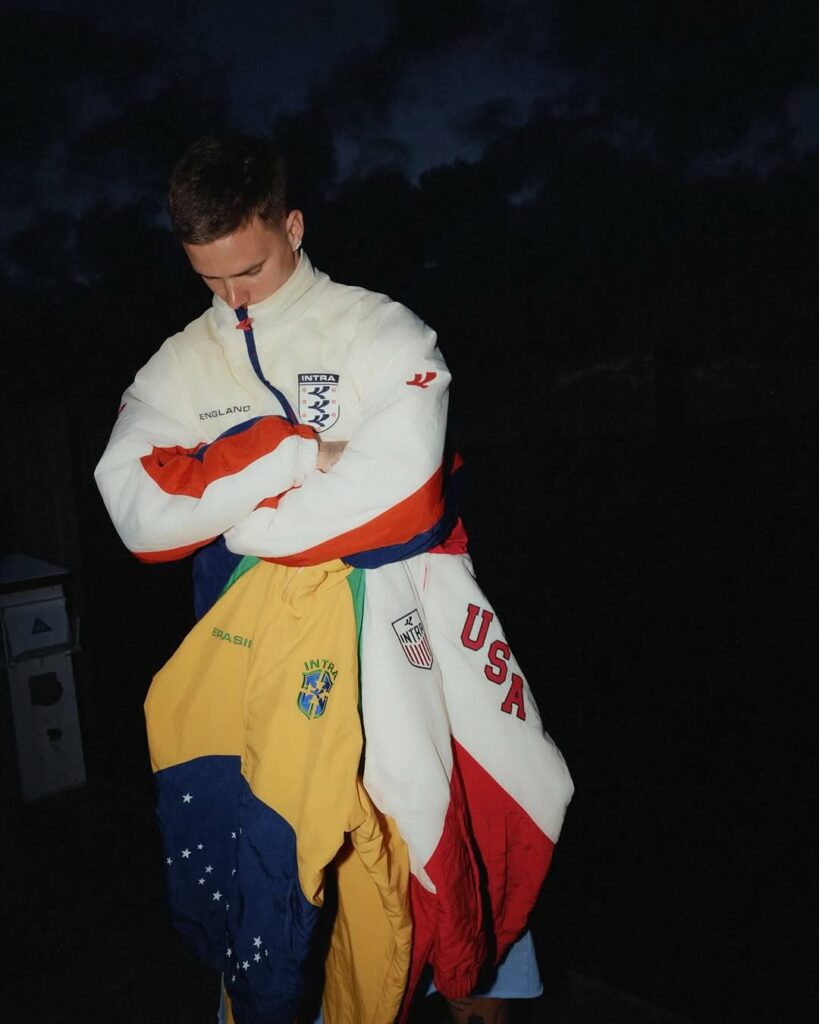
Photo – Instagram
The launch comes as football-inspired fashion continues to gain popularity beyond the sport itself. Vintage jerseys, training jackets and retro athletic styles have become increasingly visible across both luxury fashion and streetwear.
The project combines two areas that have featured prominently in Beckham’s career. After pursuing football in his younger years, he shifted his focus to modelling and has since worked with brands including Burberry, Balenciaga and Versace. He has also made appearances at major fashion events in recent years.
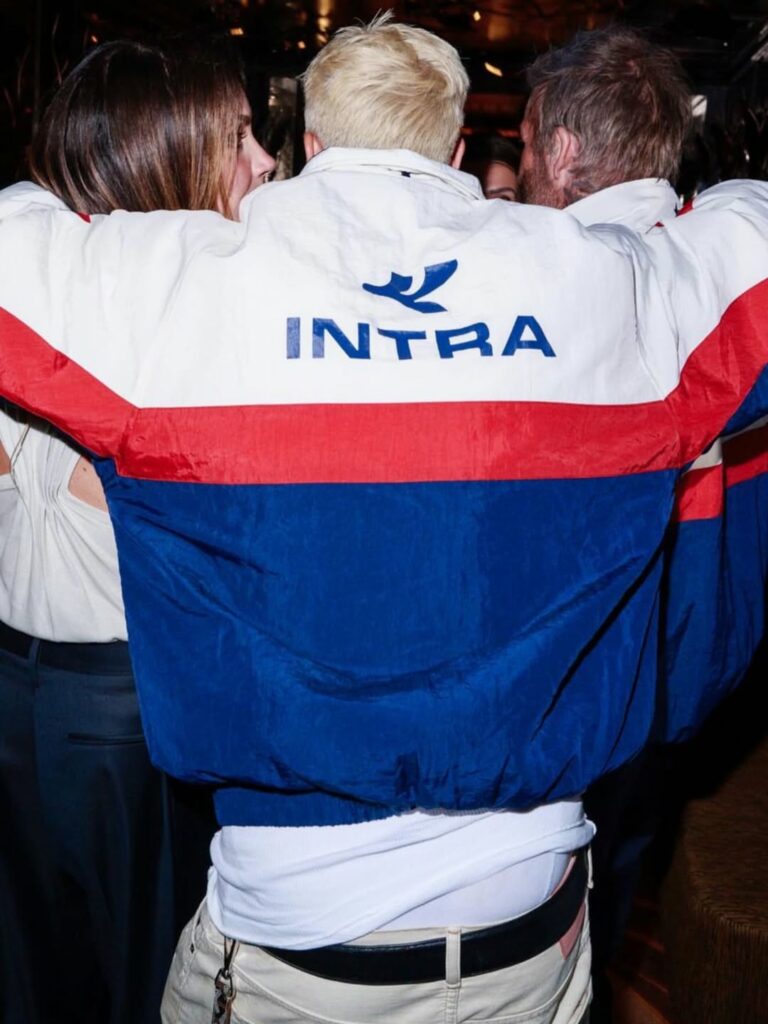
Photo – Instagram
Intra’s rollout has included a surprise promotional event in London’s Soho district, where a limited number of items were distributed to fans. The approach reflects a strategy often used by contemporary streetwear labels, which frequently introduce products through exclusive releases and community-focused events.
Members of the Beckham family have also shown support for the brand by wearing pieces from the collection ahead of its official release, helping to increase visibility around the launch.
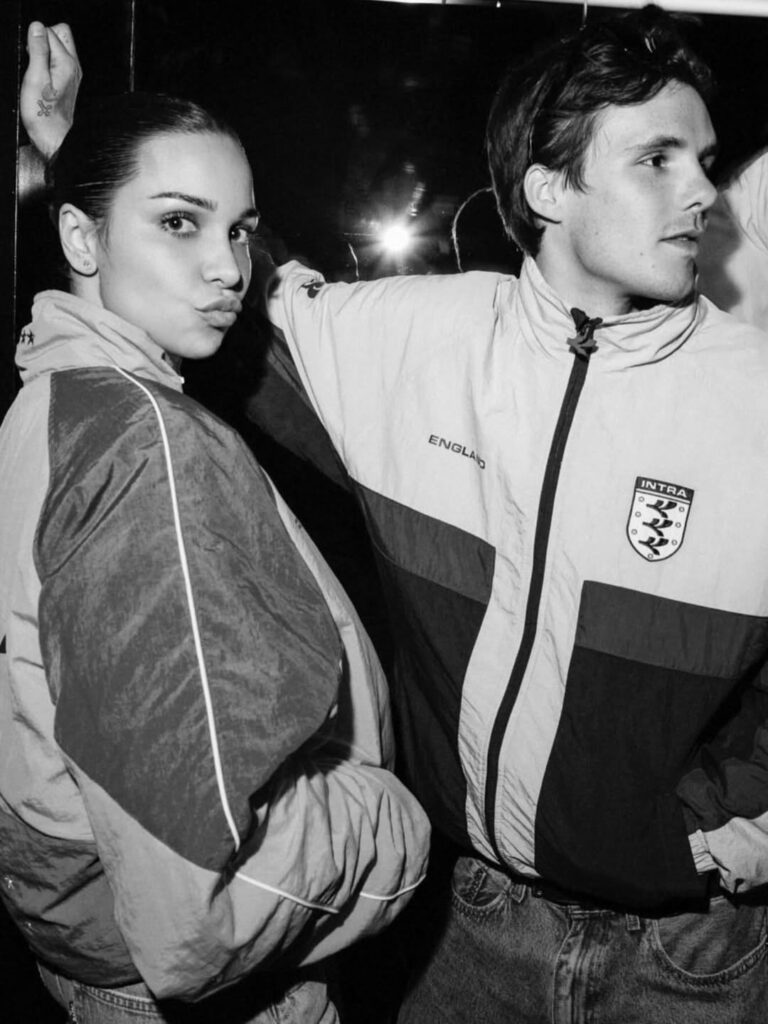
Photo – Instagram
As the collection prepares to reach consumers, attention is likely to focus on the products themselves and how they are received within the sportswear market.
The launch marks Beckham’s first major venture into fashion retail. More details about the collection and its wider availability are expected to be announced in the coming months.
Fashion
Kate Moss & Emily Ratajkowski Are in Their Gucci Bag
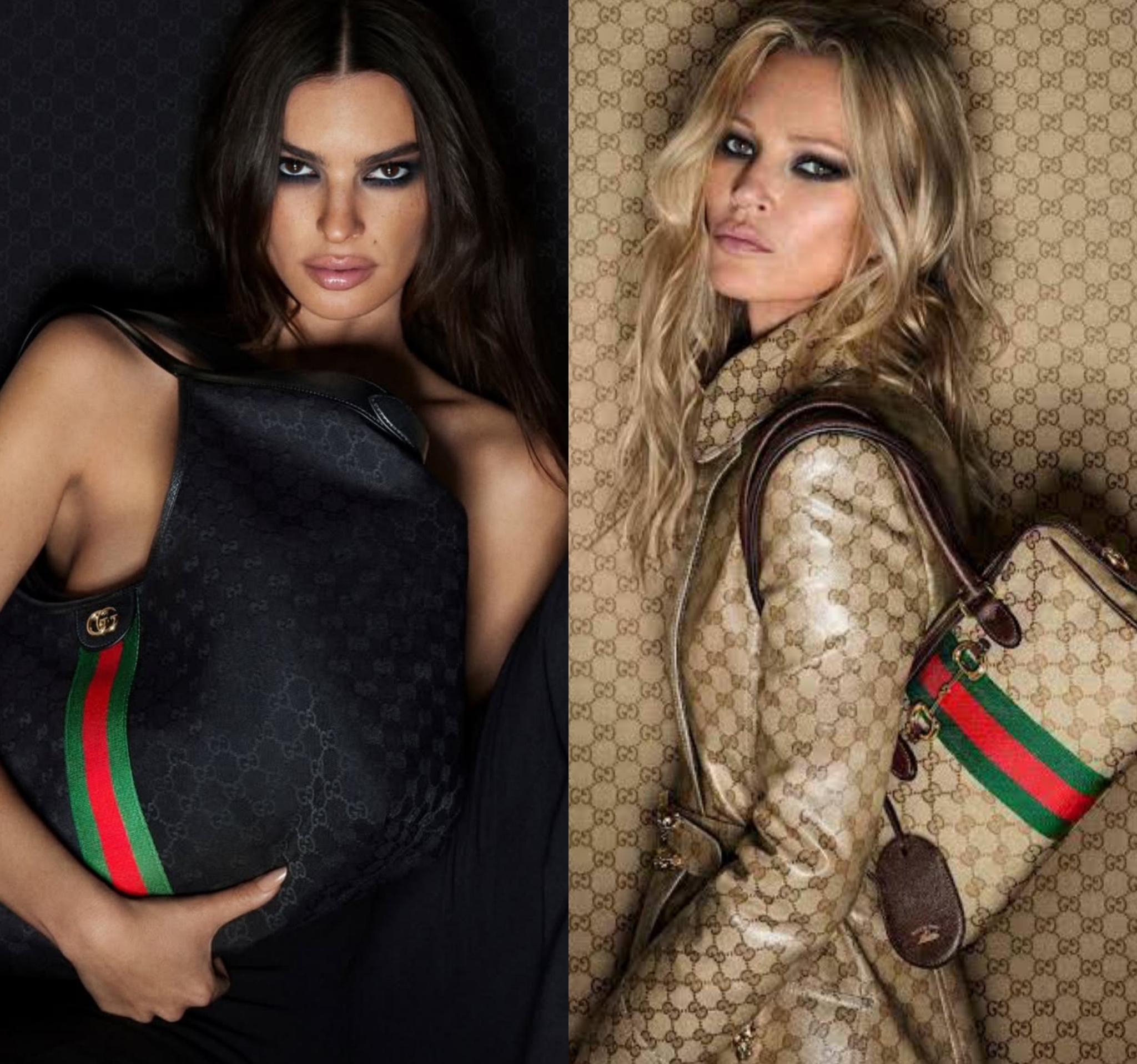
Gucci’s latest campaign focuses on a single message: the bag comes first. Everything else is reduced or removed, keeping attention on the product.
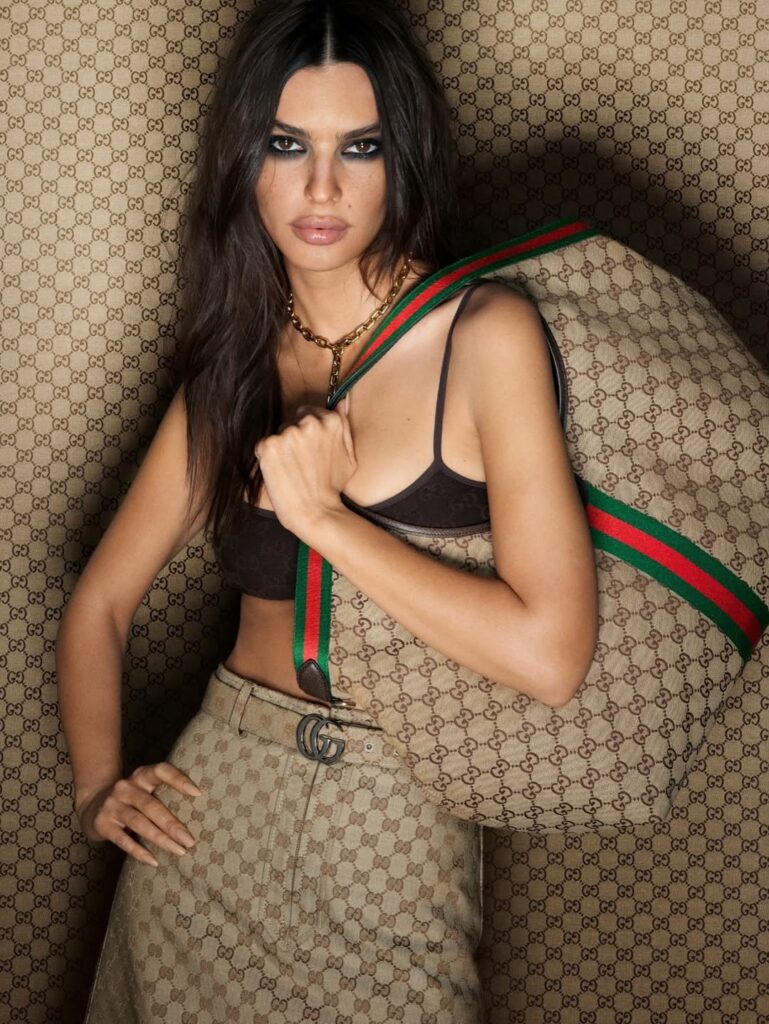
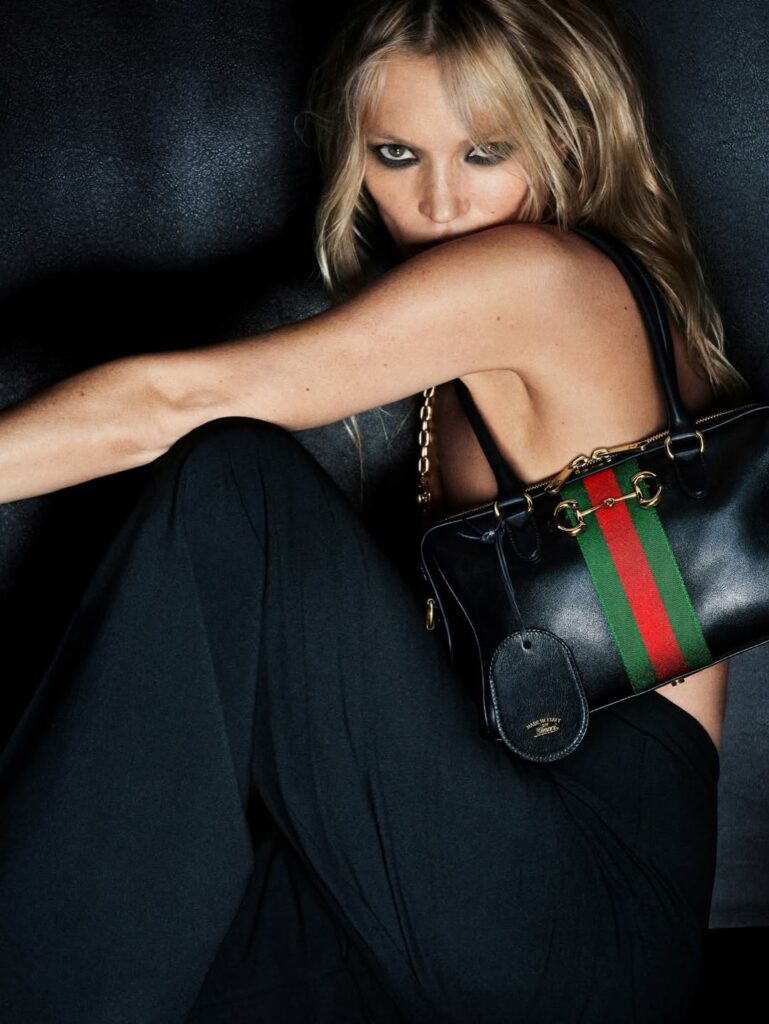
Fronted by Kate Moss and Emily Ratajkowski, the visuals centre on the house’s leather goods, with both women styled to remove distractions. In several images, they appear in lingerie or minimal clothing, holding oversized handbags placed at the centre of each shot. The bag is treated as the main object rather than an accessory, shaping how each image is read.
Emily Ratajkowski – Instagram
Shot by Mert Alas and Marcus Piggott, the campaign keeps its setting simple. There are no detailed backgrounds or layered concepts. The colours are muted, and the composition remains consistent across the series. This repetition keeps the focus on the handbags.
Structured totes and compact top-handle styles appear throughout, presented with minimal styling that highlights texture, hardware and scale. By limiting additional elements, Gucci places emphasis on craftsmanship and recognisable design codes instead of seasonal trends.
Kate Moss – Instagram
The casting is intentional. Moss brings a sense of familiarity, having long been associated with direct, minimal fashion imagery. She appears without heavy styling or added context, which aligns with the campaign’s approach. Ratajkowski, by contrast, reflects a more current media presence. Her visibility is closely tied to self-curation and digital culture, making her a relevant counterpart within the same visual structure.
The campaign also reflects Demna’s direction at Gucci, where attention has shifted towards clearly defined products. The focus on handbags, presented without distraction, points to a strategy that prioritises recognisable, marketable items.
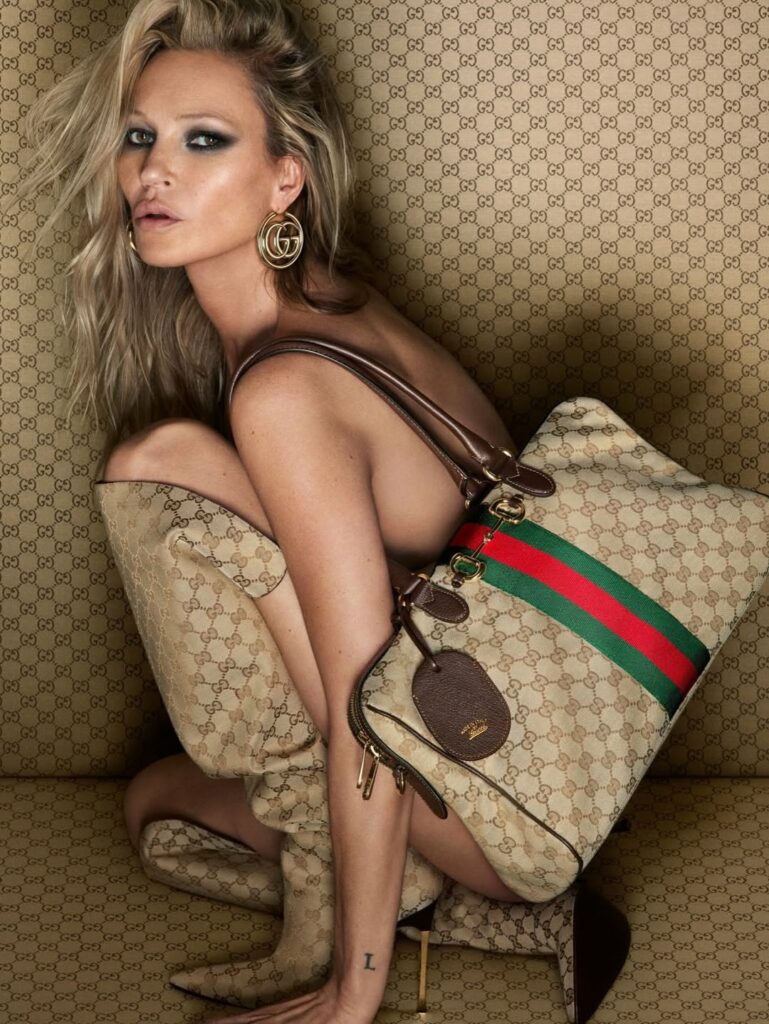
Kate Moss – Instagram
The result is a campaign that avoids overstatement. It does not rely on complex themes or heavy styling. Instead, it presents a controlled set of images built around a single idea, repeated with consistency. For a UK audience familiar with more elaborate fashion narratives, this approach reads as considered and direct.
In practical terms, it reflects how luxury is currently marketed. Individual pieces are given space to carry brand identity on their own. Here, the emphasis is clear: the bag leads, and everything else follows.

Brooklyn Beckham and Nicola Peltz Arrive Paris Fashion Week

Rihanna Celebrates Daughter Rocki’s First Birthday With Never-Before-Seen Photos

Taylor Swift Breaks Record for Most MTV VMA Wins


-
 Netflix4 months ago
Netflix’s “The Four Seasons” Original Series Back for Season 2
-
 Fashion4 months ago
Romeo Beckham Teases New Apparel Brand
-
 Entertainment5 months ago
Who Is Noah Price? Meet Venezuela Fury’s Young Boxer Husband
-
 Trending5 months ago
Princess Eugenie Is Expecting Third Child With Husband Jack Brooksbank
-

 Movies4 months ago
Zendaya and Tom Holland Share Intimate Moment at First Red Carpet Appearance
-
 Celebrity News4 months ago
The Beckhams Enjoy Yacht Day in Ibiza
-
 Celebrity Style4 months ago
Kylie Jenner Steps Out in a Skin-Tight Dress
-
 Beauty4 months ago
Sunscreens Worth Wearing Right Now
You must be logged in to post a comment Login