
Movies
Big Movies and Stars Nominated for the 2026 BAFTAs
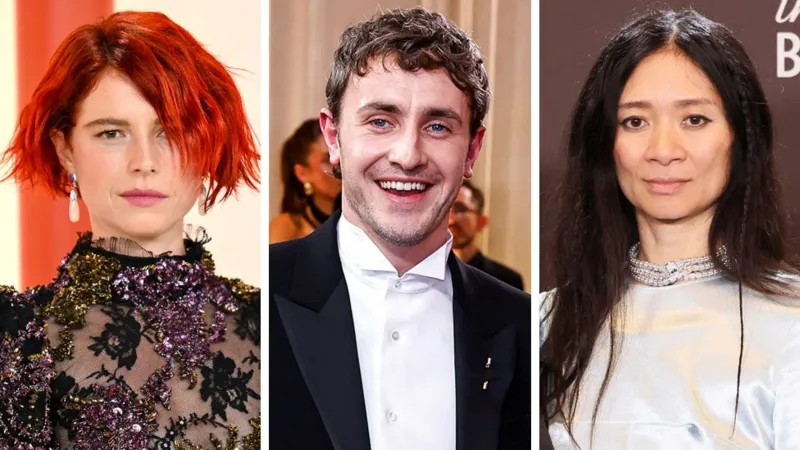
The nominations for the 79th British Academy Film Awards, announced on January 27, 2026, present a picture of a film year shaped less by consensus than by contrast. Political satire, historical horror, literary adaptation and sports drama sit side by side, reflecting a voting body willing to stretch beyond its usual comfort zones without abandoning craft-led evaluation.
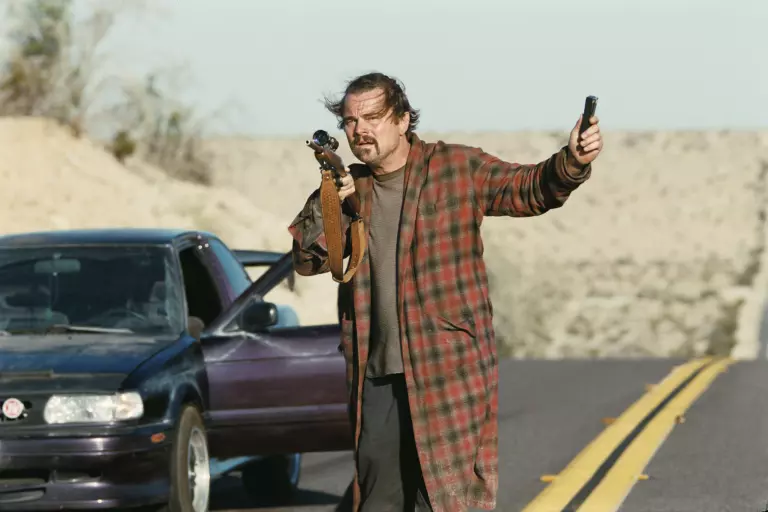
Photo Credit – Google
Paul Thomas Anderson’s One Battle After Another sits at the centre of this year’s race, emerging as the most nominated title. Its dominance spans major categories, from Best Film and Director to a strong showing across acting and technical fields. The film’s dense political framework and controlled chaos appear to have appealed to BAFTA voters who often favour precision over provocation, suggesting that Anderson’s balancing act between scale and discipline has landed as intended.
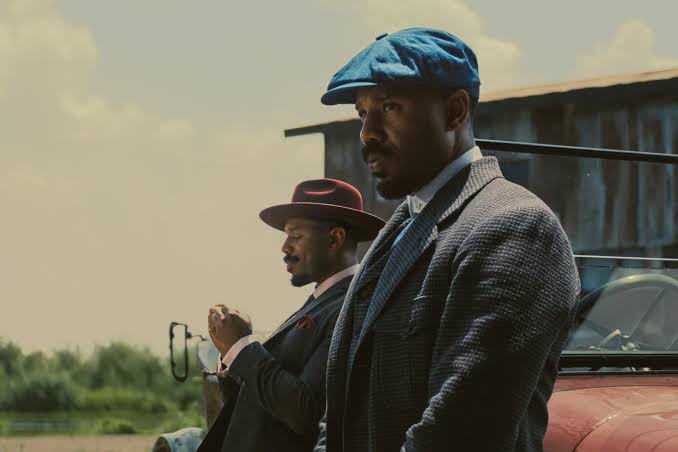
Photo Credit – Google
Ryan Coogler’s Sinners follows closely, a result that stands out not only for the number of nominations but for what the film represents within BAFTA’s history. Set in segregated America and structured as a vampire thriller, the film resists easy classification. Horror has rarely travelled this far in BAFTA’s top categories, making Sinners one of the year’s most significant inclusions. Its recognition across directing, acting and craft points to a broader reassessment of genre cinema rather than a one-off concession.

Photo Credit – Google
Chloé Zhao’s Hamnet has also secured a prominent position among this year’s contenders. Adapted from Maggie O’Farrell’s novel, the film shifts attention away from Shakespeare himself and towards the domestic consequences of loss and authorship. Zhao’s approach favours emotional detail and restraint, and the film’s reception suggests that BAFTA voters responded to its refusal to dramatise history in familiar ways. Its strong showing also places it among the most visible female-directed films of the year.
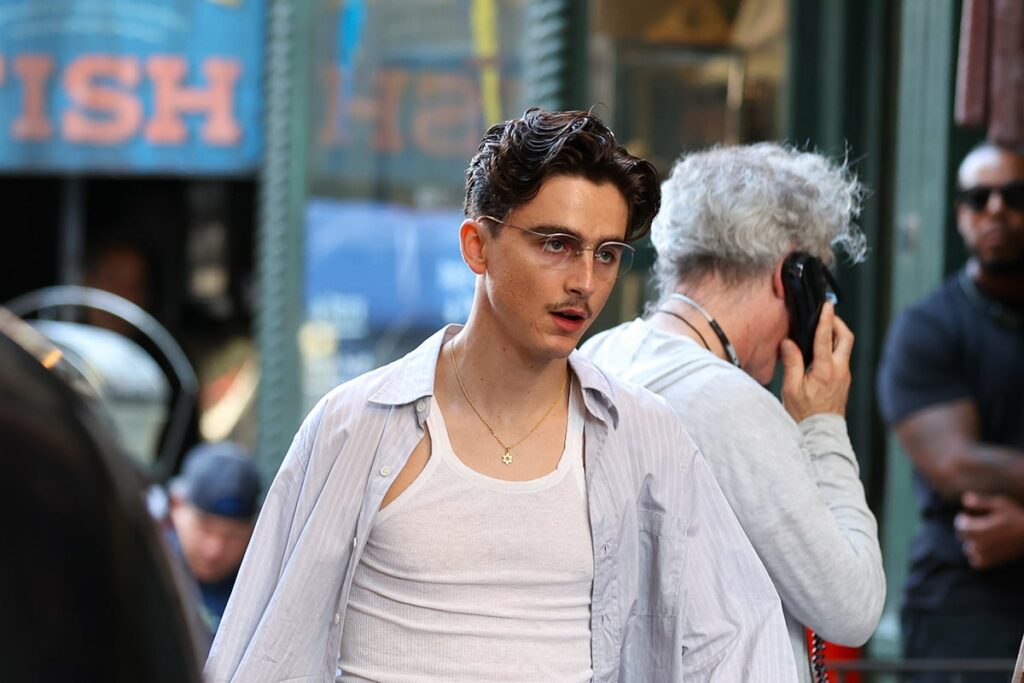
Photo Credit – Google
Marty Supreme, a sports drama led by Timothée Chalamet, has matched Hamnet in overall recognition. The film’s recognition stems more from the precision of its performances and the cohesion of its narrative than from flashy effects or forced dramatics. Sports narratives have traditionally struggled to gain traction in major UK awards spaces, particularly outside technical categories, making this acknowledgment notable.
The acting nominations reflect a broad spectrum of screen work rather than a narrow definition of prestige. Leonardo DiCaprio’s performance in One Battle After Another extends his long-running presence in awards conversations, while Chalamet’s inclusion reinforces his position as one of the most consistently recognised actors of his generation. Michael B. Jordan’s nomination for Sinners carries particular weight given the film’s genre framing, while Ethan Hawke and Jesse Plemons round out a category that spans independent filmmaking and studio-backed production.
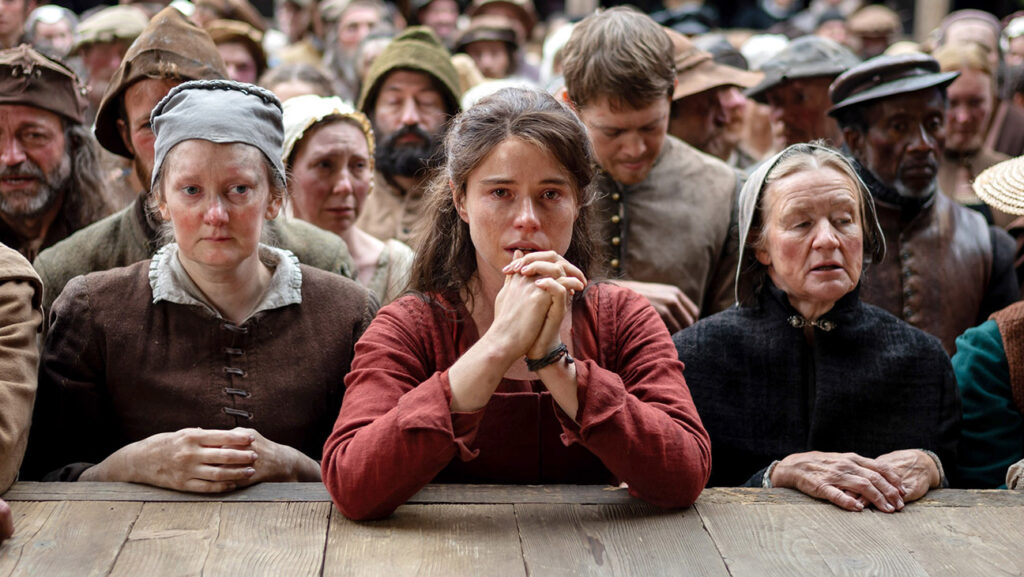
Photo Credit – Google
In the leading actress race, Jessie Buckley’s work in Hamnet has been recognised for its emotional control and narrative grounding. Rose Byrne and Kate Hudson appear for performances that challenge their established screen identities, while Emma Stone’s nomination for Bugonia continues a decade marked by sustained awards visibility. Chase Infiniti’s inclusion alongside more familiar names signals BAFTA’s openness to newer performers when supported by substantial material.
Supporting categories further underline the year’s range. Benicio del Toro and Sean Penn add structural weight to One Battle After Another, while Wunmi Mosaku’s nomination for Sinners highlights the film’s ensemble strength. Paul Mescal’s appearance for Hamnet has stood out, particularly given his uneven visibility elsewhere this season, suggesting that BAFTA voters may be reassessing performances overlooked by other awards bodies.

Photo Credit – Credit
Beyond individual films and actors, the nominations point to subtle but meaningful shifts in institutional taste. Genre work has moved closer to the centre rather than remaining confined to technical recognition. British and independent productions have held their ground alongside larger international releases, and female-led storytelling has registered with unusual consistency across categories.
The ceremony, scheduled for February 22, 2026, at London’s Southbank Centre, is likely to influence how the remainder of the awards season takes shape. More than that, this year’s nominations suggest a BAFTA landscape less preoccupied with safe alignment and more willing to engage with films that challenge expectation, tone and form.











Movies
Mother Mary Trailer: Music, Drama and Tension in Anne Hathaway’s Latest Film
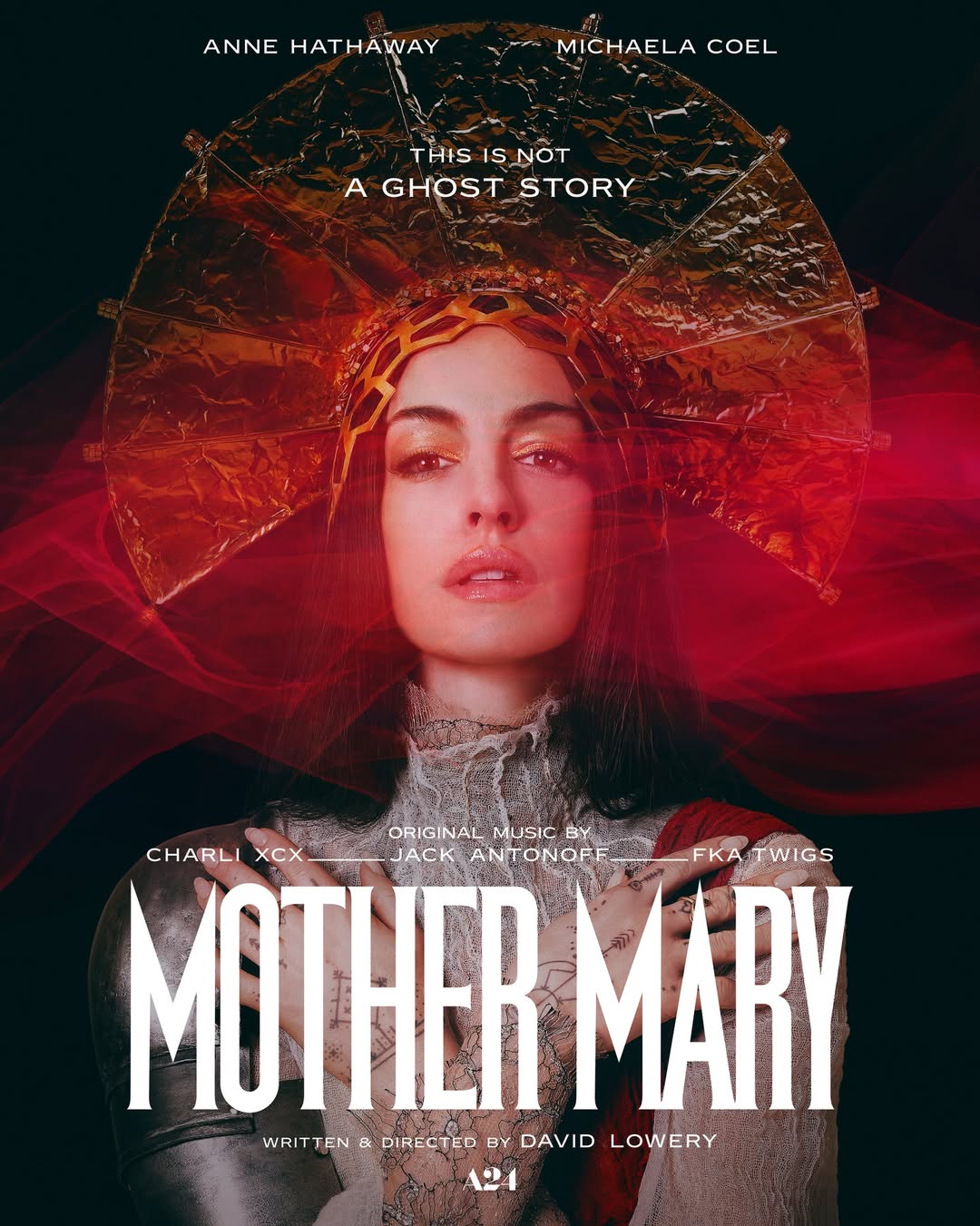
A24 has unveiled the first full trailer for Mother Mary, the latest film from director and writer David Lowery. The footage sets an unsettling tone, hinting at a story that fuses pop stardom with personal conflict, and promises something beyond a conventional comeback narrative.
Anne Hathaway stars as a global pop icon preparing for a major career revival. In the trailer, she wears striking outfits, including a glittering bodysuit and a halo-inspired headdress. On the surface, she dazzles, but tension simmers beneath the glamour. She reconnects with an estranged friend and former costume designer, played by Michaela Coel. Their reunion is charged, revealing unresolved conflict, old betrayals and emotional friction on the eve of Hathaway’s high-stakes return. The atmosphere feels uneasy, with brief glimpses of surreal rituals and fragmentary conversations that leave much unexplained.

Photo – Google
Music is central to the film. The trailer features original tracks produced by Charli XCX, FKA Twigs and Jack Antonoff, all performed by Hathaway herself. The mix of performance and story suggests Mother Mary is not your typical musical. Instead, it explores the friction between public image and private relationships, blending psychological tension with the spectacle of the pop world.
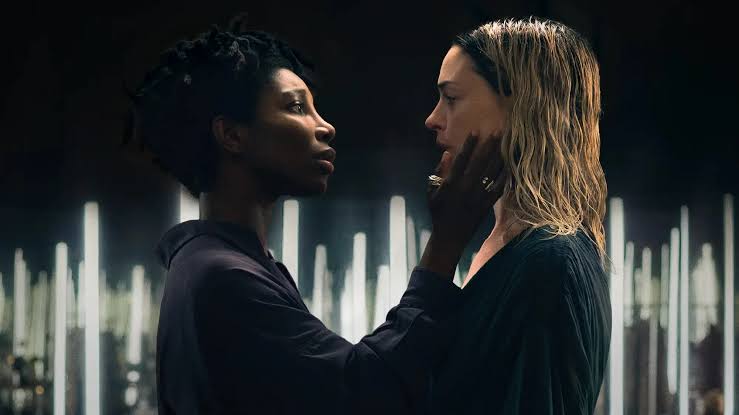
Photo – Google
Lowery’s involvement adds another layer of intrigue. Known for visually bold and emotionally ambitious work, he brings a distinctive style that suggests the film will take risks both narratively and aesthetically. A24’s reputation for boundary-pushing projects further raises expectations. The trailer avoids giving everything away, teasing tension, key character dynamics and atmosphere rather than plot specifics.
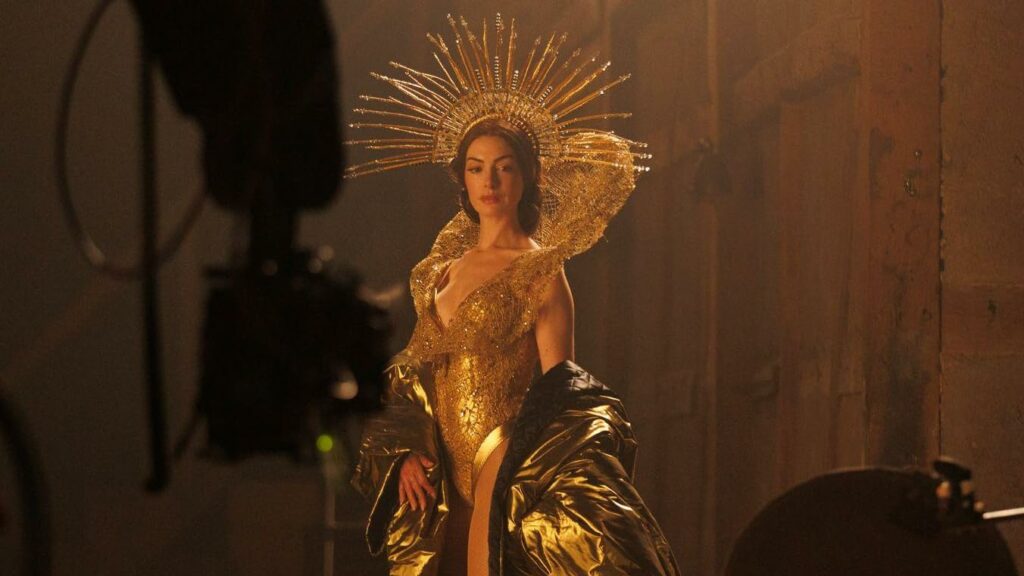
Photo – Google
Mother Mary is set for release in April 2026. The trailer offers a first look at emotional and professional conflicts, a moody visual style and the fusion of music and drama. For fans of Hathaway, Coel and the music collaborators, it hints at a film that is complex, compelling and not easily categorised. A UK audience can expect something bold, stylish and thought-provoking without being overblown.
Movies
“Devil Wears Prada 2” Unveils First Teaser Trailer With Meryl Streep, Anne Hathaway
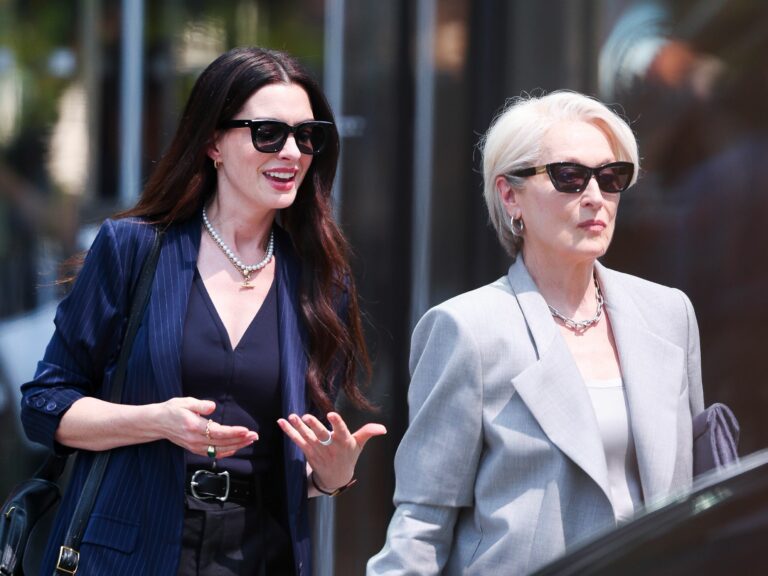
Film and fashion fans have something to celebrate. “The Devil Wears Prada” is back. On November 12, 2025, fans got their first glimpse of the long awaited sequel online, and yes. Meryl Streep and Anne Hathaway are back as Miranda Priestly and Andy Sachs.
The teaser starts with red heels clicking through the Runway office, with Madonna’s “Vogue” playing in the background. Miranda steps into the elevator with her signature icy gaze, while Andy follows, playfully greeting her with a Streep’s reply, “Took you long enough,” instantly recalls a moment from the original film.
Alongside Streep and Hathaway, Emily Blunt and Stanley Tucci are back, reprising their roles. New cast members include Kenneth Branagh, Simone Ashley, Lucy Liu, Justin Theroux, Caleb Hearon, Helen J. Shen, Pauline Chalamet, B.J. Novak, and Conrad Ricamora. Adrian Grenier will not return; his role as Andy’s love interest is now played by Patrick Brammall.

Photo credit: Instagram
Director David Frankel, screenwriter Aline Brosh McKenna, and producer Wendy Finerman are all back, the film stays true to the spirit of the original while introducing new storylines. Production started in New York City this past summer and later moved to Europe.
Reports say Lady Gaga made a brief cameo during a fashion show in Milan for the film. While longtime fashion icon Anna Wintour will not appear in the film.
The sequel is scheduled to hit theaters on May 1, 2026, nearly 20 years after the original premiered, the teaser hints that even as the fashion industry evolves, Miranda’s commanding presence and Andy’s keen intuition continue to drive the story. Fans can expect the witty dialogue, stylish outfits, and clever satire that made the first film unique.
With the original stars back, a cast of exciting new faces, and a story that blends style and drama, the Devil Wears Prada 2 promises to be a must-see for movie and fashion fans alike.
Watch Teaser Trailer Below
Movies
Adele to Make Acting Debut in Tom Ford’s “Cry to Heaven”
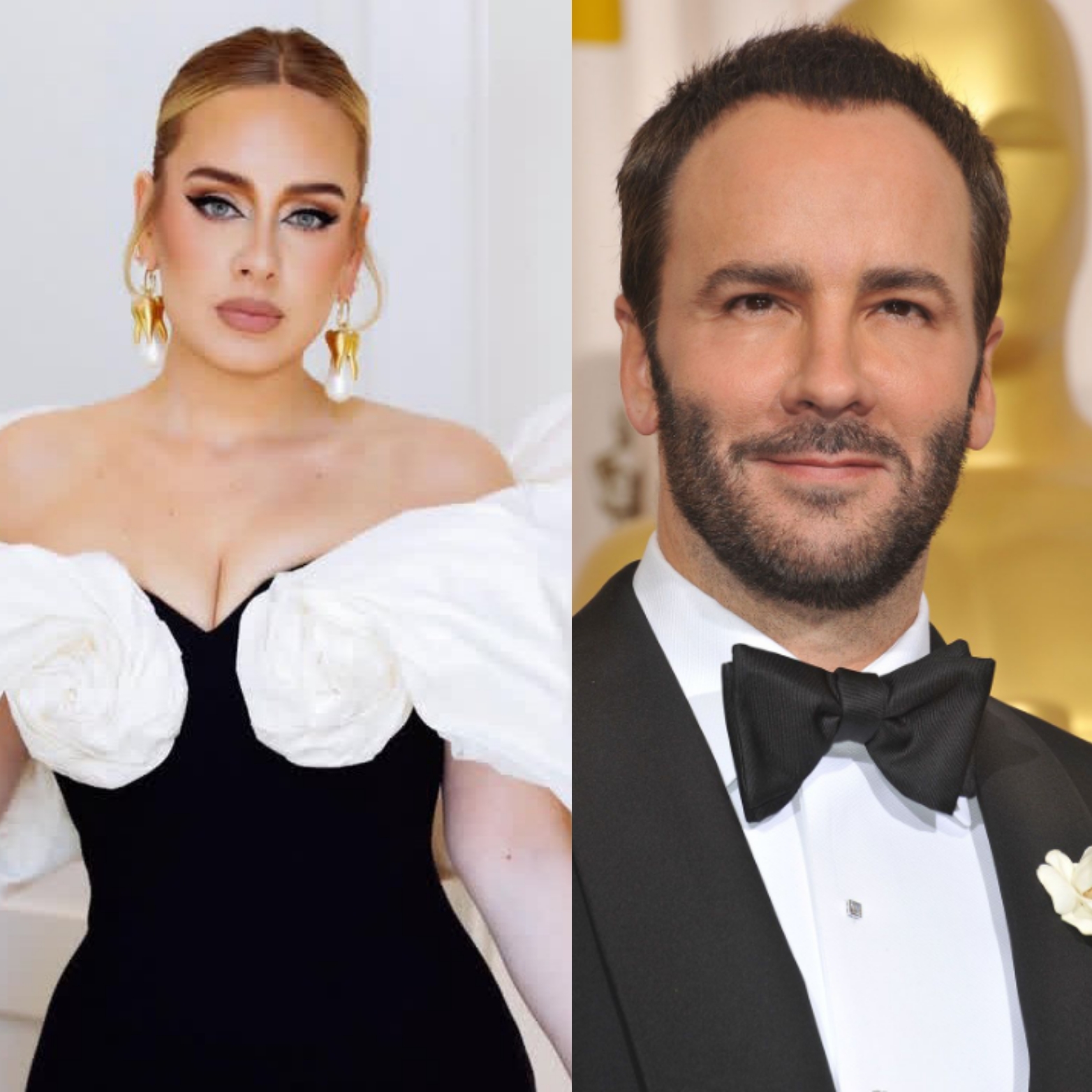
Adele, the Grammy-winning British singer, is set to make her feature film acting debut in Tom Ford’s upcoming adaptation of Cry to Heaven. Ford, who writes, directs and produces the project through his company, will mark his third feature film with the 1982 novel by Anne Rice as his source material.
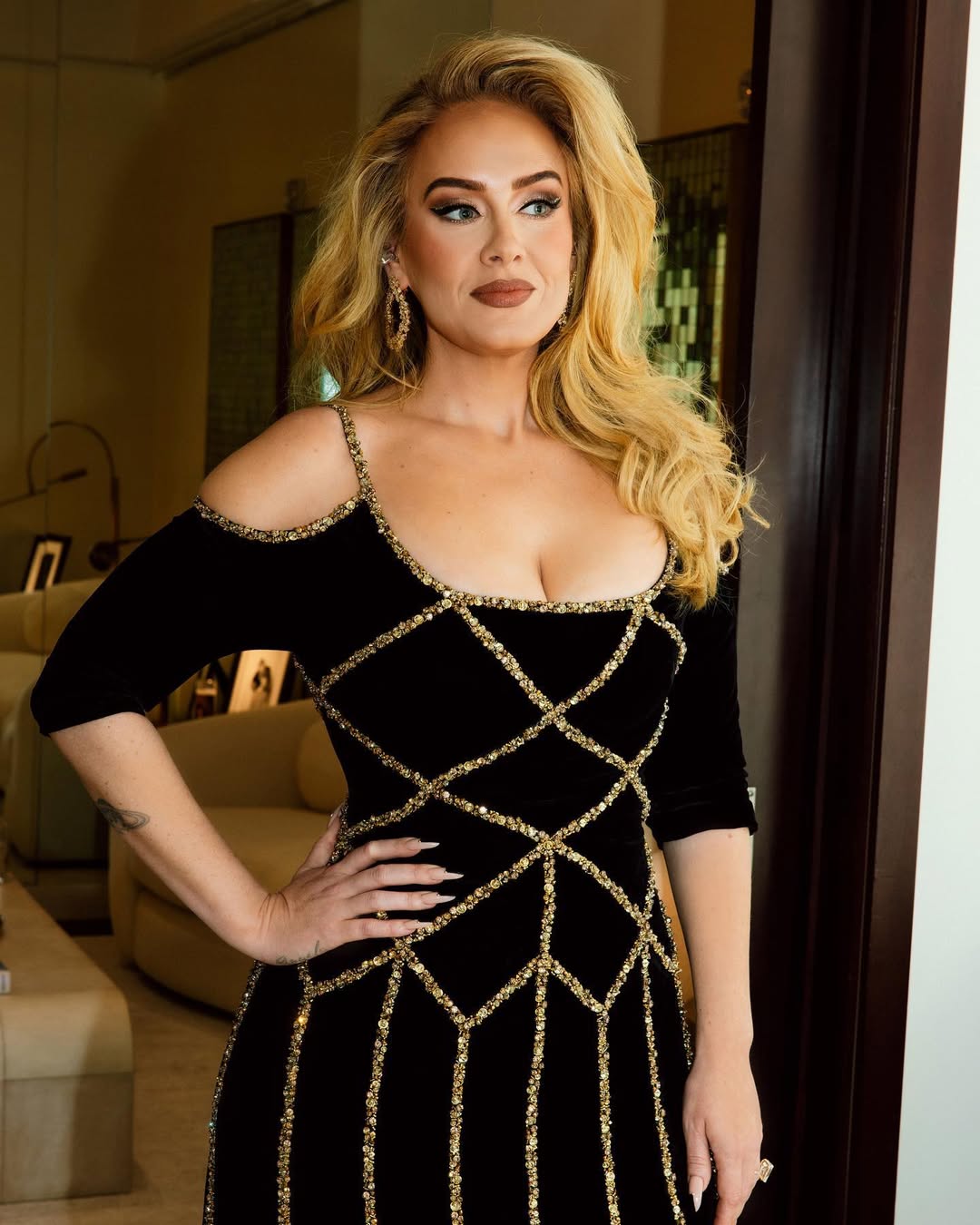
Adele – Instagram
The story of Cry to Heaven is set in 18th century Italy and centres on the intertwined lives of a Venetian nobleman and a castrato singer, exploring themes of artistic ambition, social constraint and identity. The cast includes multiple established actors alongside Adele, although her specific role has not yet been disclosed.
Filming is scheduled to begin in London and Rome in January 2026, with a planned release in late 2026. Ford intends to finance the production independently.
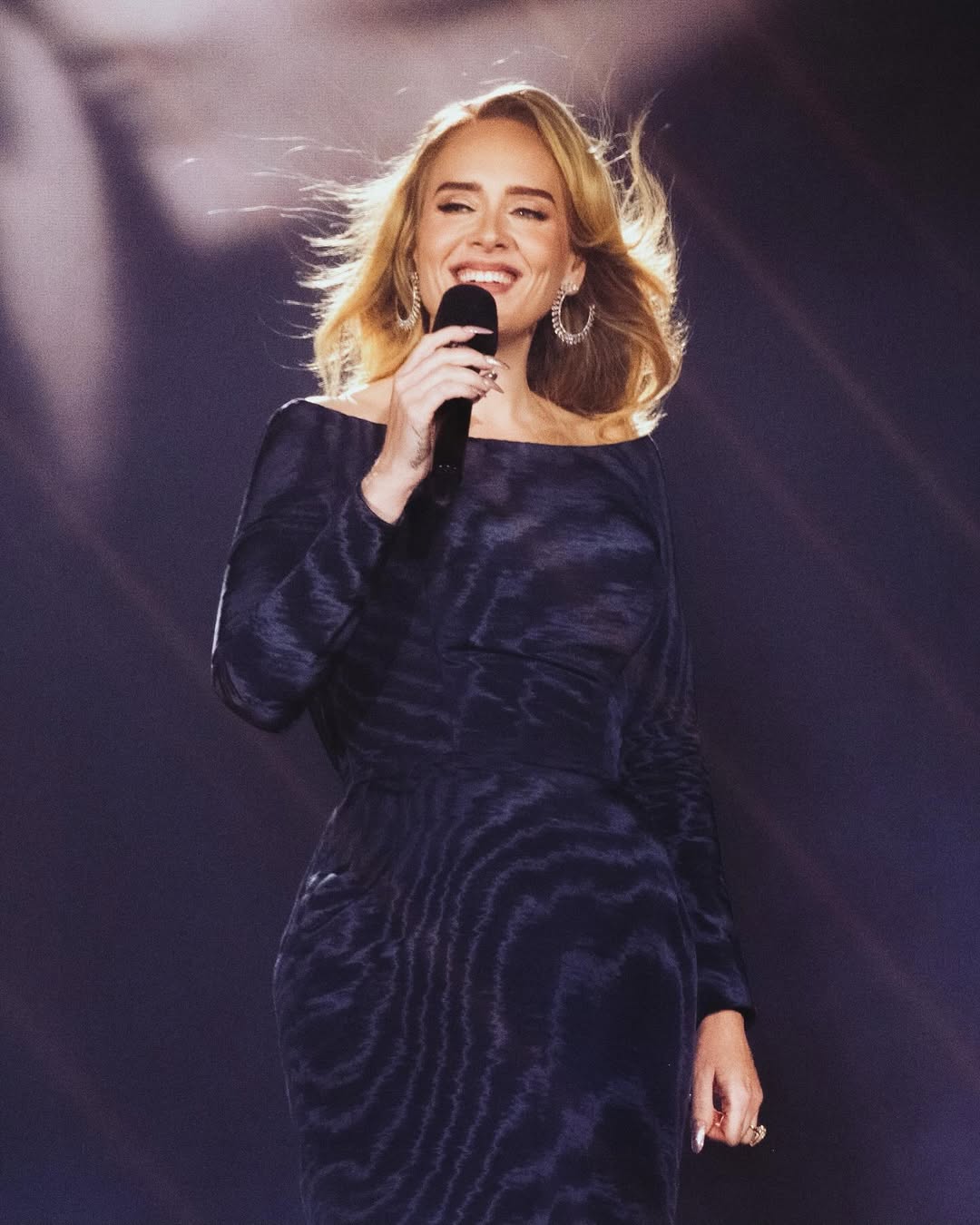
Adele – Instagram
For Adele, this marks a significant shift from her musical career. Following a residency in Las Vegas that concluded in November 2024, she announced a break from recording and touring. For Tom Ford, the project comes after nearly a decade away from directing films; his previous features were 2009’s A Single Man and 2016’s Nocturnal Animals.
By combining a high-profile musical artist entering the film world and a director known for his strong visual style, the film carries high expectations. The material, rooted in opera and historical drama, offers Adele the opportunity to draw on her performance background in a new medium. Equally, it presents challenges as she takes on a period role with complex character dynamics. For Ford, the independent financing and ensemble cast suggest he is maintaining full creative control. The reception of both the film and Adele’s performance will be closely watched when it reaches audiences.


Heidi Klum Flaunts New Curves in Stunning Dress Following Menopause Weight Journey

Kylie Jenner Nearly Naked in Chanel Cape for Steamy Vanity Fair Shoot

Little Mix Jade Dazzles in Bra-Free Crochet Jumpsuit on Little Mix Tour

Adele, She’s More than a Singer, She’s a Symbol of Love!

Adele & Paul Rich ! Engaged

Amy Winehouse – Back To Black

Megan Fox Shares First Bold Photos in Months as Machine Gun Kelly Sparks Reunion Rumours

Demi Moore Debuts Wavy Bob at Milan Fashion Week with Her Chihuahua in Front-Row Appearance

Idris Elba Teams Up with King Charles for Inspiring Netflix Doc
-

 Fashion7 months ago
Lisa Brings Labubu to Life at BLACKPINK’s London Show
-

 Fashion4 months ago
Hailey Bieber Is Firmly on Team Going‑Out Top
-

 Tech6 months ago
iPhone 17 Pro Max: Apple’s Boldest Upgrade
-
 Celebrity News7 months ago
Rita Ora Toasts Husband Taika Waititi on His 50th Birthday
-
 Music7 months ago
Ciara & Tyga’s “Dance With Me”: A Bold Revival That’s Got Fans Talking
-
 Music7 months ago
Cardi B Drops Imaginary Playerz and Sets the Tone
-

 Celebrity Style6 months ago
Naomi Campbell Teams Up with Tolu Coker for Spring 2026 Collection
-

 Celebrity Style6 months ago
Rita Ora and Primark Reveal Autumn/Winter 2025 Collection
You must be logged in to post a comment Login