
Beauty
The Best Eyeliners for Older Women That Deliver an Instant Eye Lift
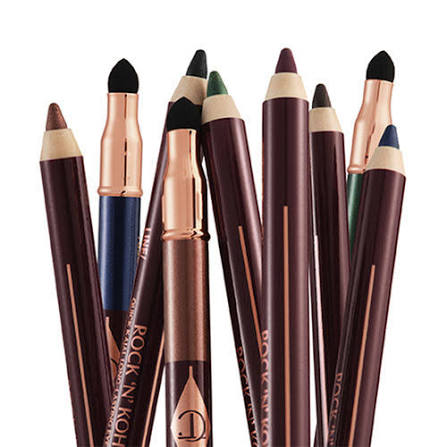
For many women, eyeliner is the one product that can instantly change how the face looks. But as the skin around the eyes grows thinner and softer, what used to glide on easily can start to drag or smudge. Finding the right formula becomes less about trends and more about control, comfort, and a line that actually stays put.
Why your eyeliner needs a rethink
Eyelid skin loses firmness and moisture over time, which affects how makeup grips and lasts. That’s why some products that worked in your thirties can feel patchy later on.
Soft pencils or gel-based liners tend to move more smoothly over textured lids. They are less likely to skip or gather in creases and are easier to adjust before they set. Shades like brown, grey, or navy give definition without the harsh contrast of black, which can emphasise shadows rather than shape.
Victoria Beckham Beauty Satin Kajal Liner
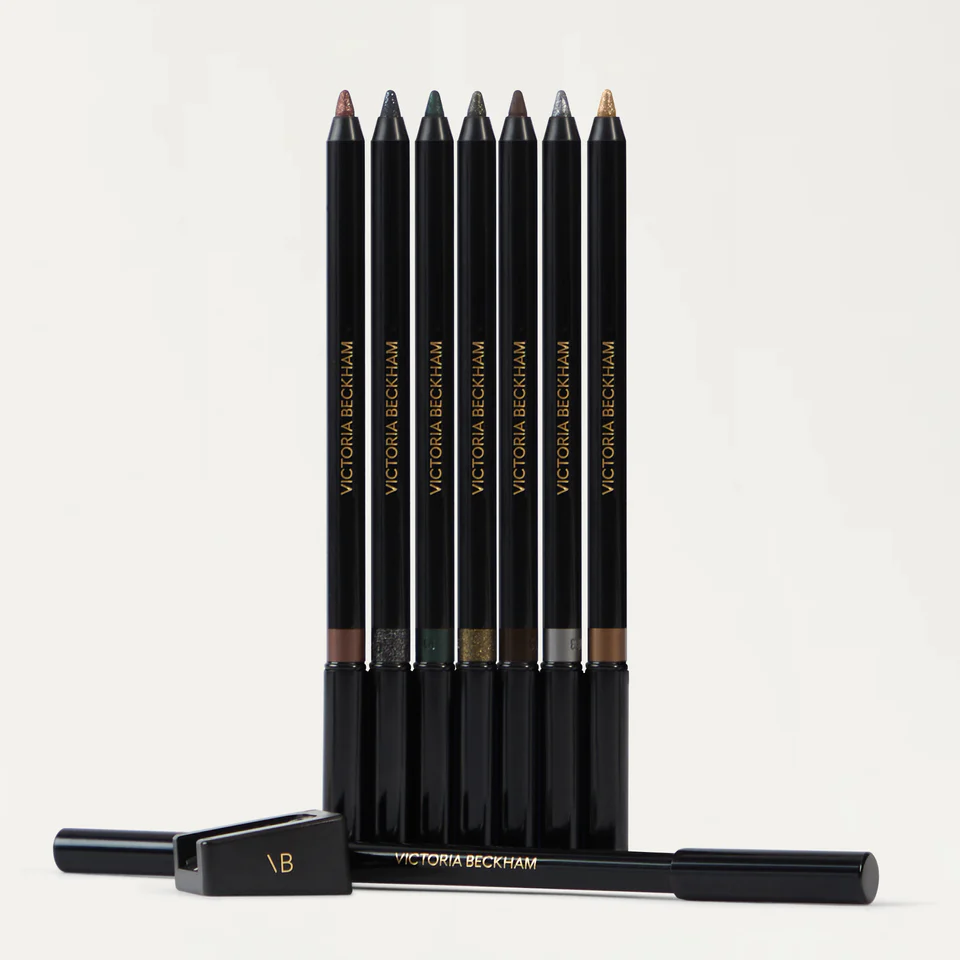
Created with a creamy, flexible formula, this pencil glides across the lash line without pulling on delicate skin. Once in place, it sets to a rich, lasting finish that holds its shape through the day. The built-in smudger allows you to soften edges or create depth between the lashes. Shades such as Cocoa, Olive, and Ash work particularly well for an uplifted look that stays natural.
Laura Mercier Tightline Cake Eyeliner
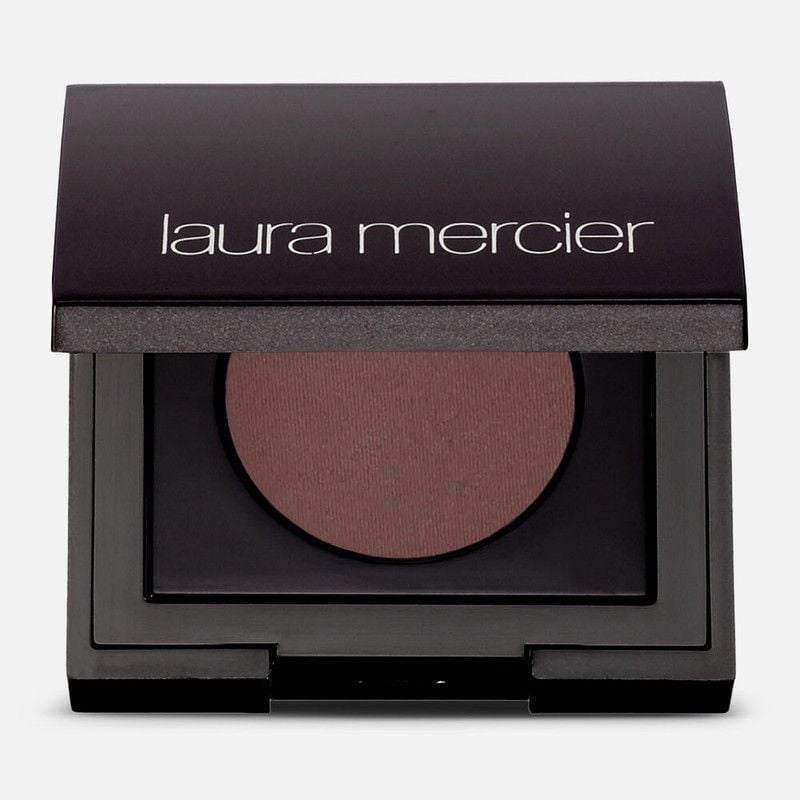
This product is designed for a barely-there approach. Applied with a damp brush at the base of the lashes, it thickens their appearance without a visible line. Because the pigment sits between lashes, it opens the eyes quietly but effectively. It is ideal for anyone who prefers subtle definition and wants to avoid the heaviness of liquid liners.
Charlotte Tilbury Rock ’N’ Kohl
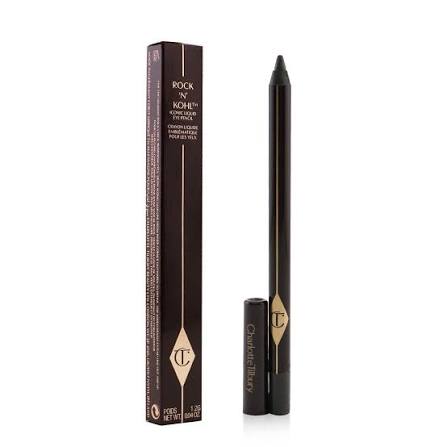
This pencil combines the intensity of kohl with the precision of a gel liner. It moves easily over the skin and sets quickly to prevent transfer. The texture makes it simple to control thickness and direction, so you can lift the outer corner or trace the lashes with accuracy. Shades like Barbarella Brown or Bedroom Black give strength without starkness.
Clinique Quickliner for Eyes
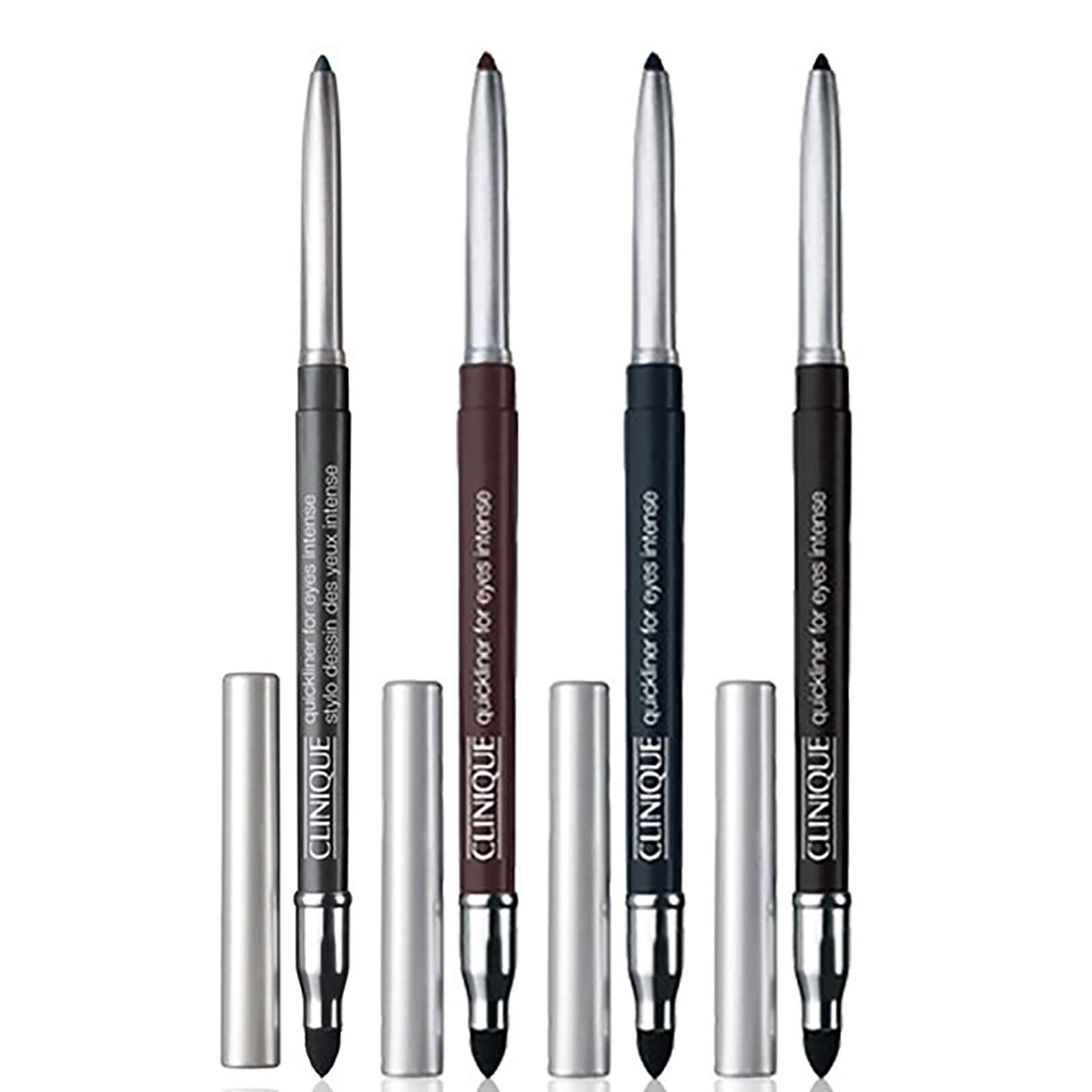
Clinique’s twist-up pencil is made for sensitive eyes and those who want quick, no-fuss definition. It has a smooth, even texture that stays comfortable on the skin. The built-in blending tip lets you soften lines for a gentler finish, while the fragrance-free and ophthalmologist-tested formula means it can be used daily without irritation.
How to apply for a natural lift
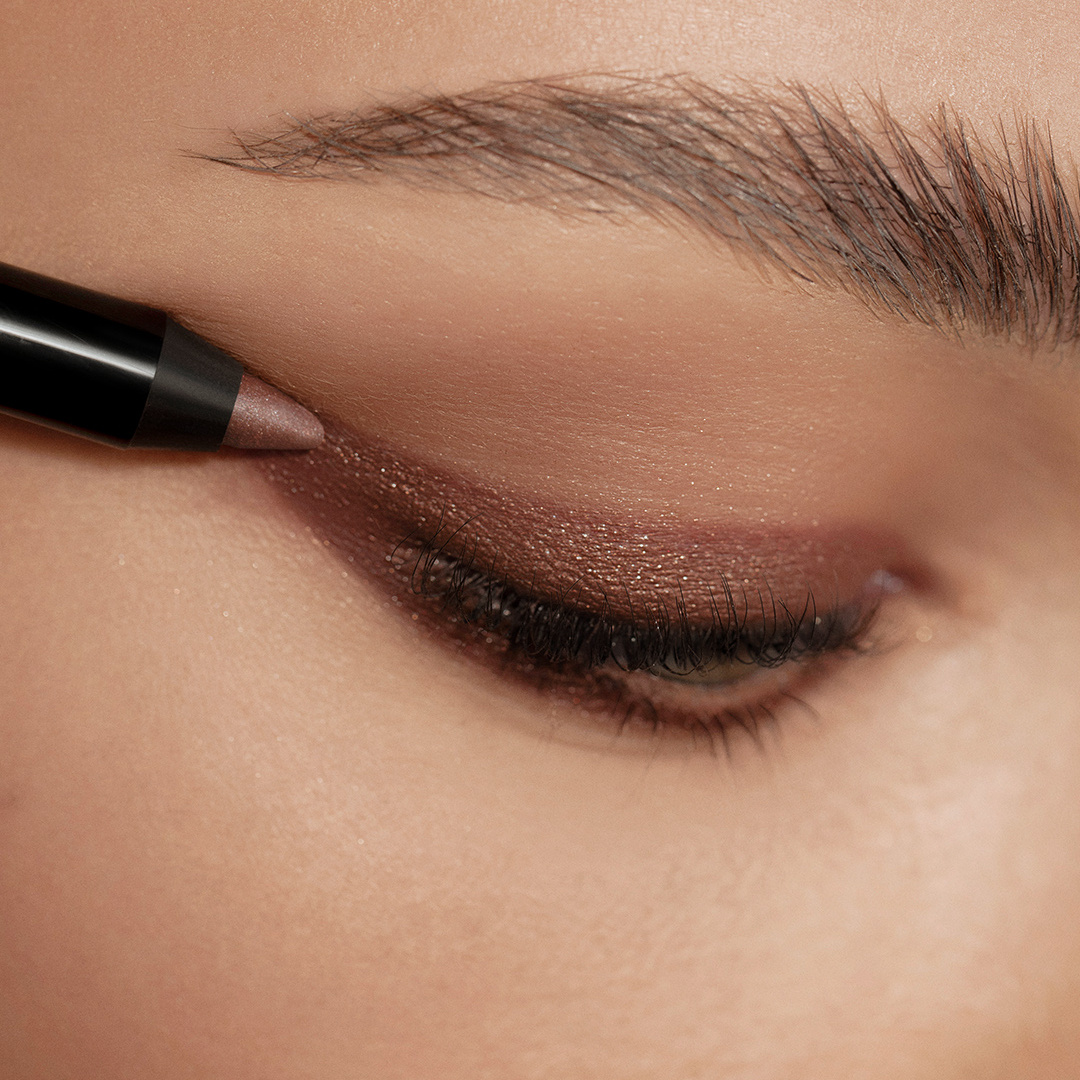
Focus colour along the upper lash line to visually raise the eyes.
Use short, light strokes instead of one sweep to prevent skipping.
Try tightlining, filling the gaps between upper lashes, for definition without visible thickness.
Keep the lower lash line softer or skip the inner corner to avoid dragging the eye downward.
Choose tones close to your lash colour for a balanced, fresh look.
These adjustments keep the eye area defined but soft, highlighting shape rather than product.
In summary
The most effective eyeliners for mature eyes combine smooth application with stable colour and gentle ingredients. Brands like Victoria Beckham Beauty, Laura Mercier, Charlotte Tilbury, and Clinique offer formulas that achieve this balance. When applied with a light hand and thoughtful placement, eyeliner does more than outline the eyes; it restores focus and brightness without drawing attention to fine lines.
Beauty
Hailey Bieber Debuts Her Darkest Hair Colour in Over a Decade
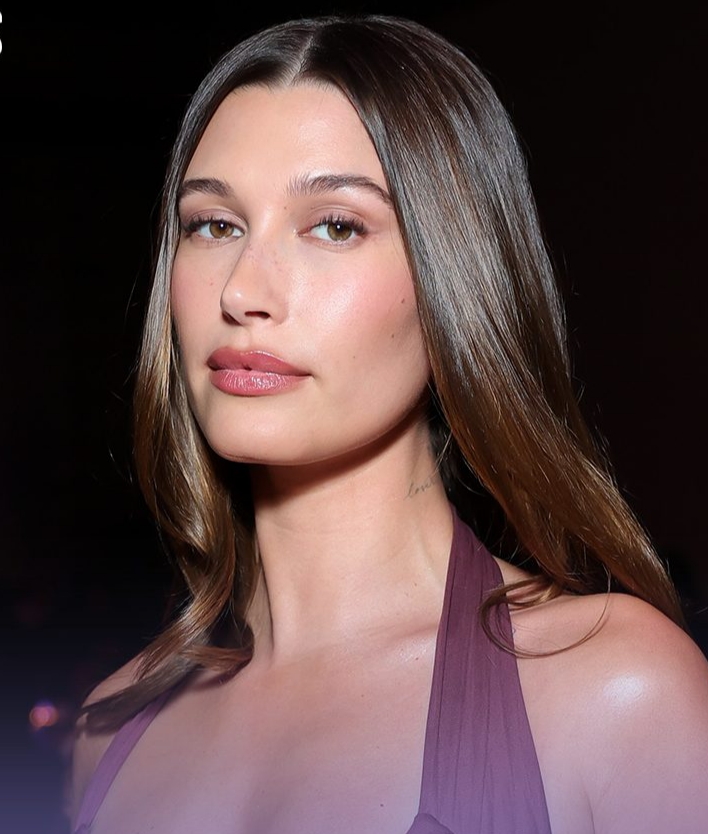
Hailey Bieber has gone brunette in one of her biggest hair changes in years, debuting a deep brown shade that marks her darkest colour in more than a decade.
The new look was revealed by hairstylist Irinel de León on 19 September, with Bieber wearing long, dark brown hair that falls well below her shoulders. Colourist Matt Rez created the new shade, while de León worked on the cut and styling. Extensions by Priscilla Valles were also used to add length.
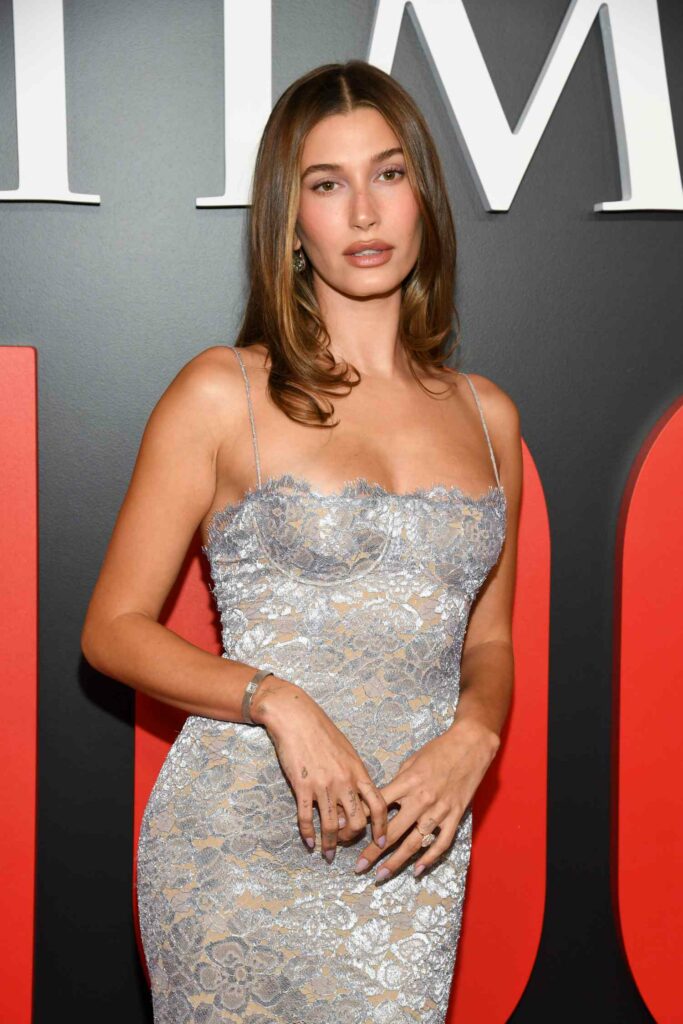
Photo: Getty Images
The change comes after Bieber has worn several lighter brunette and blonde shades in recent years. Her previous looks have included caramel highlights, warmer brown tones and an icy blonde bob, which she wore earlier this year.
This latest colour is closer to a deep chocolate brown, with rich espresso tones running through it. The longer cut includes layers and shorter pieces around her face, giving the style more shape.

Photo: Getty Images
Bieber has worn dark hair before, with 2015 providing the closest comparison. She attended that year’s Met Gala with dark brunette hair, making her latest transformation a return to a colour she has not worn at this depth for years.
The timing of the change is also notable because Bieber previously said she planned to avoid major hair changes for a period after giving birth. Her latest look marks a much more dramatic change from the lighter shades she had been wearing.
Her makeup was kept relatively soft against the darker hair. Makeup artist Mary Phillips used Rhode products alongside products from her own line, including blush and pink-toned lip products.

Photo: Getty Images
The new brunette also comes with considerably more length than some of Bieber’s recent shorter styles. Instead of the cropped cuts she has worn in the past, she is now wearing her hair long, layered and deep brown.
After experimenting with blonde, highlighted brunette and lighter brown shades, Bieber has returned to one of her darkest hair colours yet, giving her latest beauty look a distinctly different feel.
Beauty
Why Toner Pads Are the K-Beauty Essential Everyone Is Talking About
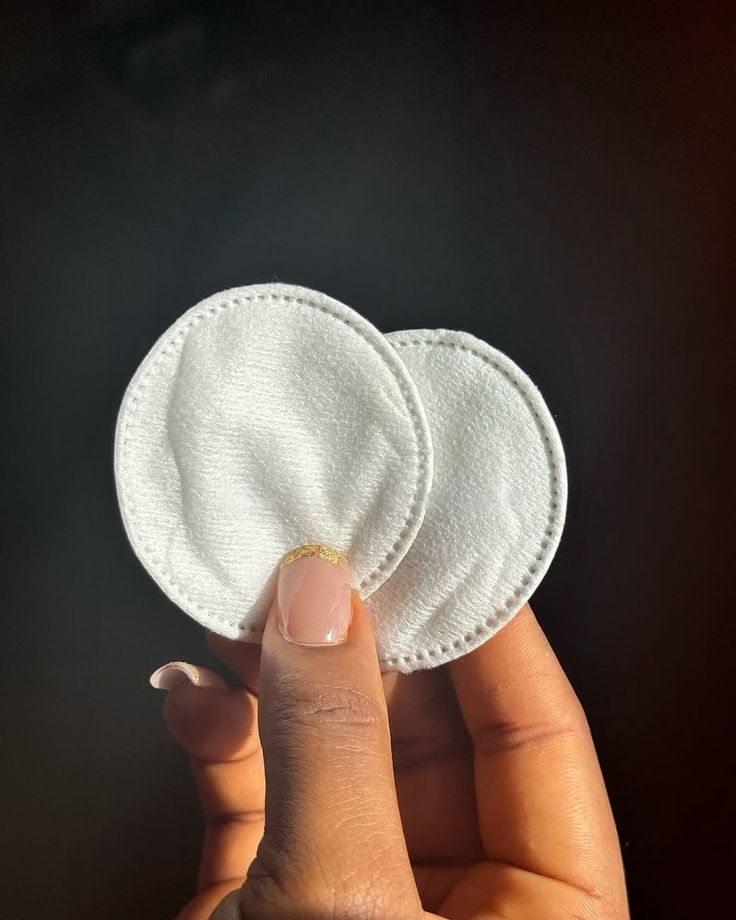
Toner has come a long way from being an optional step that many people skipped. Modern formulas, particularly those popularised by K-beauty brands, have changed how the product is used. Among the biggest skincare trends in recent years are toner pads, which beauty editors, dermatologists and skincare enthusiasts recommend for their ability to hydrate, soothe and prepare the skin in a single step.
Unlike traditional toners that require a separate cotton pad, toner pads come pre-soaked with skincare ingredients. Each pad contains a measured amount of product, making application quick and less messy. That convenience is one reason they have become a regular part of Korean skincare routines and are now widely used in beauty routines worldwide.
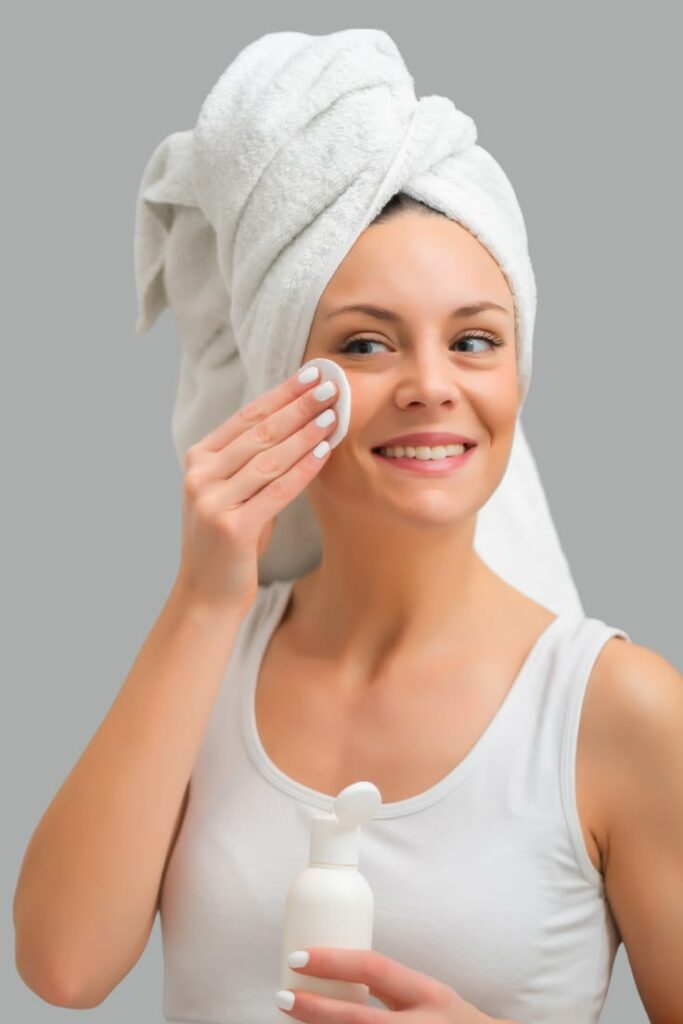
Photo: Pinterest
Different toner pads are designed to address different skincare concerns. Hydrating formulas often contain ingredients such as hyaluronic acid, panthenol and glycerin to replenish moisture after cleansing. Calming versions typically include centella asiatica, heartleaf or mugwort to help reduce visible redness and support the skin barrier. Exfoliating pads use gentle acids such as AHA, BHA or PHA to remove dead skin cells and improve skin texture without the harsh scrubbing associated with physical exfoliants.
Their versatility is another reason many people have added them to their routines. A quick swipe helps remove any remaining residue after cleansing while delivering beneficial ingredients to the skin. Leave a few pads on dry or irritated areas for several minutes and they can work like a mini sheet mask, providing additional hydration or soothing care where it is needed most.
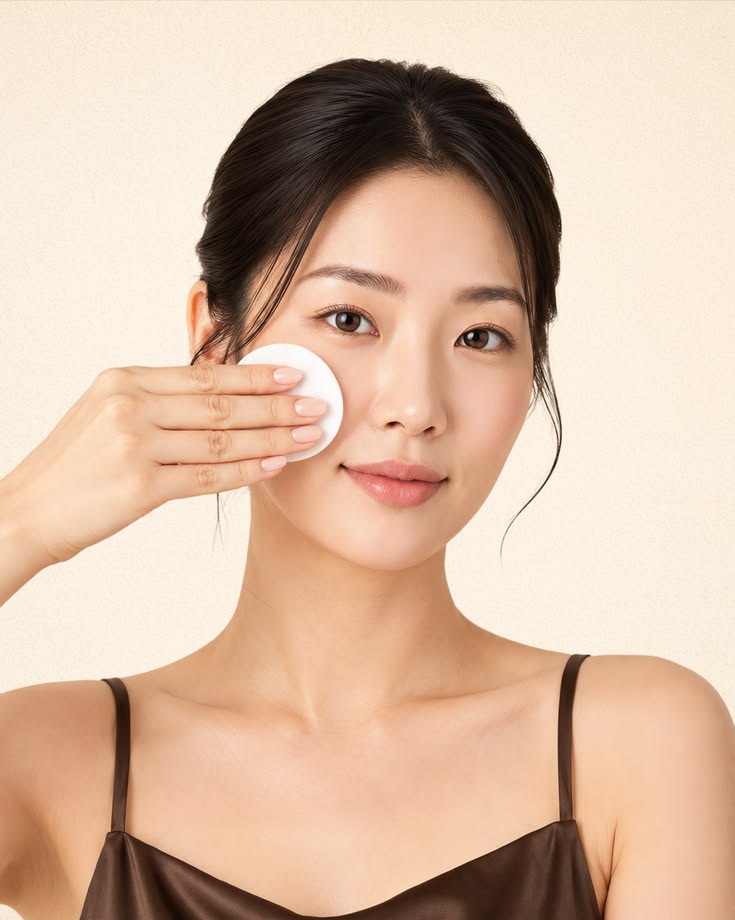
Photo: Pinterest
Toner pads also suit people who prefer a straightforward skincare routine. Instead of reaching for several products before applying a serum, users can cleanse, use a toner pad and continue with the next step. The pre-soaked format also makes them useful for travelling, freshening up after exercise or preparing the skin before applying makeup.
Many makeup artists use toner pads as part of skin preparation before applying foundation. Hydrating formulas help soften dry patches so makeup applies more evenly, while gentle exfoliating pads help remove flaky skin for a smoother finish. Rather than relying on heavy primers, many Korean skincare routines focus on well-hydrated skin to create a better base for makeup.
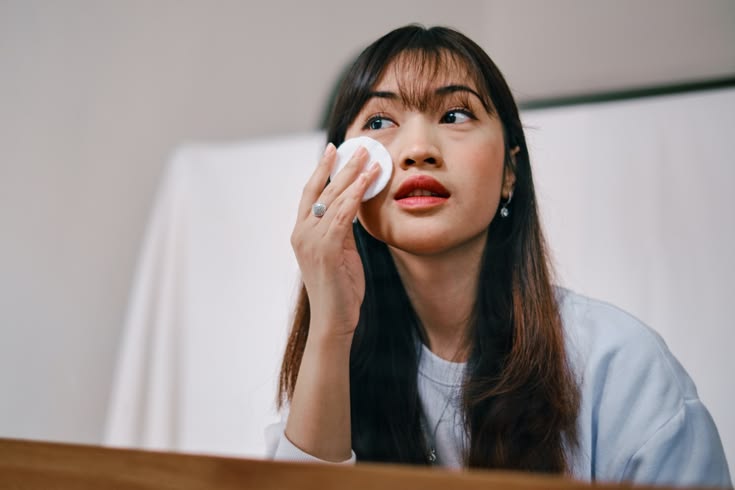
Photo: Pinterest
Choosing the right toner pad depends on your skin type. Dry or sensitive skin generally benefits from soothing and hydrating formulas that are free from alcohol and strong fragrance. Oily or blemish-prone skin may benefit from pads containing salicylic acid or other gentle exfoliating ingredients, although they should not be used too often. Excessive use of exfoliating pads can weaken the skin barrier and cause irritation instead of benefiting the skin. Dermatologists also recommend checking the ingredient list instead of buying products based solely on social media trends.
While toner pads can be a useful addition, they are not essential for an effective skincare routine. A good cleanser, moisturiser and daily sunscreen remain the foundation of healthy skin. Toner pads offer added convenience and can help address concerns such as dehydration, uneven texture and dullness when chosen to suit your skin’s needs.
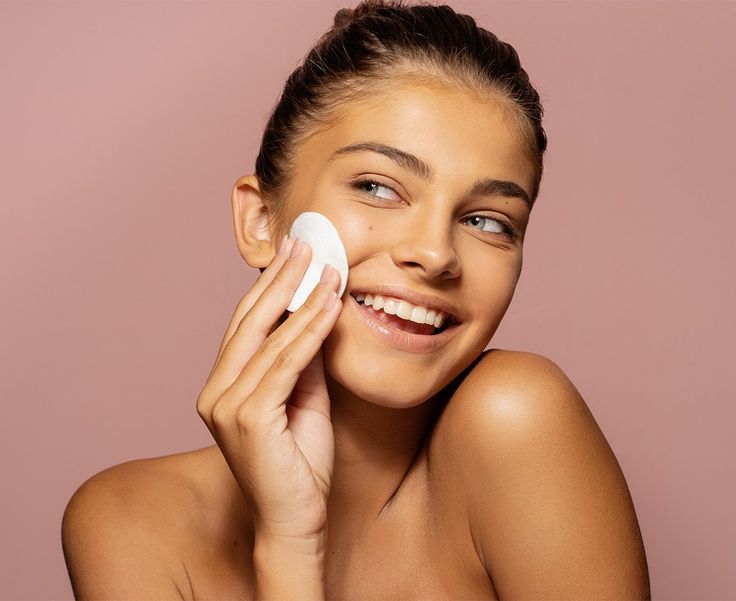
Photo: Pinterest
The rise of toner pads reflects growing interest in skincare products that are practical and easy to use. K-beauty has built its reputation on gentle, consistent skincare, and toner pads reflect that approach. Whether you want to calm sensitive skin, add hydration or prepare your skin for makeup, they have become a popular choice for people looking to simplify their routines without compromising on results.
Beauty
Are Peptides in Skincare Worth It? Benefits, Risks and What to Know
Walk through the skincare aisle or browse beauty retailers online and one ingredient is hard to miss: peptides. From moisturisers and serums to eye creams and lip treatments, peptides have become one of the most widely marketed skincare ingredients. Many brands claim they can soften wrinkles, improve firmness and reduce visible signs of ageing.
Unlike some skincare trends with limited scientific support, peptides are backed by a growing body of research. However, that does not mean every peptide product delivers the same results or works in the same way for everyone.
So, are peptides worth adding to your skincare routine? The answer lies in understanding what they are, what they can do and what they cannot.
What Are Peptides?
Credit: Pinterest
Peptides are short chains of amino acids that help form proteins such as collagen and elastin, which give skin its strength and elasticity. As collagen production slows with age and sun exposure, the skin gradually loses firmness and develops fine lines.
Some peptides signal skin cells to support collagen production, while others help strengthen the skin barrier or improve hydration. Because different peptides serve different purposes, results depend on the type used and the quality of the formulation.
The Main Benefits of Peptides
Credit: Pinterest
One of the biggest reasons people use peptide-based skincare is its potential to improve skin firmness. Certain peptides encourage collagen production, which may gradually increase skin elasticity and help the skin appear firmer with regular use.
Peptides may also soften the appearance of fine lines by supporting collagen production and improving hydration. While they cannot remove wrinkles, consistent use may help skin look smoother over time.
Another benefit is their ability to support the skin barrier. Some peptides help reinforce this protective layer, reducing moisture loss and making the skin less prone to dryness and irritation.
Many peptide products are formulated with hydrating ingredients such as hyaluronic acid and ceramides, which help maintain moisture levels and temporarily plump the appearance of fine lines.
Certain peptides also have anti-inflammatory properties that may help calm redness and support overall skin comfort, making them a suitable option for many people with sensitive skin.
Are Peptides Suitable for Every Skin Type?
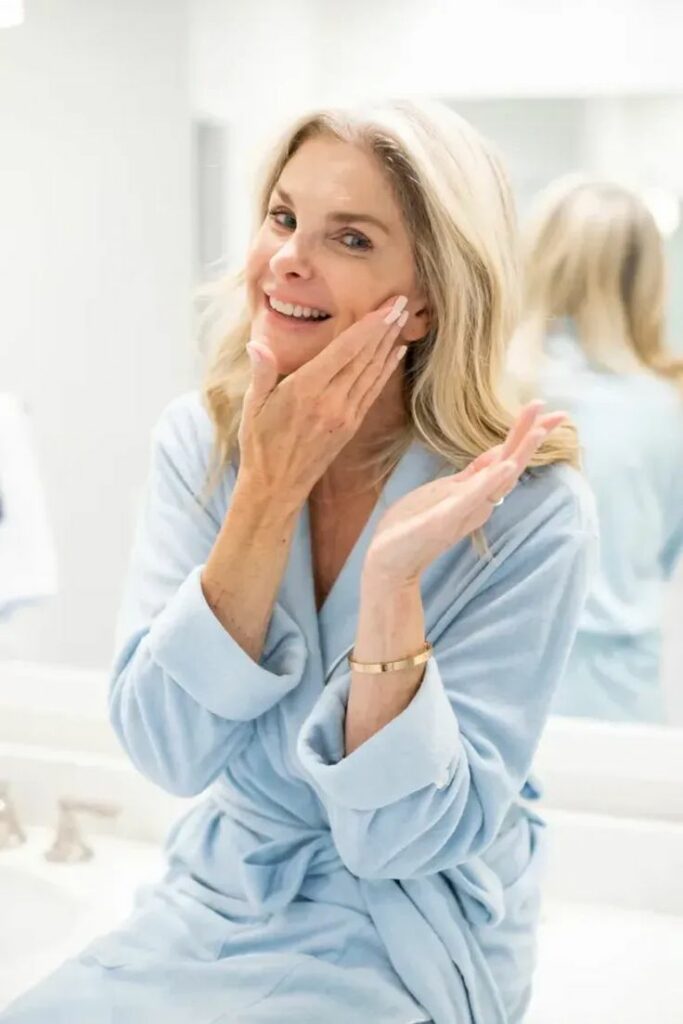
Peptides are generally suitable for most skin types, including sensitive skin, because they rarely cause the dryness or peeling associated with stronger active ingredients such as retinoids or exfoliating acids. As with any new skincare product, patch testing is still recommended.
Do Peptides Have Any Risks?
Credit: Pinterest
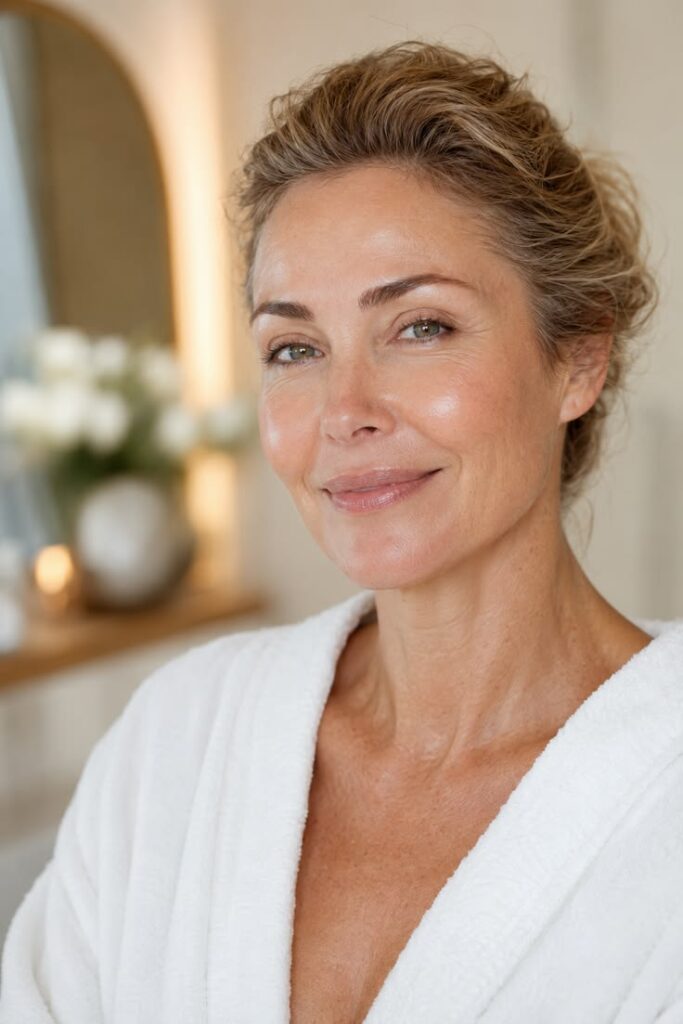
Peptides are considered low-risk skincare ingredients, but they do have limitations. Visible improvements usually take several weeks or months, and not every product contains enough peptides to make a noticeable difference.
They also cannot replace cosmetic procedures or prescription treatments for deeper wrinkles or significant skin laxity. Choosing a well-formulated product and using it consistently is key.
Can You Use Peptides with Other Skincare Ingredients?
Credit: Pinterest
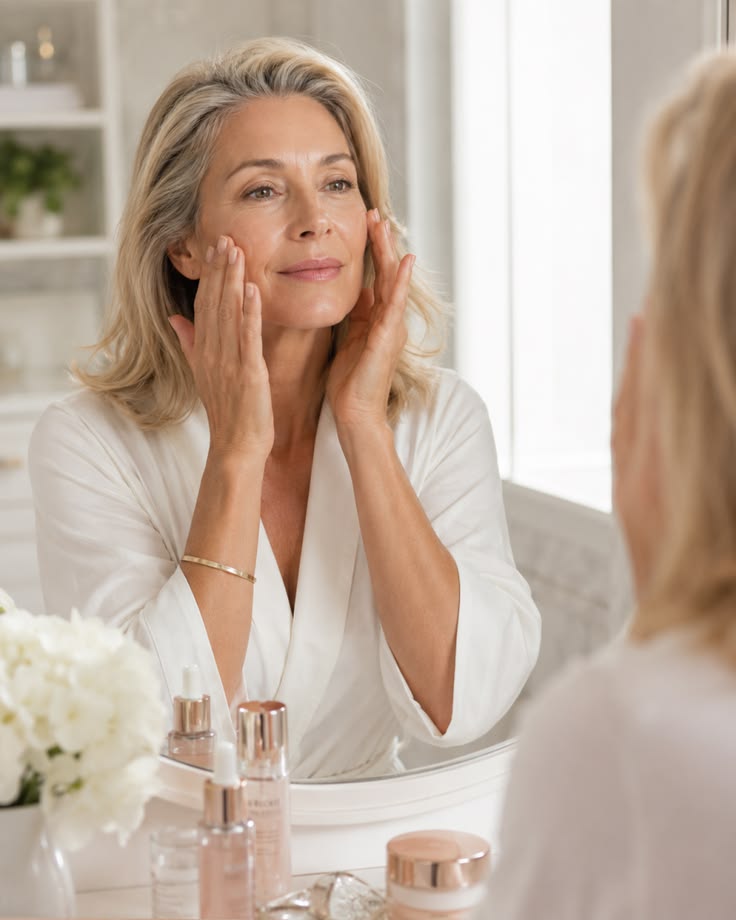
Yes. Peptides work well alongside ingredients such as hyaluronic acid, ceramides and niacinamide. They can also be used with retinoids and vitamin C, although anyone with sensitive skin may prefer introducing new active ingredients gradually.
How to Choose a Peptide Product

Credit: Pinterest
Look for products from reputable brands that clearly identify the peptides they contain. Serums often provide higher concentrations of active ingredients, while moisturisers combine peptides with hydrating ingredients.
Regular use matters more than frequently changing products. Daily sunscreen is also essential, as no skincare ingredient can prevent the collagen damage caused by ultraviolet exposure.
Are Peptides Worth It?

Credit: Pinterest
Peptides can be a worthwhile addition to many skincare routines, especially for those looking to improve firmness, hydration and the appearance of fine lines without using harsher active ingredients.
They are not a substitute for professional treatments, but research suggests that well-formulated peptide products can support healthier-looking skin when used consistently as part of a balanced skincare routine.


Brooklyn Beckham and Nicola Peltz Arrive Paris Fashion Week

Rihanna Celebrates Daughter Rocki’s First Birthday With Never-Before-Seen Photos

Taylor Swift Breaks Record for Most MTV VMA Wins


-

 Netflix4 months ago
Netflix’s “The Four Seasons” Original Series Back for Season 2
-

 Fashion4 months ago
Romeo Beckham Teases New Apparel Brand
-

 Entertainment5 months ago
Who Is Noah Price? Meet Venezuela Fury’s Young Boxer Husband
-

 Movies4 months ago
Zendaya and Tom Holland Share Intimate Moment at First Red Carpet Appearance
-

 Celebrity Style5 months ago
Kylie Jenner Steps Out in a Skin-Tight Dress
-

 Celebrity News4 months ago
The Beckhams Enjoy Yacht Day in Ibiza
-
 Beauty4 months ago
Sunscreens Worth Wearing Right Now
-

 Celebrity News4 months ago
Kim Kardashian and Kris Jenner Enjoy a Night Out at Spago After Being Called ‘Sisters’
You must be logged in to post a comment Login