
Fashion
David Jonsson Sets His Sights on Paul Mescal’s Cardigan Collection
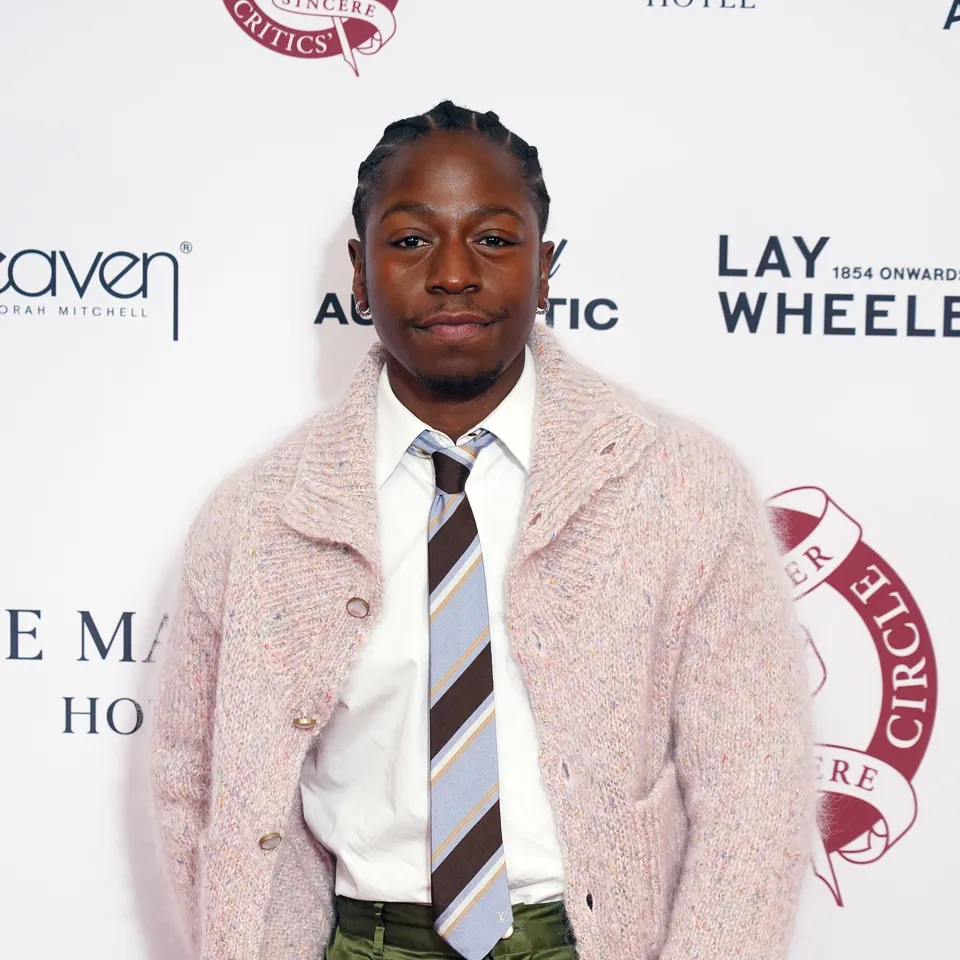
In early 2026, the conversation around men’s knitwear took an unexpected turn when David Jonsson’s name began appearing alongside Paul Mescal’s well-documented cardigan fixation. This is less about celebrity imitation and more about how a single piece is now a testing ground for how masculinity is currently styled in menswear. The cardigan, once shorthand for safe dressing, is being reworked as a deliberate style choice, and actors are playing a visible role in pushing that shift.
The cardigan circulating through red carpets and press events is far removed from its retirement-home stereotype. Over the past two years, Paul Mescal helped reposition the piece through repeated, visible wear during major promotional circuits. His preference leaned toward fitted knits that sat somewhere between tailoring and loungewear, styled with precision that made them feel intentional. Fashion coverage did not treat these appearances as throwaway styling notes. They were catalogued and debated, prompting online discussion about designers and cuts. The repetition helped establish the piece as a recognisable signature.
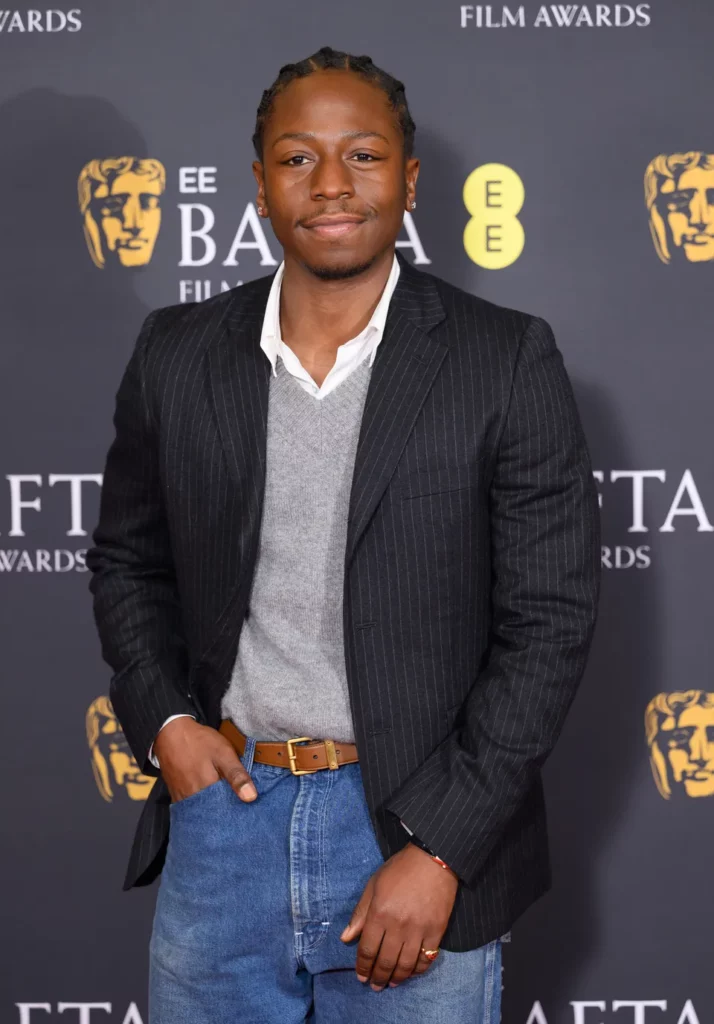
Photo Credit – Getty Images
Mescal’s decision to later resell portions of his press wardrobe for charity added another layer to the narrative. The clothes were not presented as disposable celebrity costumes but as objects with continued value. That gesture aligned his style with broader conversations around reuse and sustainability, themes that increasingly shape how audiences evaluate fashion credibility. The cardigan, in this context, became more than a short-lived trend piece. It represented a wearable intersection between image, ethics and personal branding.
David Jonsson’s recent embrace of statement knitwear pushes the conversation in a different direction. Where Mescal’s approach was controlled and streamlined, Jonsson’s interpretation leans into texture and visual weight. In a recent London appearance, he treated a textured pink cardigan as the centre of his outfit rather than a background layer. Paired with sharper tailoring elements, the look suggested that knitwear can function as formal punctuation instead of casual filler.
Menswear trends often stall when they become too closely tied to a single figure. Jonsson’s styling expands the cardigan’s vocabulary. It demonstrates that the piece can absorb personality without slipping into parody. The emphasis shifts from copying a celebrity uniform to experimenting with proportion, fabric and colour. In practical terms, it gives stylists and designers permission to treat knitwear as structure rather than comfort dressing.
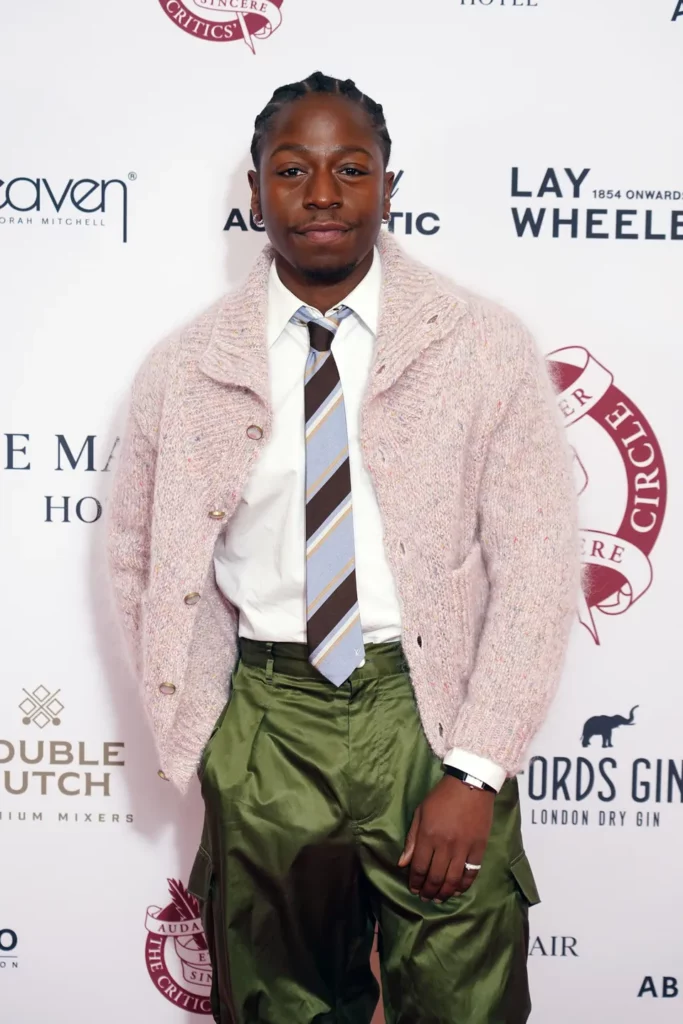
Photo Credit – Getty Images
The renewed visibility of the cardigan also reflects a wider softening in men’s fashion. Structured suits and logo-driven streetwear no longer dominate every high-profile appearance. There is a growing appetite for clothes that signal tactility and ease while still reading as deliberate choices. Knitwear answers that demand. It introduces surface and warmth into outfits that might otherwise feel rigid. When actors adopt these pieces in high-profile settings, they accelerate acceptance. What might once have read as eccentric becomes accessible through repetition.
The cardigan has existed in men’s wardrobes since the early 20th century. Its resurgence is not about rediscovery but about reframing. Figures like Mescal established a baseline of credibility. Jonsson and others are now stretching the boundaries of how expressive the piece can be. Together, they are turning a historically quiet item into a visible site of experimentation.
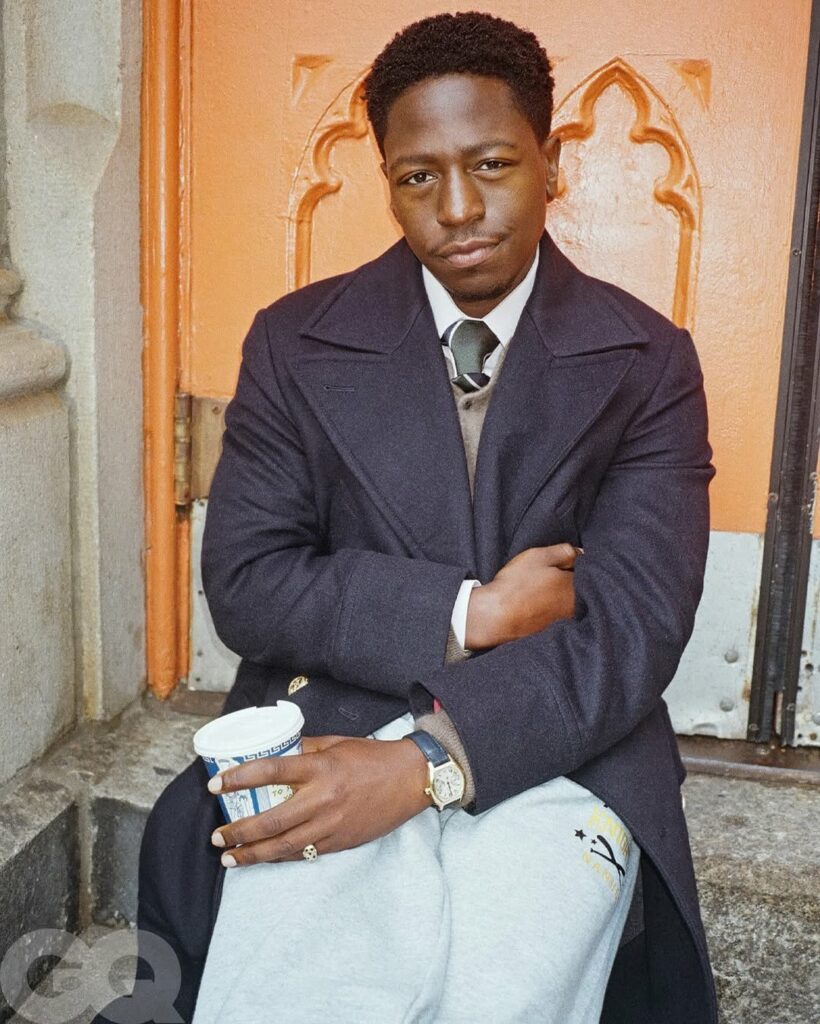
David Johnson – Instagram
Fashion cycles rarely hinge on a single item, yet certain pieces become shorthand for broader cultural adjustments. The cardigan’s elevation suggests a move toward clothing that balances softness with authority. It invites a version of masculinity that is not built solely on sharp lines and hard fabrics. As more public figures adopt and reinterpret knitwear, the item’s meaning continues to widen. It stops being a seasonal curiosity and starts becoming a stable part of contemporary style.
If current styling patterns hold, the cardigan will not disappear at the end of a trend report. It will remain in circulation as a flexible tool for self-definition. That longevity separates a passing moment from a genuine shift. David Jonsson’s entry into the conversation signals that the piece has moved beyond one man’s signature and into a shared space where variation is expected. The interest now lies in how far that variation can go.







Fashion
Victoria Beckham Touches Down in Paris With a £70,000 Outfit Ahead of Her Latest Fashion Week Show
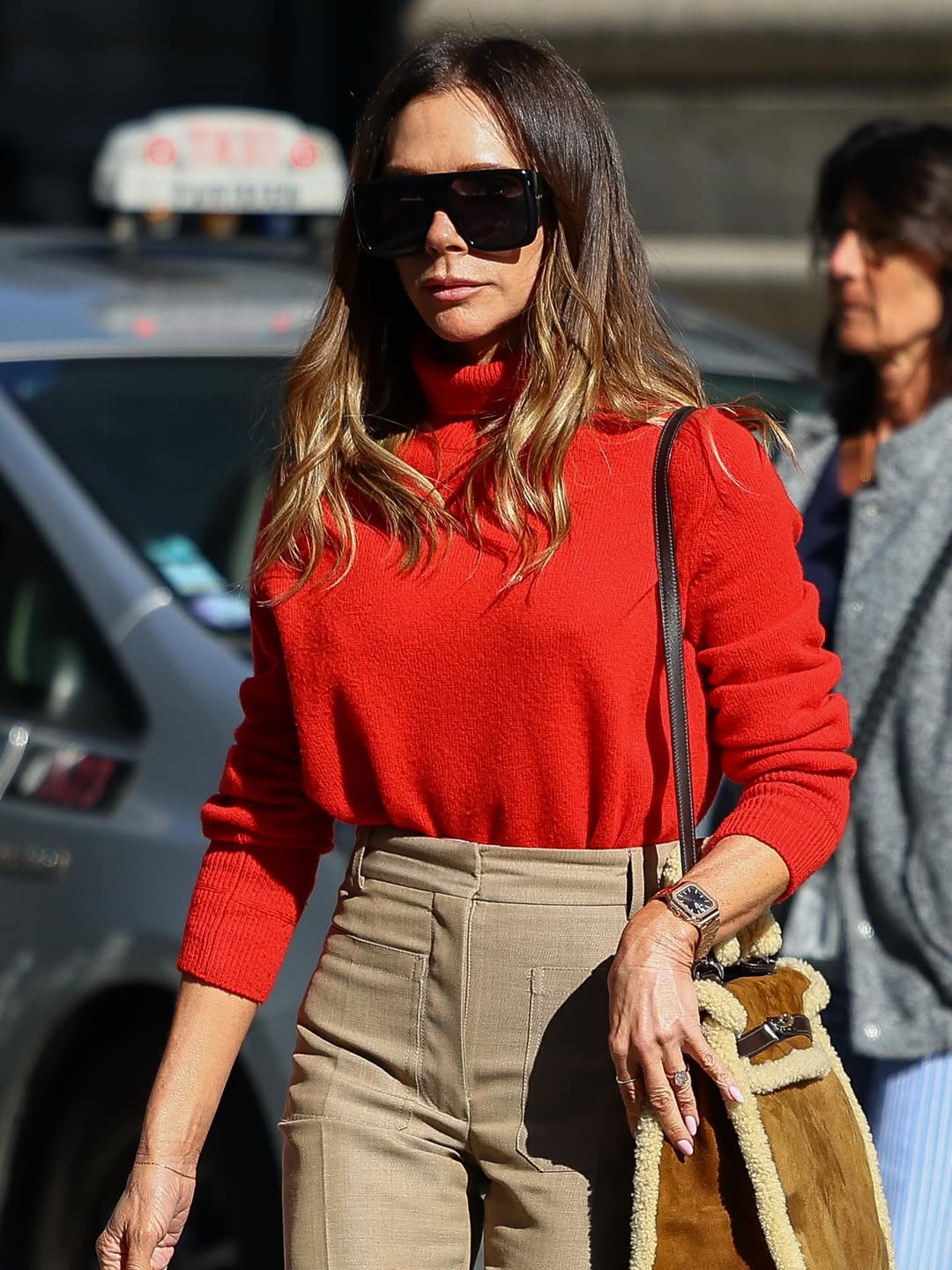
Victoria Beckham arrived in Paris ahead of her scheduled appearance at Paris Fashion Week, choosing an arrival look valued at about £70,000. The designer and former member of Spice Girls wore a structured travel outfit that reflected the tailored style associated with her ready-to-wear label.
The most notable accessory was a shearling-trimmed Kelly bag from Hermès. The limited-edition design was produced during the period when Jean Paul Gaultier worked with the brand in 2005. Vintage versions of the bag are known to command high resale prices, with estimates reaching around $80,000 depending on condition and authenticity.
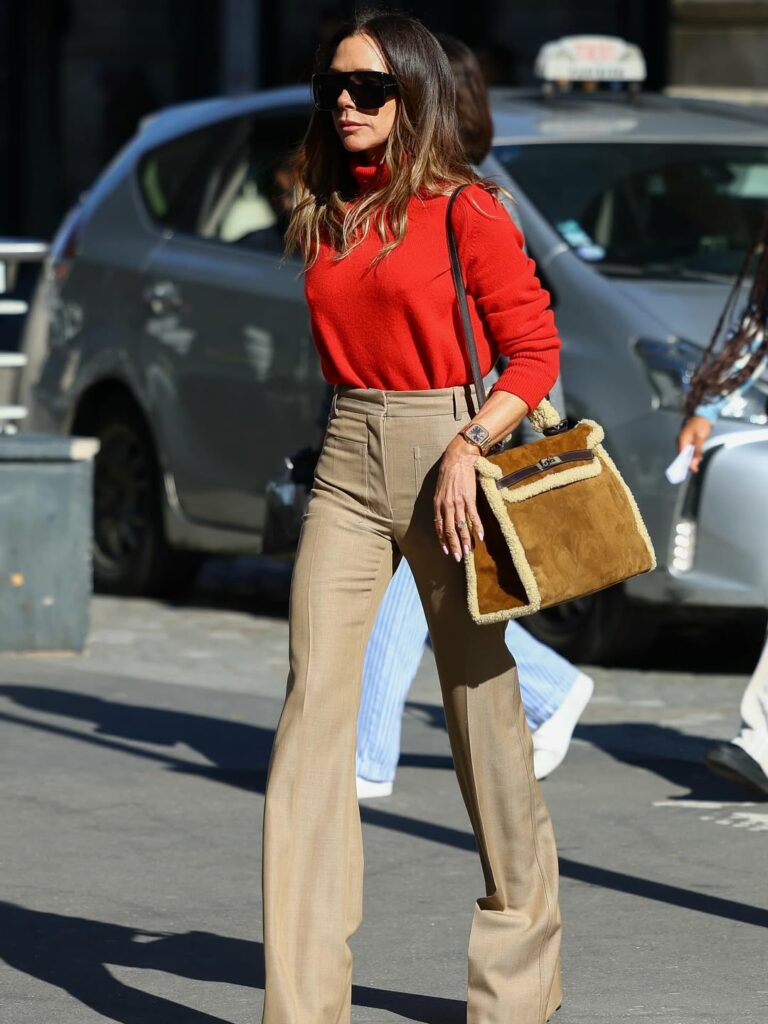
Photo Credit: Instagram
Beckham paired a tomato-red rollneck top from her own collection with high-waisted beige flare trousers. The combination focused on clean tailoring and a streamlined shape, relying on colour contrast and precise cut. Oversized sunglasses and a gold wristwatch completed the look.
The appearance came days before her runway presentation in Paris, where attention is building around her latest collection. Public outings linked to fashion week often serve to highlight a designer’s brand identity ahead of the show, particularly when the designer is also the label’s creative director.
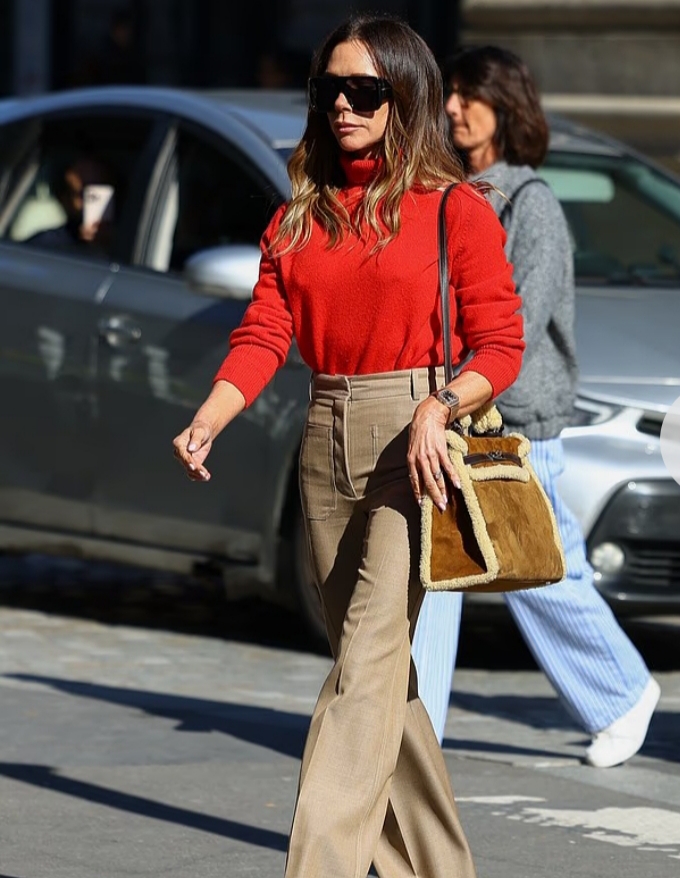
Photo Credit: Instagram
Interest in rare vintage luxury accessories continues to rise in contemporary fashion circles. Collectible handbags are frequently viewed as investment pieces as well as style items, with limited-run designs attracting strong secondary market demand.
Beckham’s Paris arrival reflects the commercial and editorial positioning common among modern designer brands, where travel appearances, show scheduling and personal styling are used to maintain momentum around seasonal collections. The outfit’s focus on tailoring, neutral structure and distinctive accessory choice aligns with the polished, wearable luxury associated with her brand.
Fashion
The Simplicity of London Fashion Week Street Style
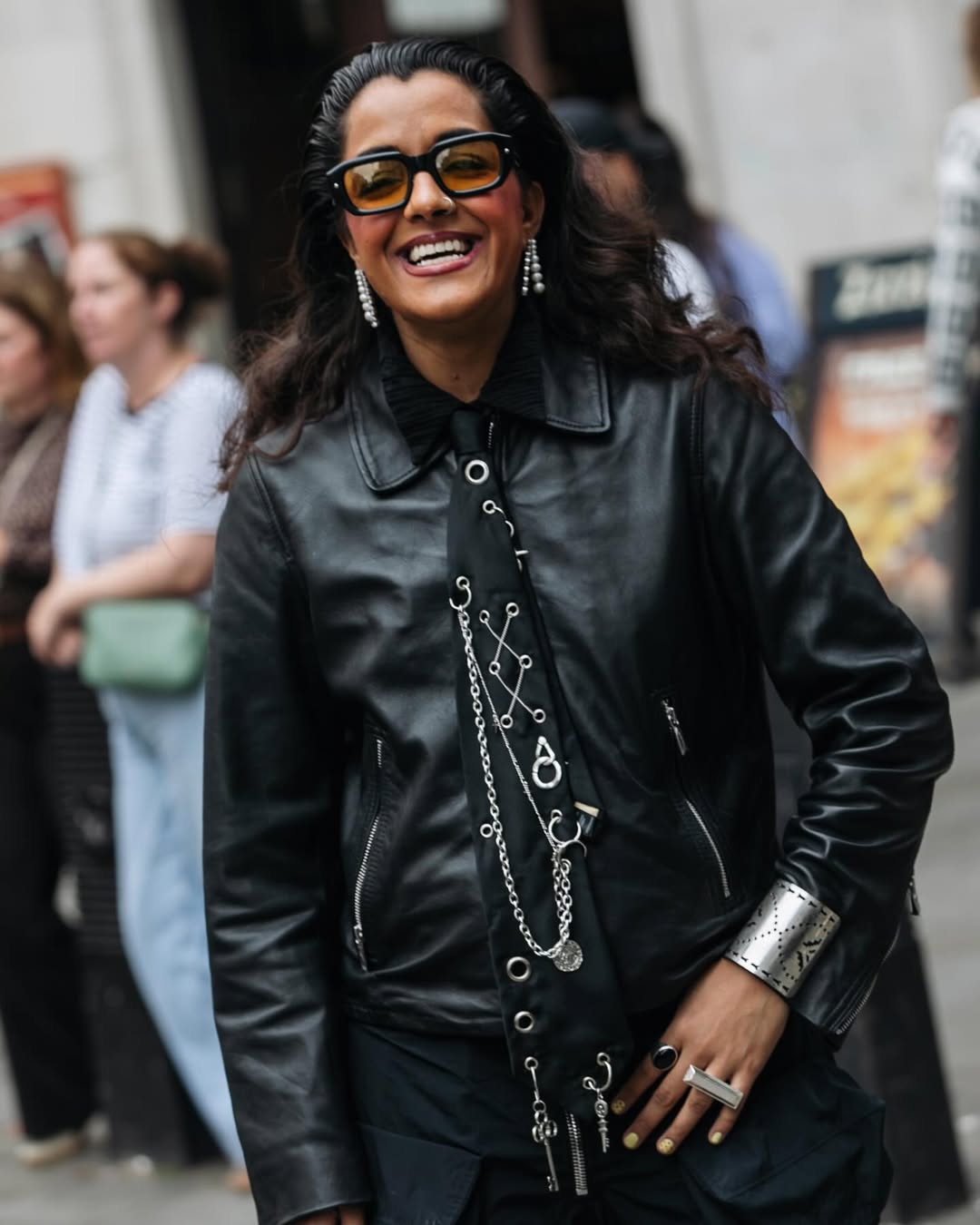
London Fashion Week has long been a testing ground for ideas that feel grounded in real life. The street style this season reflected that sensibility. Instead of exaggerated designs or attention-seeking statements, the focus was on fabrication and practical layering. What stood out was not volume or shock value, but how confidently attendees combined heritage references with modern cuts, shaping outfits that worked for the city as much as for the cameras.
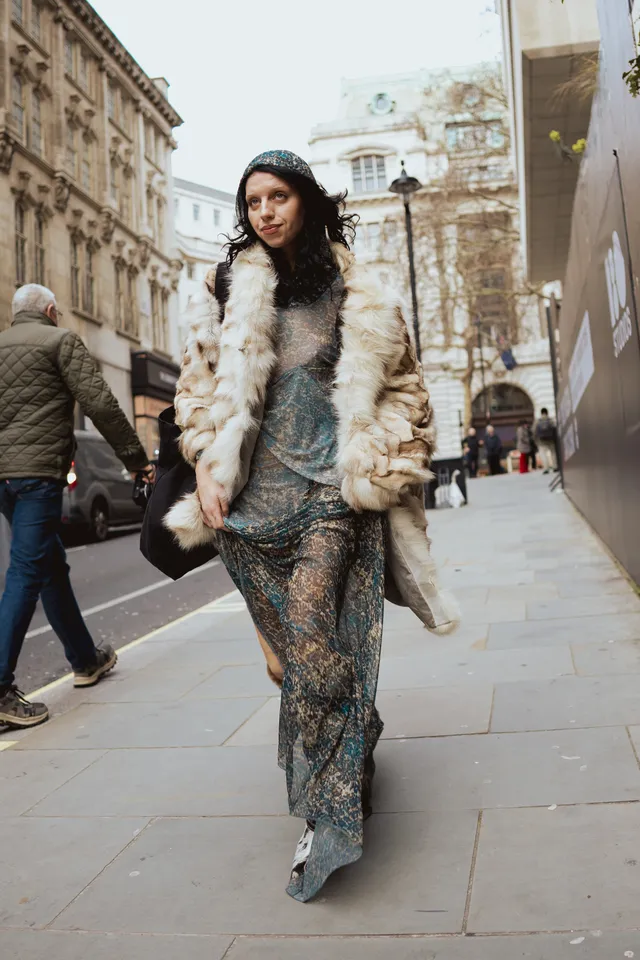
Photo: Getty Images
This season, classic British elements surfaced repeatedly, styled with updated balance in construction. Argyle knits were layered under oversized blazers and paired with relaxed trousers or structured skirts. Checked coats and kilts appeared throughout the week, grounded by practical footwear. Slouchy boots and polished flats replaced sculptural heels, keeping outfits visually coherent. Heritage fabrics were styled with contemporary cuts rather than retro references.
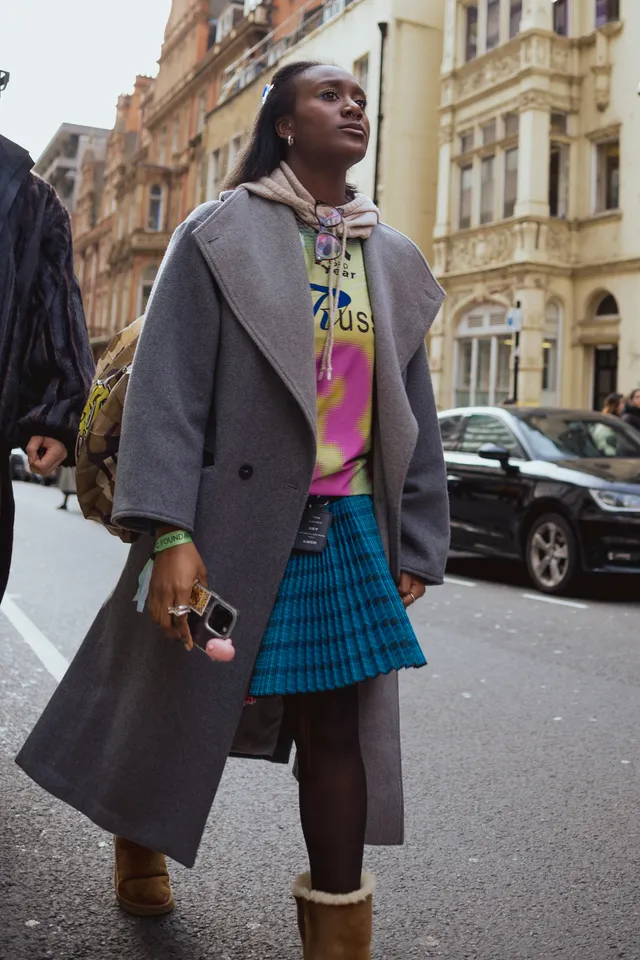
Photo: Getty Images
Outerwear shaped most looks across the week. Trench coats were worn loose over tailoring or cinched to define the waist. Leather jackets, both cropped and oversized, acted as central pieces rather than additions. Padded chore coats and structured wool overcoats were practical choices for February’s shifting temperatures. Matte leather, brushed wool and weatherproof finishes were layered together, introducing contrast while keeping the outfit clean and purposeful.
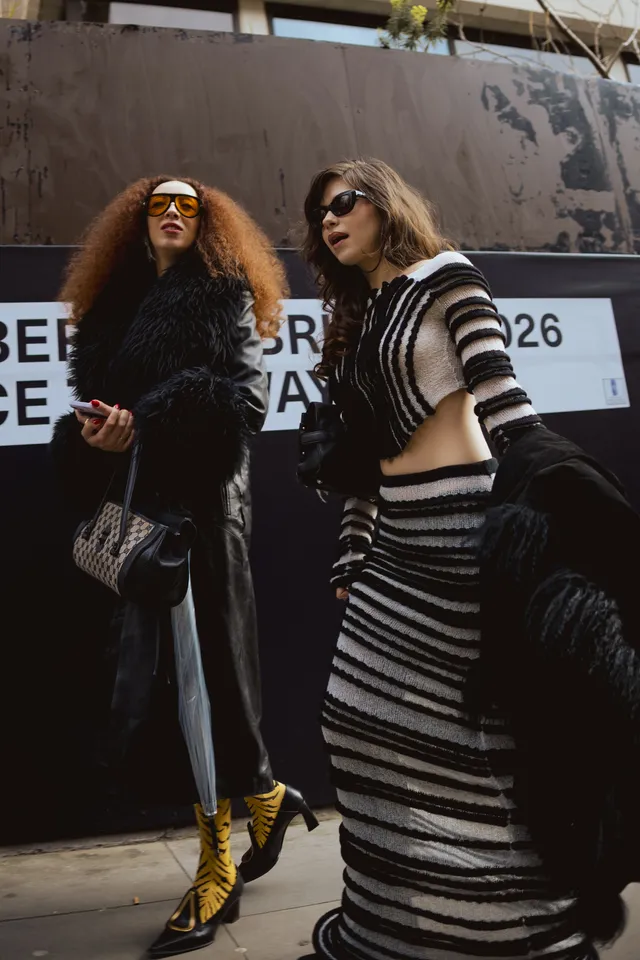
Photo: Getty Images
Print featured strongly but remained controlled. Zebra patterns were paired with neutral clothing pieces. Bold motifs were balanced with classic coats or straightforward denim. Even layered prints followed consistent colour themes. Coordinated colour choices kept combinations refined, with statement garments supported by clean tailoring or simple foundations.
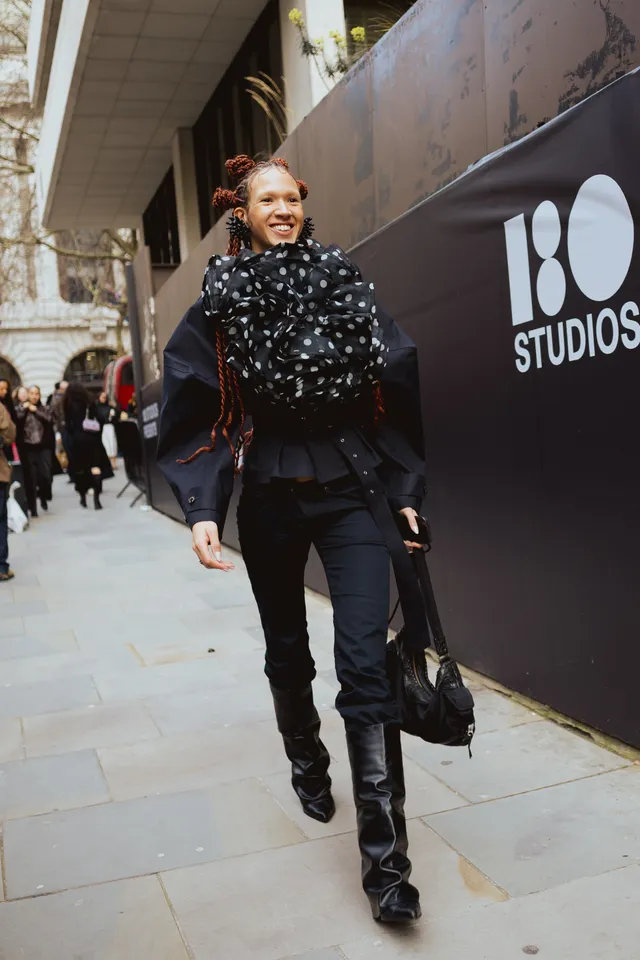
Photo: Getty Images
Accessories were chosen with practicality in mind. Structured leather bags were favoured. Footwear leaned toward durability: sturdy boots, manageable heels and ballet flats suited long days between venues. Socks worn with heels referenced preppy styling while remaining practical. Belts and scarves were used to shape outfits rather than serve as decoration.
A recurring feature among standout outfits was consistency in styling. Tailoring was softened with knitwear. Structured pieces were offset with relaxed layers. Rather than chasing a single dominant trend, attendees leaned into combinations that reflected established personal style.
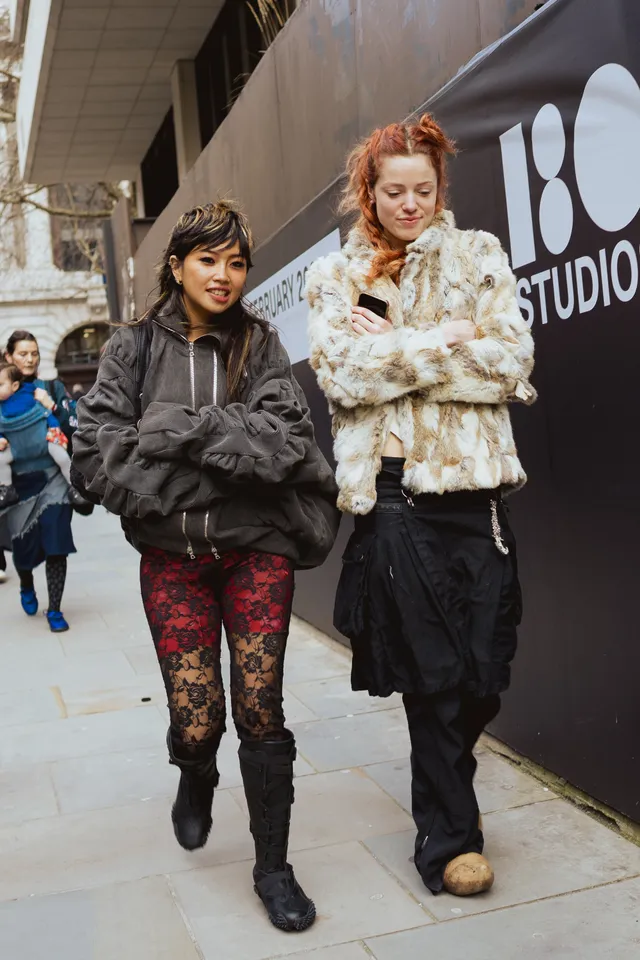
Photo: Getty Images
Compared with other fashion capitals, London presented a cohesive approach grounded in wearability. Outfits suited the city’s pace and climate, moving easily from show to meeting to evening event. Execution defined the strongest looks, with attention to construction and material choice.
That consistency remains a defining feature of London Fashion Week street style.
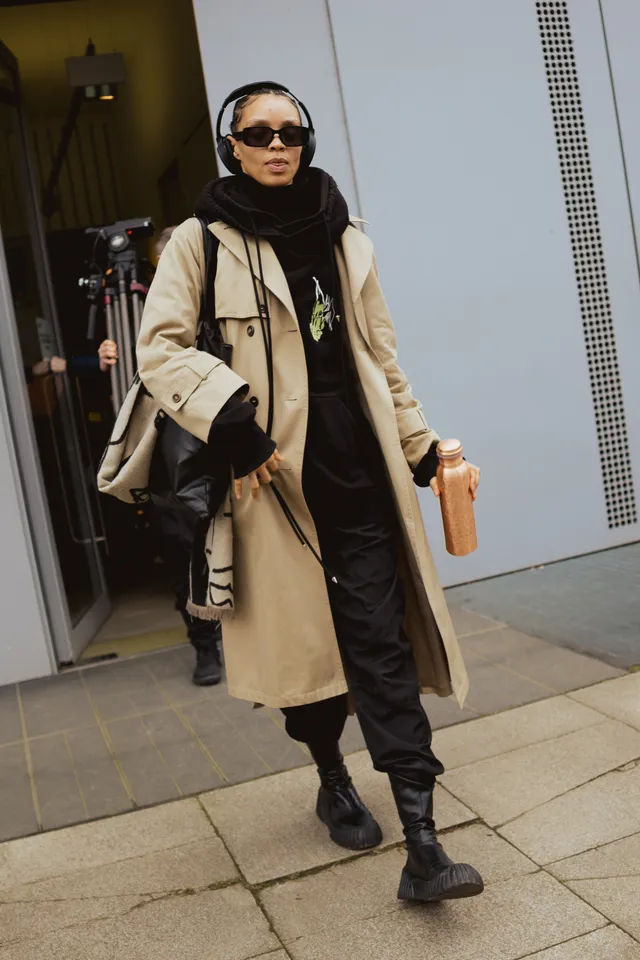
Photo: Getty Images
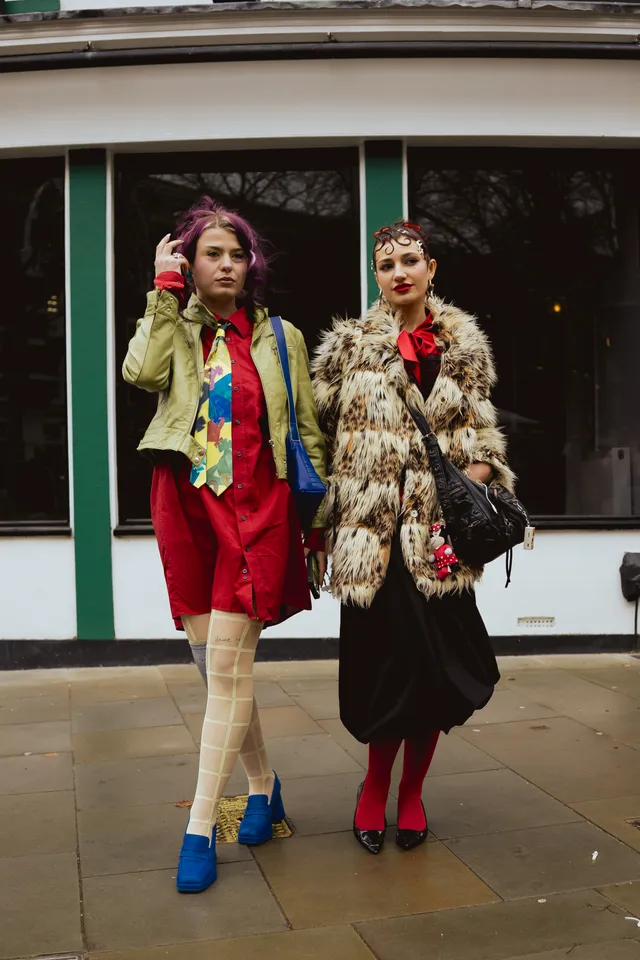
Photo: Getty Images
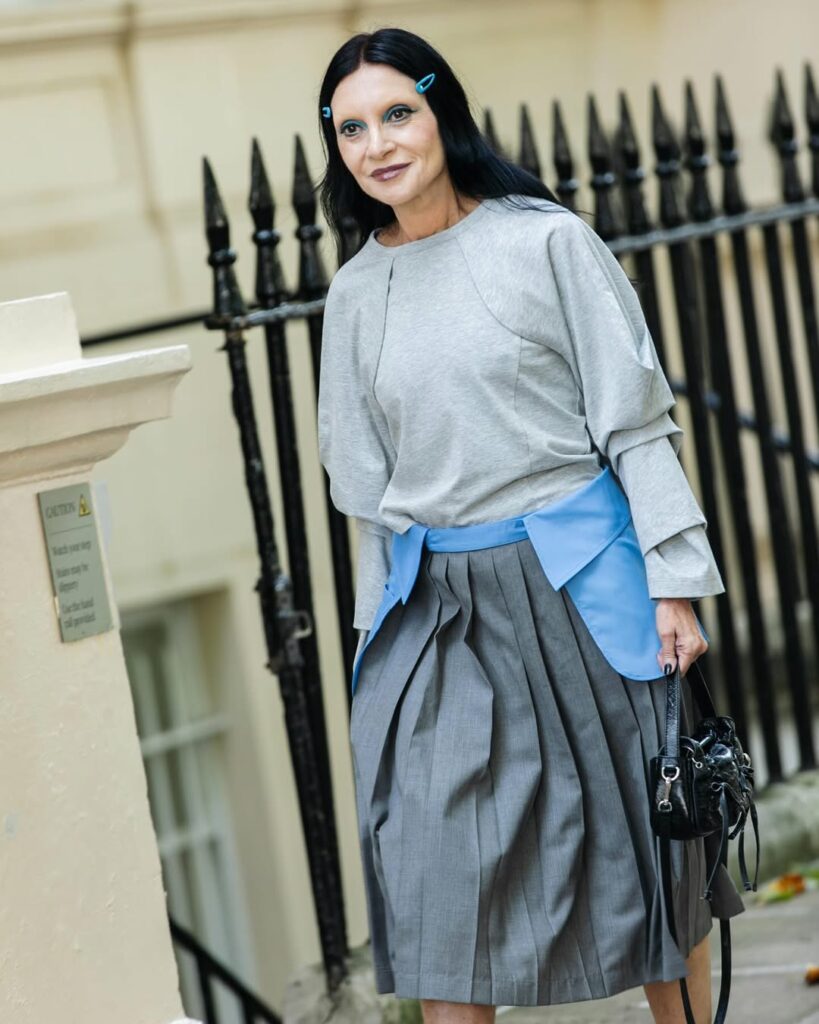
Photo – Deborahiona
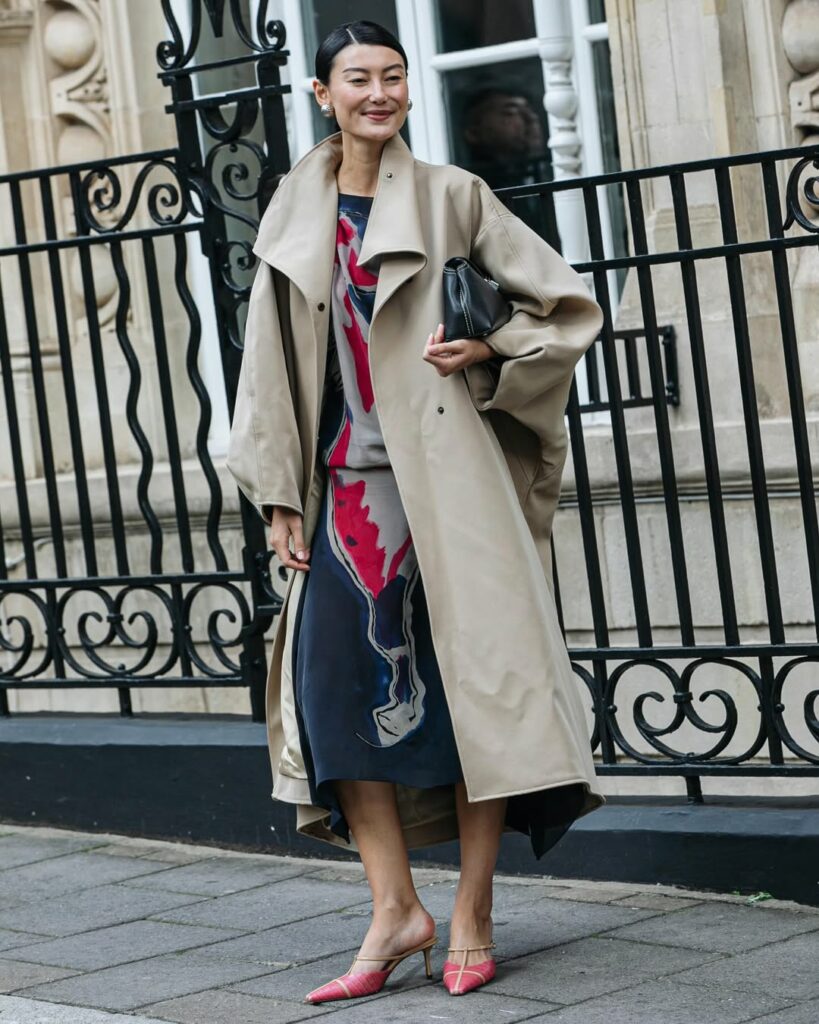
Photo – Deborahiona
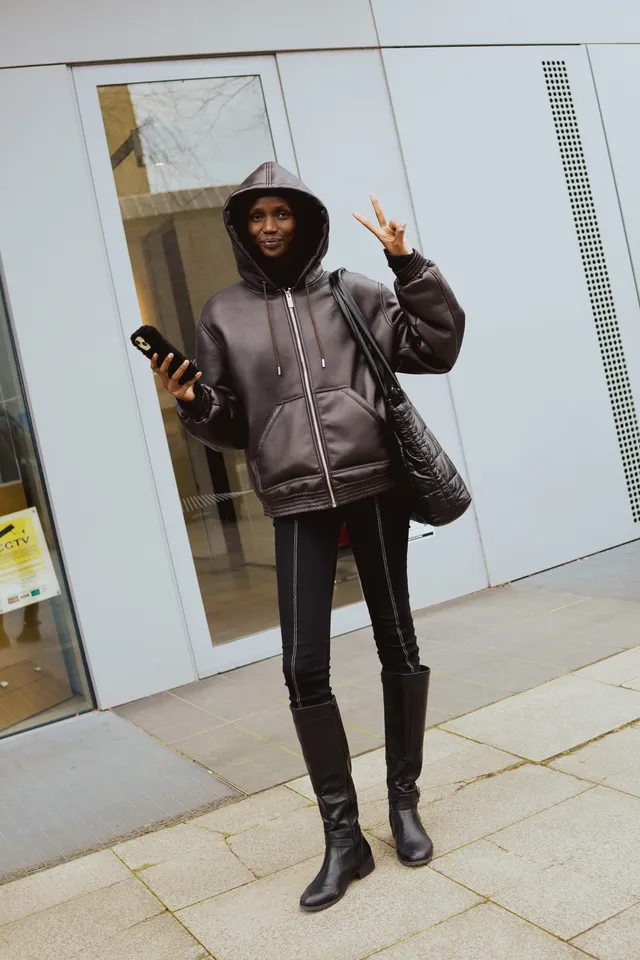
Photo: Getty
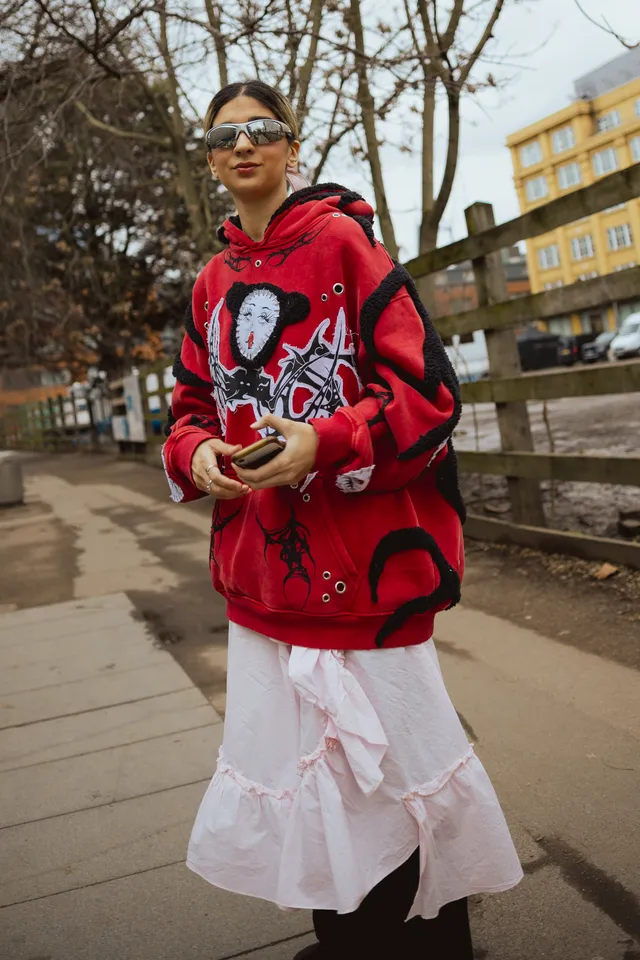
Photo: Getty
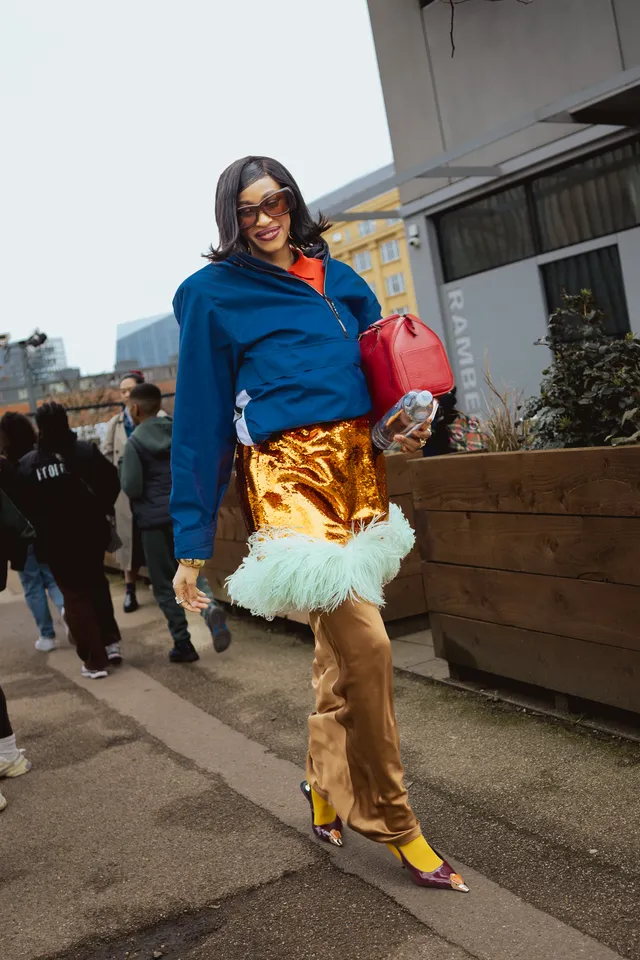
Photo: Getty
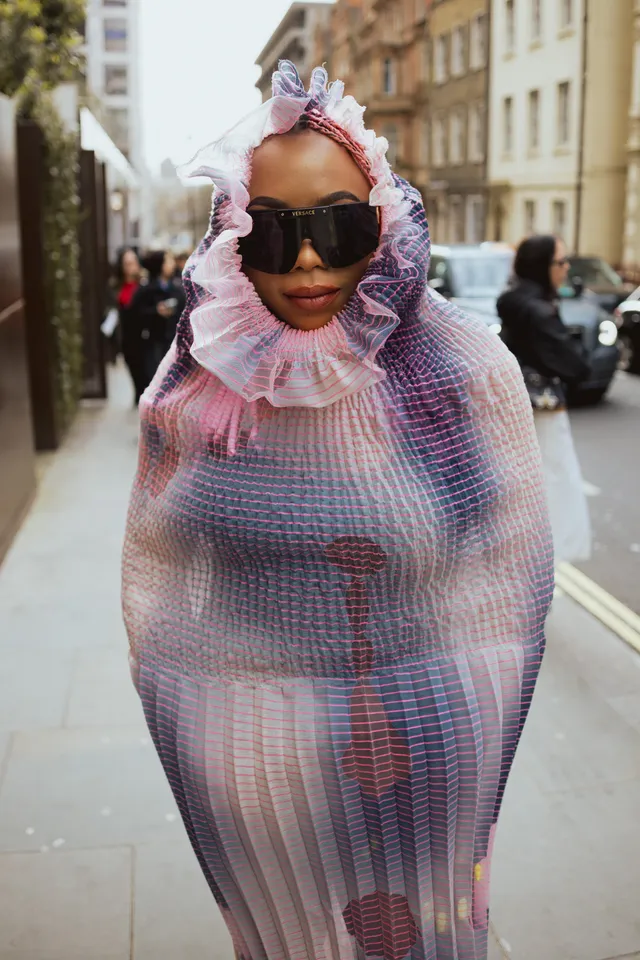
Photo: Getty
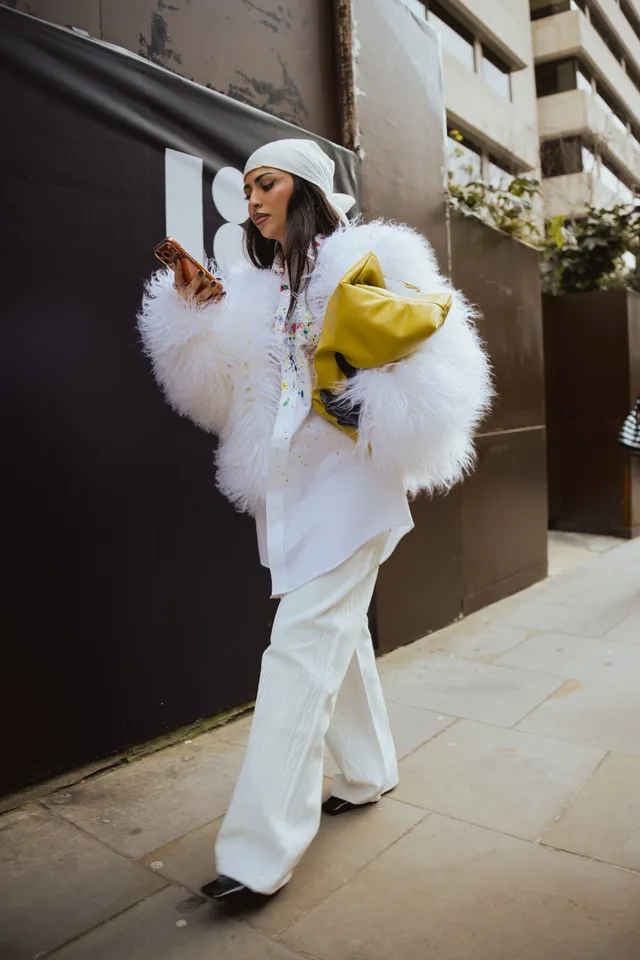
Photo: Getty
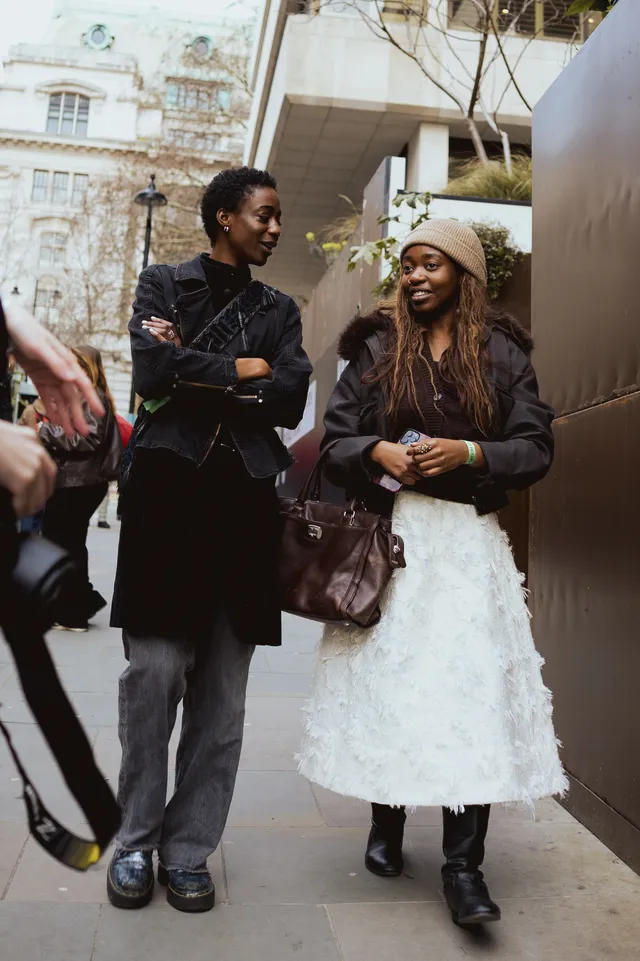
Photo: Getty
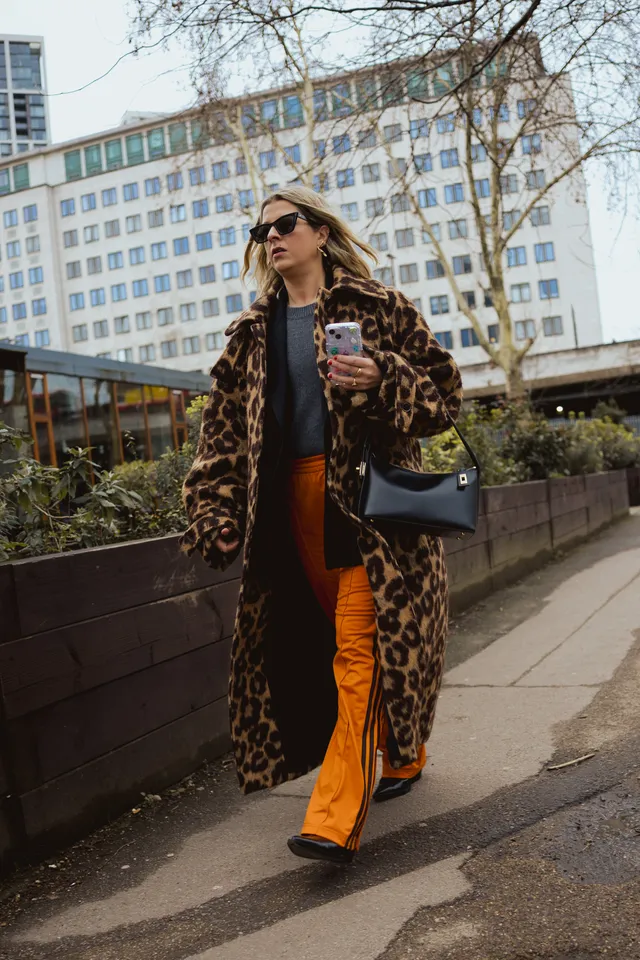
Photo: Getty
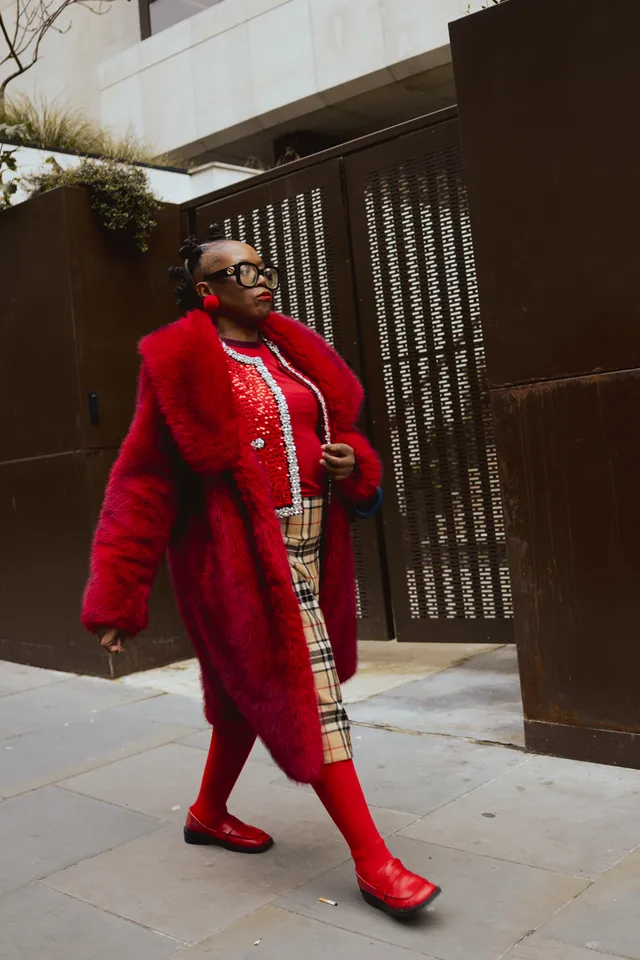
Photo: Getty
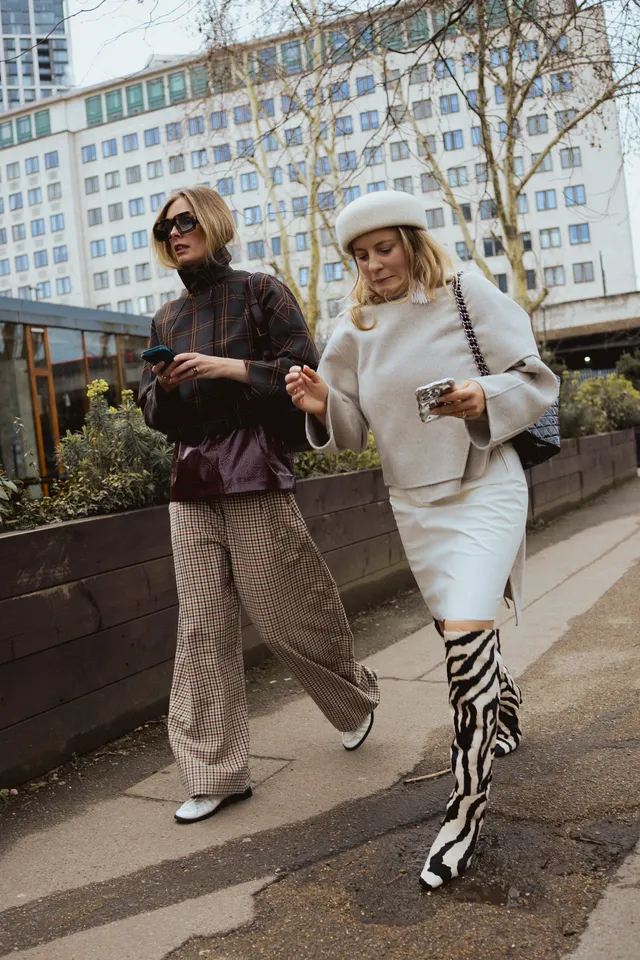
Photo: Getty
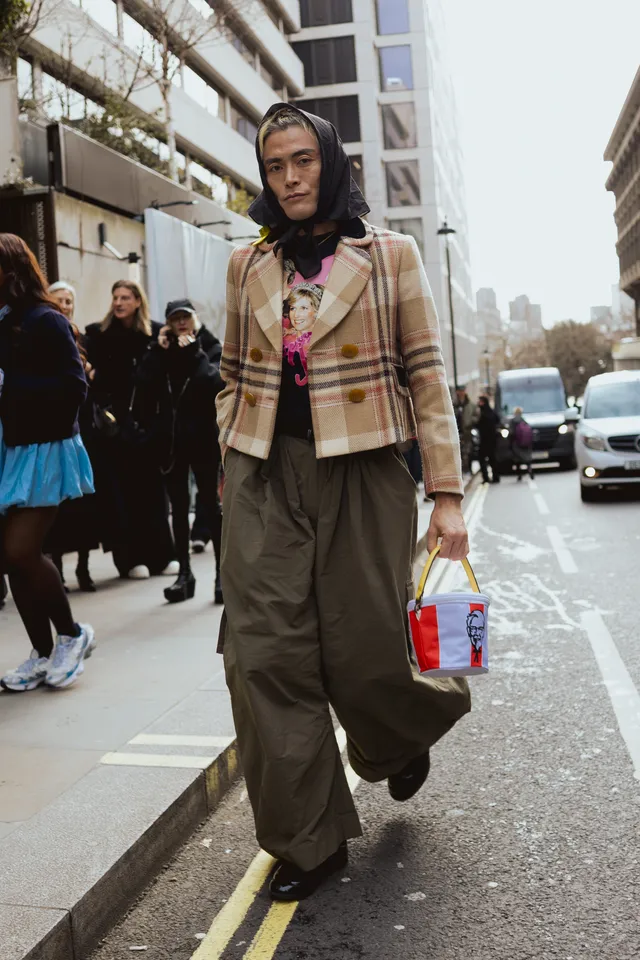
Photo: Getty
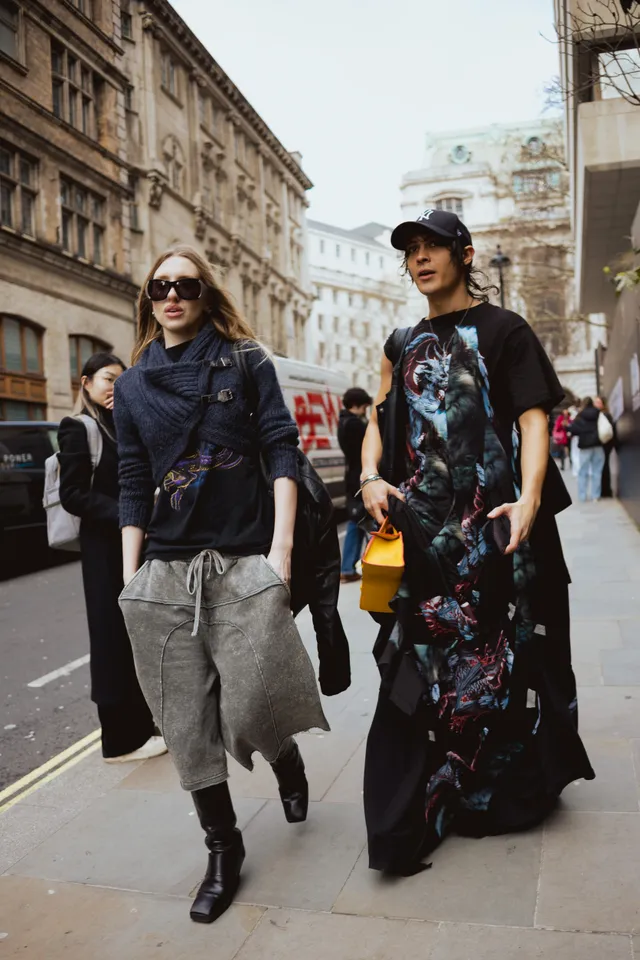
Photo: Getty
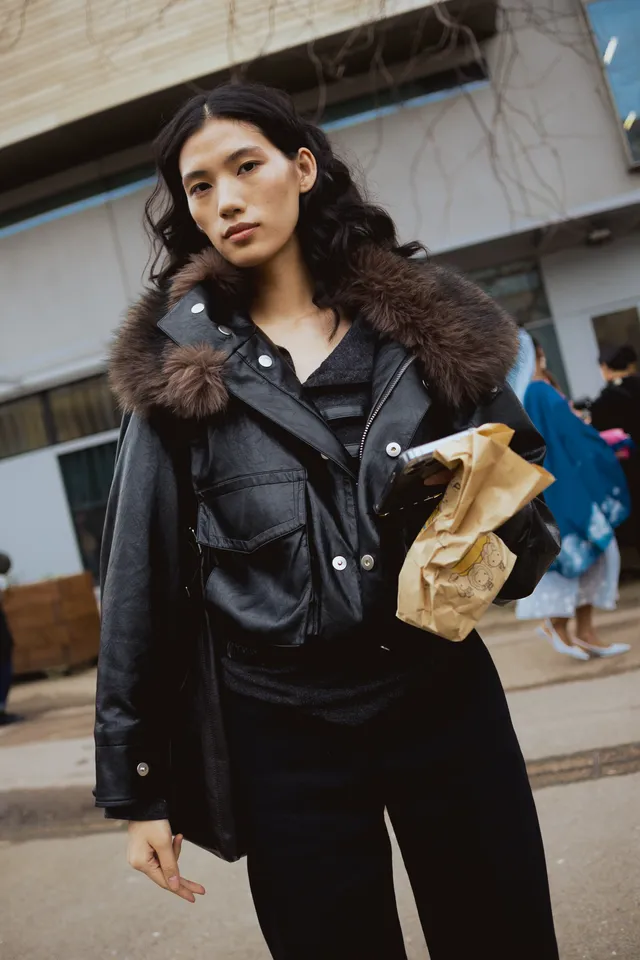
Photo: Getty
Fashion
King Charles III Makes Surprise Front-Row Appearance at Tolu Coker’s London Fashion Week Show
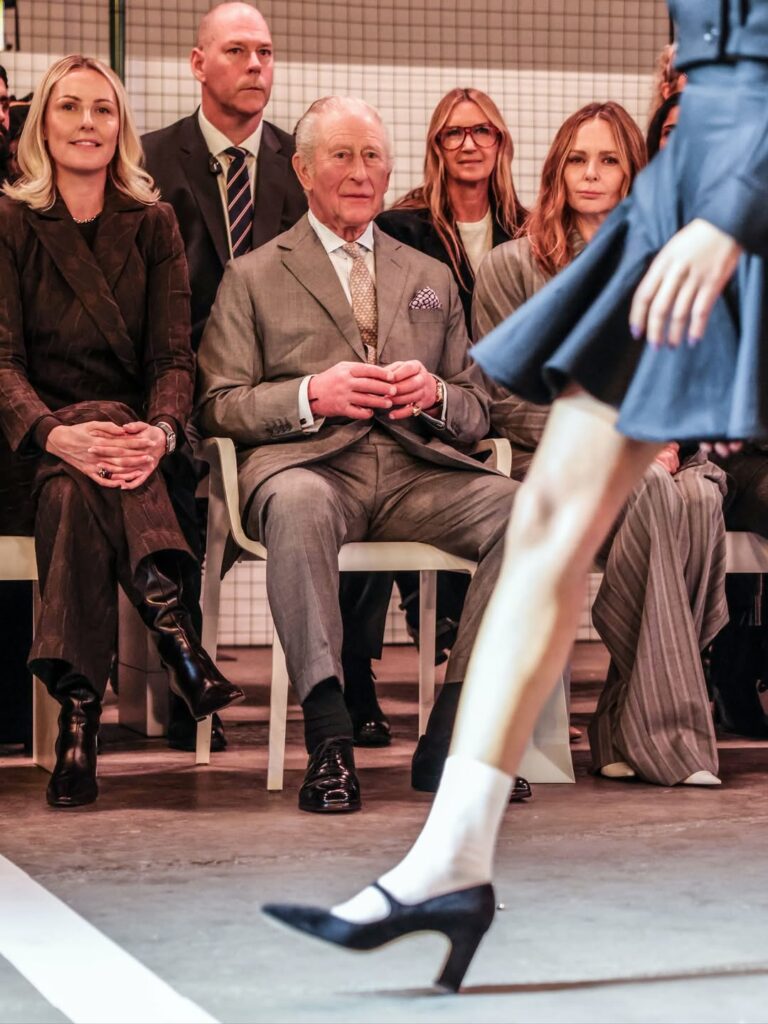
London Fashion Week opened on February 19, 2026, and is scheduled to run through February 23. King Charles III made a surprise appearance at the British-Nigerian designer Tolu Coker’s runway autumn/winter show at 180 Studios, marking the first time since 2018 that a senior royal has sat in the front row at London Fashion Week.
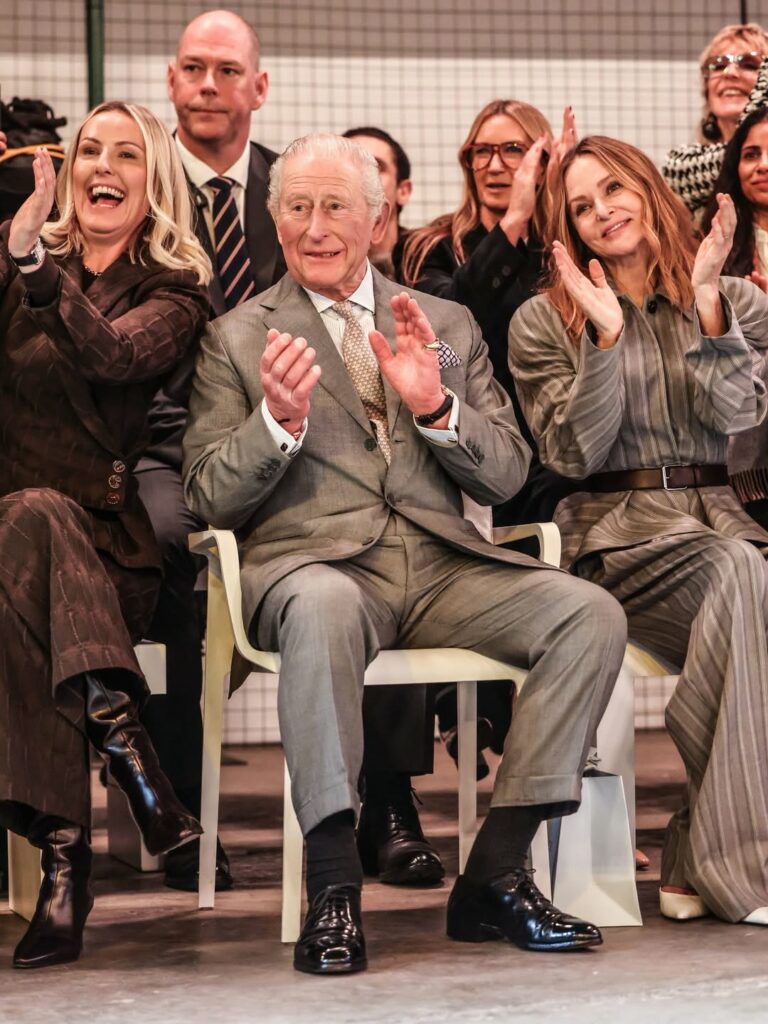
Photo: Getty Images
The King was seated in the front row next to fashion designer Stella McCartney and Laura Weir, CEO of the British Fashion Council. He wore a gray suit with a single-breasted jacket layered over a long white shirt, paired with matching trousers with folded hems. He completed the look with a patterned bronze tie and black shoes.
Tolu Coker launched her label in 2018 after graduating from Central Saint Martins. She is known for her unisex silhouettes that are rooted in modern storytelling. Coker was recently named a finalist for the LVMH Prize for Young Fashion Designers.
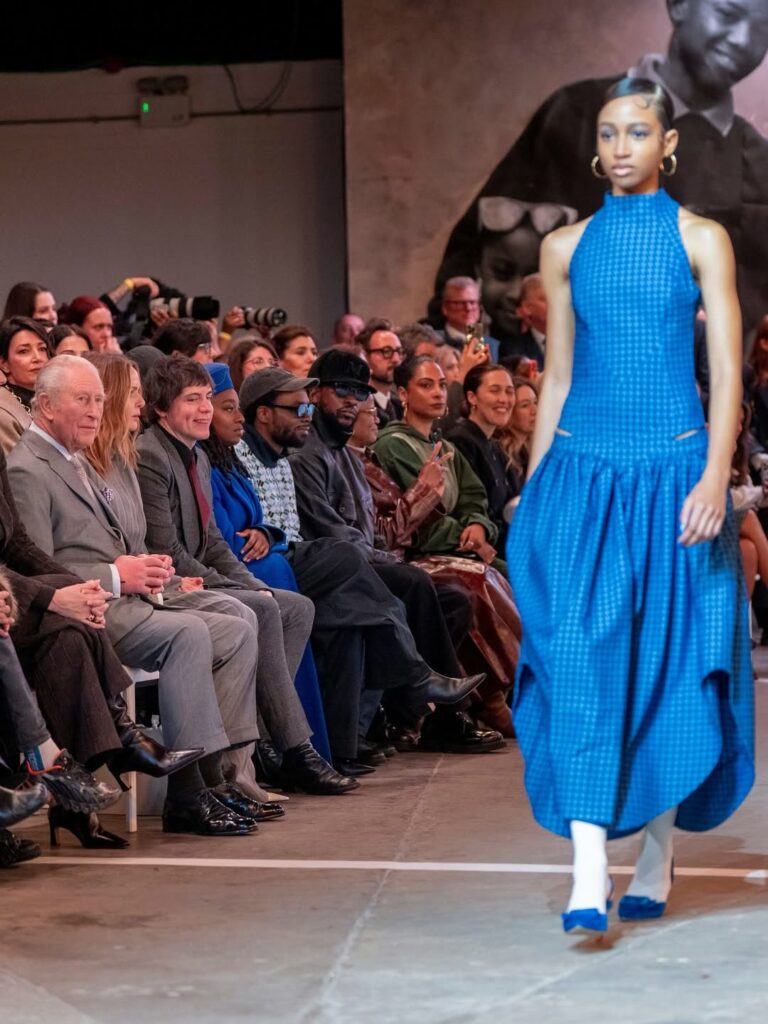
Photo: Getty Images
Coker is also a former beneficiary of The King’s Trust, founded by King Charles III, which provided mentorship and support when she started her brand. For her autumn/winter 2026 collection, she took inspiration from her upbringing on the Mozart Council Estate in West London.
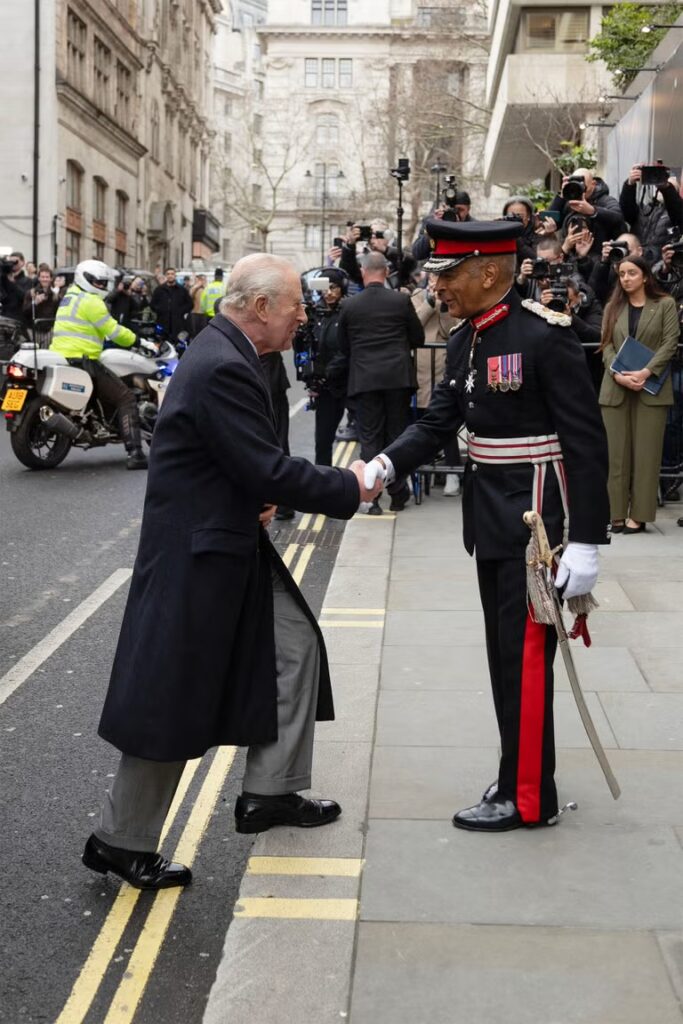
Photo: Getty Images
The King’s appearance at the show came hours after he addressed his concerns over his brother Andrew’s arrest, emphasizing that “the law must take its course.”
His attendance reinforced the designer’s rising influence and highlighted London Fashion Week as a platform for displaying diverse talent.

Kim Kardashian Reveals Icy Blue Contacts at the 2026 Vanity Fair Oscar Party

Heidi Klum Flaunts New Curves in Stunning Dress Following Menopause Weight Journey

Kylie Jenner Nearly Naked in Chanel Cape for Steamy Vanity Fair Shoot

Adele, She’s More than a Singer, She’s a Symbol of Love!

Adele & Paul Rich ! Engaged

Amy Winehouse – Back To Black

Megan Fox Shares First Bold Photos in Months as Machine Gun Kelly Sparks Reunion Rumours

Demi Moore Debuts Wavy Bob at Milan Fashion Week with Her Chihuahua in Front-Row Appearance

Idris Elba Teams Up with King Charles for Inspiring Netflix Doc
-

 Fashion7 months ago
Lisa Brings Labubu to Life at BLACKPINK’s London Show
-

 Fashion4 months ago
Hailey Bieber Is Firmly on Team Going‑Out Top
-

 Tech6 months ago
iPhone 17 Pro Max: Apple’s Boldest Upgrade
-
 Celebrity News7 months ago
Rita Ora Toasts Husband Taika Waititi on His 50th Birthday
-
 Music7 months ago
Ciara & Tyga’s “Dance With Me”: A Bold Revival That’s Got Fans Talking
-
 Music7 months ago
Cardi B Drops Imaginary Playerz and Sets the Tone
-
 Celebrity Style6 months ago
Naomi Campbell Teams Up with Tolu Coker for Spring 2026 Collection
-
 Celebrity Style6 months ago
Rita Ora and Primark Reveal Autumn/Winter 2025 Collection
You must be logged in to post a comment Login