
Celebrity News
Anthony Joshua Speaks Out After Tragic Loss of Two Close Friends
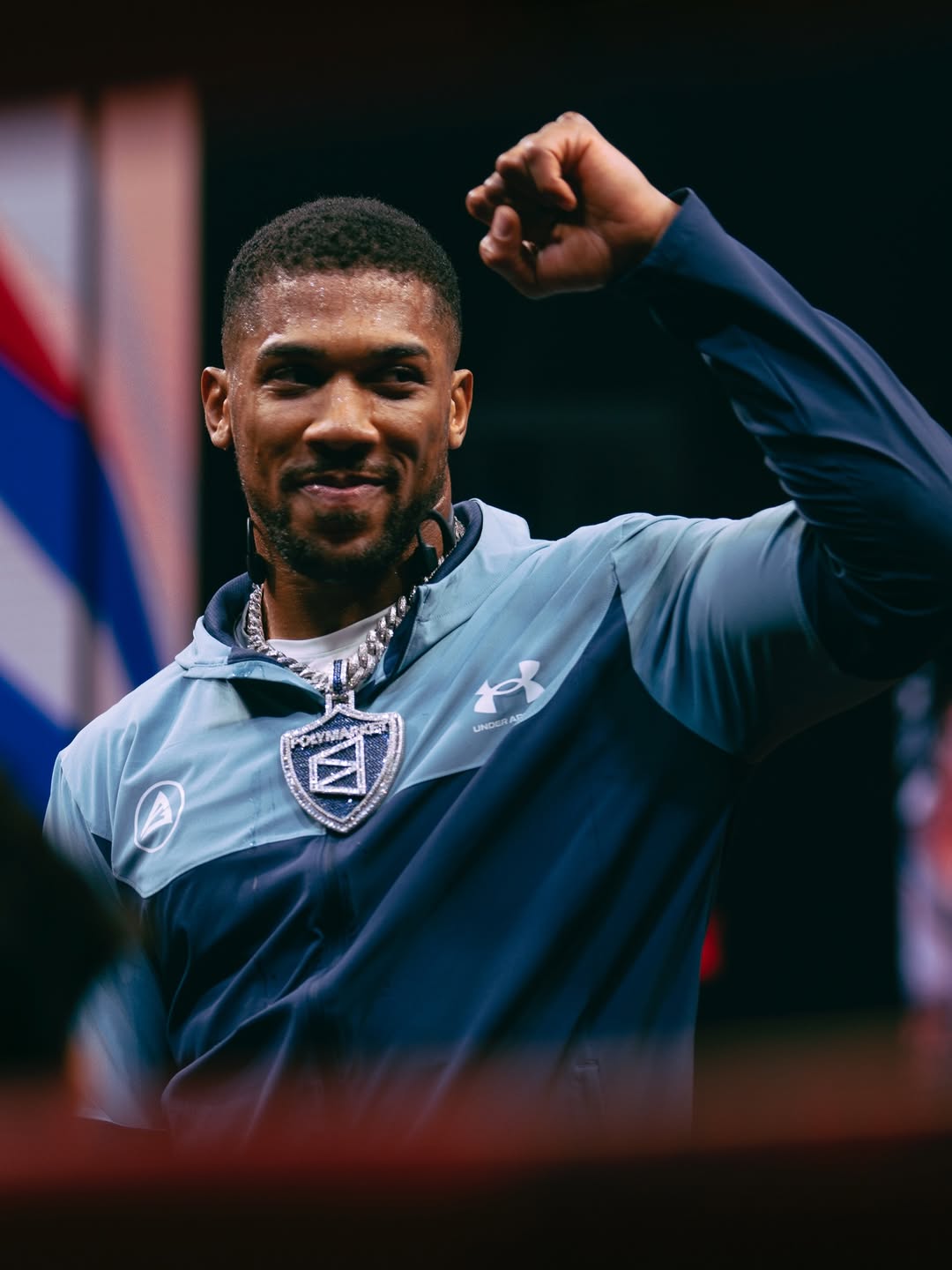
Anthony Joshua appeared in a recent video on his social media channels to speak about the deaths of two close friends. The clip was short and straightforward, with no attempt to present it as an announcement or a career update. Instead, he spoke about the loss without attempting to define or justify it.
The incident occurred in Nigeria in late December and resulted in the deaths of two men who had been closely involved in Joshua’s daily life and work for years. Joshua survived the crash and later confirmed that he has been recovering physically, but the emotional impact, as he explained, remains unresolved. What was intended as a routine visit home became something else entirely, leaving him to deal with the sudden absence of people he had expected to keep moving forward with.

Anthony Joshua – Instagram
In the video, Joshua was precise in how he spoke about the men he lost. He did not describe them as staff or background figures within his career. He spoke about shared living spaces, constant travel and plans that extended beyond training camps or fight schedules. Their presence, he said, influenced his decisions and routines in ways he only fully recognised after they were gone. Despite being known publicly for his physical strength, Joshua acknowledged that they had provided a sense of security he had not previously examined.
Much of what he said returned to responsibility rather than emotion. His focus was on doing right by the families left behind and continuing what his friends had already been involved in. He avoided turning the loss into symbolism or folding it into a wider story about legacy. There was no attempt to draw lessons from it or present it as part of a personal arc. The emphasis stayed on obligation and practical action.

Anthony Joshua – Instagram
Joshua also made clear that he is still processing what happened. He did not describe the experience as motivating or clarifying, and he did not suggest that perspective had arrived neatly. The tone of the video reflected uncertainty rather than resolution, and an acceptance that some experiences do not lend themselves to immediate understanding. For now, he indicated, the task is learning how to function in altered circumstances.
Notably absent from the video was any discussion of boxing. Joshua did not reference future fights, rankings or timelines. The omission felt deliberate rather than evasive. People around him have indicated that professional decisions are not being rushed, a position that aligns with the focus of the video itself.

He briefly acknowledged the messages he has received from supporters in the UK and elsewhere. He did not dwell on them, but he made clear that the response has been felt by both him and the families affected.
The video does not act as closure or explanation. It offers no resolution and resists interpretation. What it provides instead is a record of interruption: routine disrupted, priorities reordered, and decisions consciously delayed. It shows Anthony Joshua away from competition and expectation, dealing with loss without attempting to control how it is understood.


Celebrity News
Kylie Jenner Nearly Naked in Chanel Cape for Steamy Vanity Fair Shoot

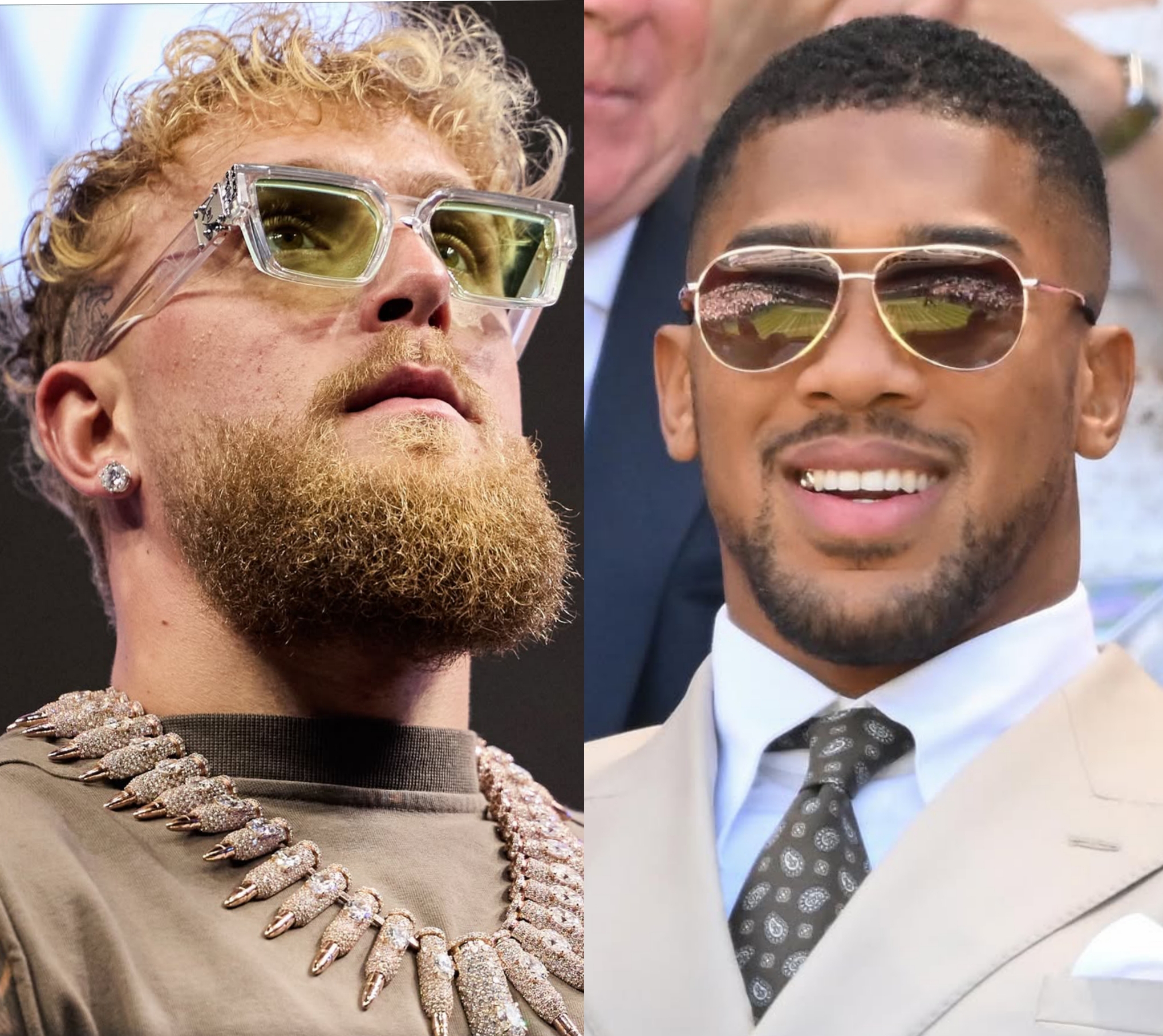
Reality star and beauty entrepreneur Kylie Jenner is featured in an editorial spread for Vanity Fair. The Spring 2026 issue features the 28-year-old in a photoshoot accompanied by an interview discussing her career.
One photograph shows Jenner walking through an interior setting wearing high heels and a black cape from Chanel. The bow-style cape is tied at the neck and drapes down her back. The image was photographed by Mert Alas.

Photo: Mert Alas
The editorial features additional looks. In one image, Jenner lies on a bed wearing stockings while covering her chest with her hands. Another shows her reclining in a ruffled emerald-green gown, while a separate portrait features her in a black bra with smoky makeup and bleached eyebrows. Designers featured in the spread include Saint Laurent, Dolce & Gabbana, Hermès, Valentino, and Miu Miu.
In the interview, Jenner discusses her life and career. After building a major presence in the beauty industry with Kylie Cosmetics, she has expressed interest in expanding her work into other areas of entertainment, including potential acting projects and collaborations.

Photo: Mert Alas
The interview also discusses her rise to fame. Jenner first became widely known through the reality series Keeping Up with the Kardashians, which introduced her to international audiences at a young age. By her early twenties she had built a large social-media following, which supported the growth of her cosmetics business and other partnerships.
Jenner is the mother of two children, daughter Stormi and son Aire, whom she shares with rapper Travis Scott. Speaking about the future in the Vanity Fair interview, she said she still hopes to expand her family.
“I want to focus on just me, my businesses, my work, traveling with my kids, enjoying my kids,” Jenner said, before adding, “and then, I do want to have more kids.”
Photo: Mert Alas
The spread has sparked online discussion. Some fans praised the styling in the photoshoot, while others questioned the magazine’s portrayal of the reality star as a major cultural figure.
Regardless of the response, the feature reflects the continued public attention surrounding Jenner. Nearly two decades after first appearing on television, she remains widely followed on social media and continues to attract interest through fashion campaigns, business ventures, and entertainment projects.
Celebrity News
Justin Bieber Holds Hailey Close After Lunch at South Beverly Grill in Beverly Hills
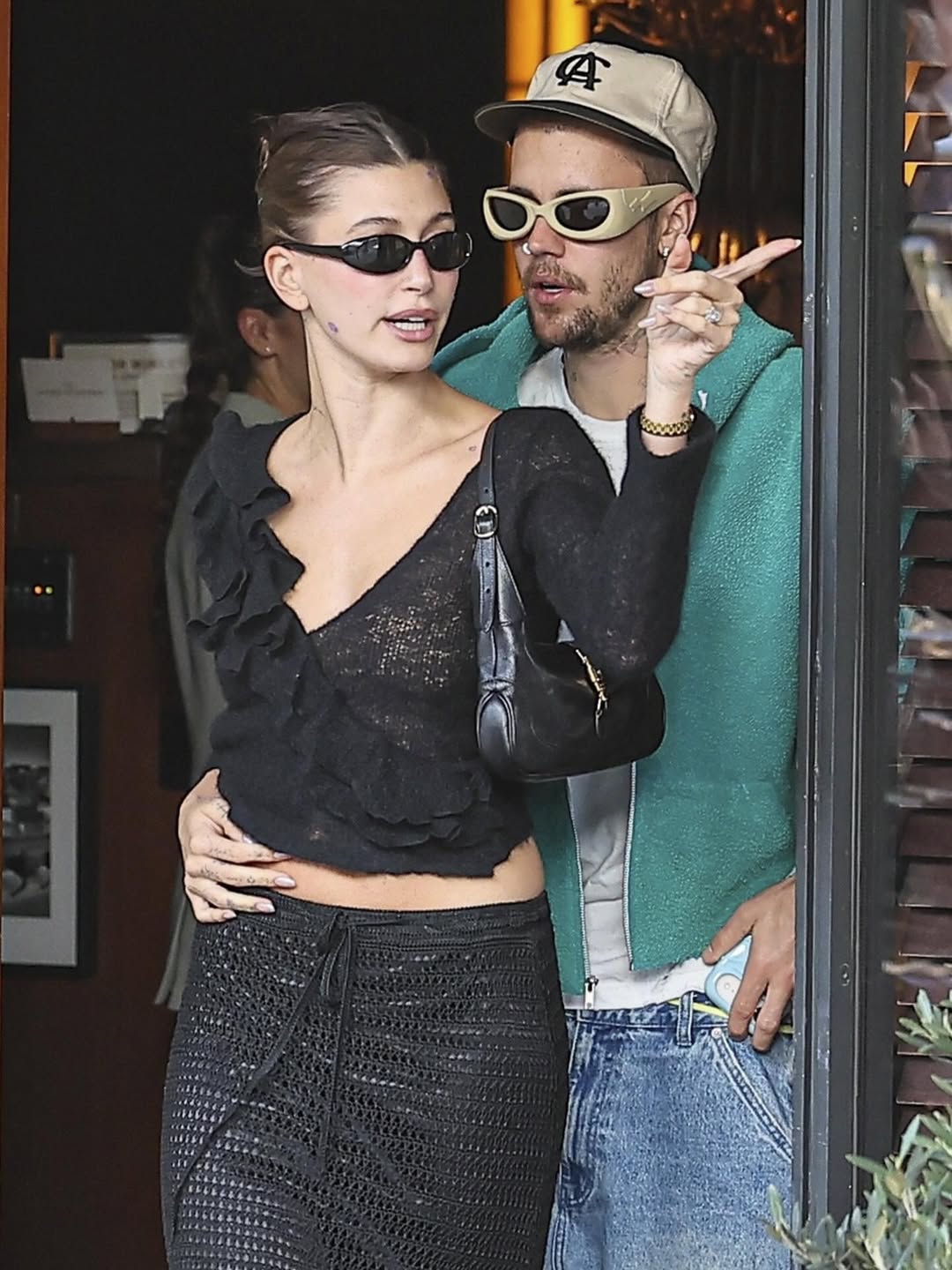
Justin Bieber and Hailey Bieber were spotted leaving lunch together in Beverly Hills on Friday afternoon.
Photographers captured the couple outside South Beverly Grill after they finished their meal. As they walked towards their car, Justin kept his arms around Hailey while following closely behind her through the parking area.
Photos from the outing show Hailey walking ahead while Justin held her around the waist as they made their way from the restaurant. The two stayed close together during the brief walk before getting into their vehicle.
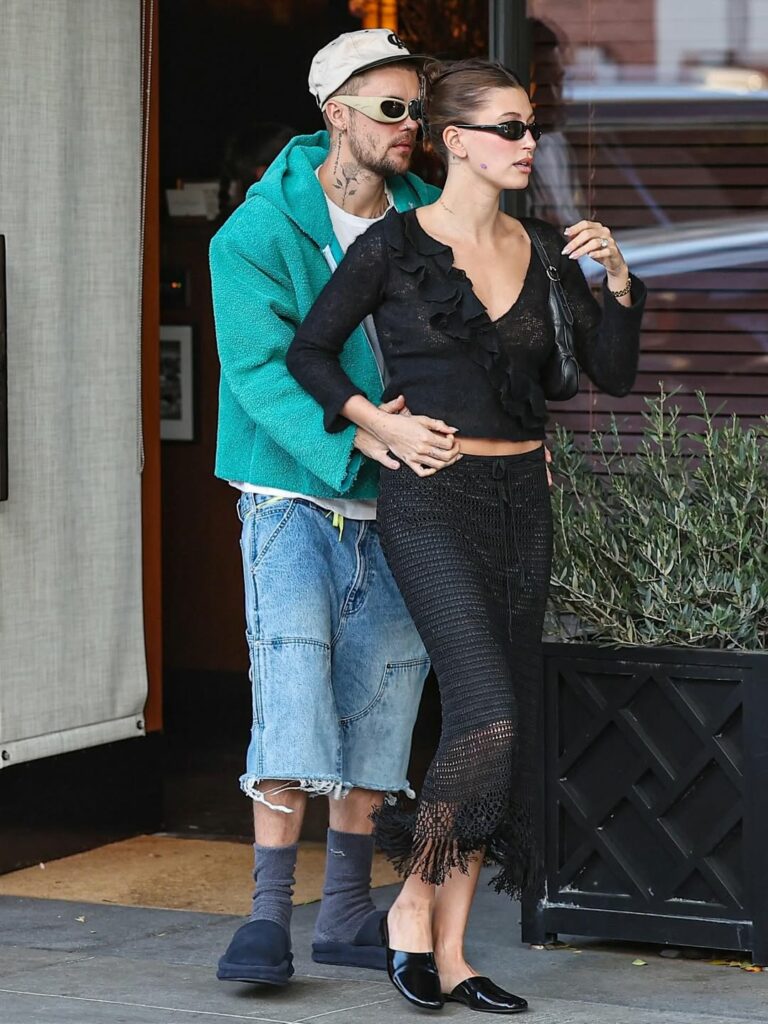
Photo: Backgrid
For the outing, Hailey wore a simple all-black look often seen in her daytime street style. Justin also kept things casual, wearing a relaxed outfit similar to styles he has appeared in during recent public outings. The couple did not stop to speak with photographers and headed directly to their car after leaving the restaurant.
The sighting came days after Justin celebrated his 32nd birthday earlier in the week. The singer has recently spent time travelling with family, including a trip to Japan that Hailey shared on social media through photos from their time there.
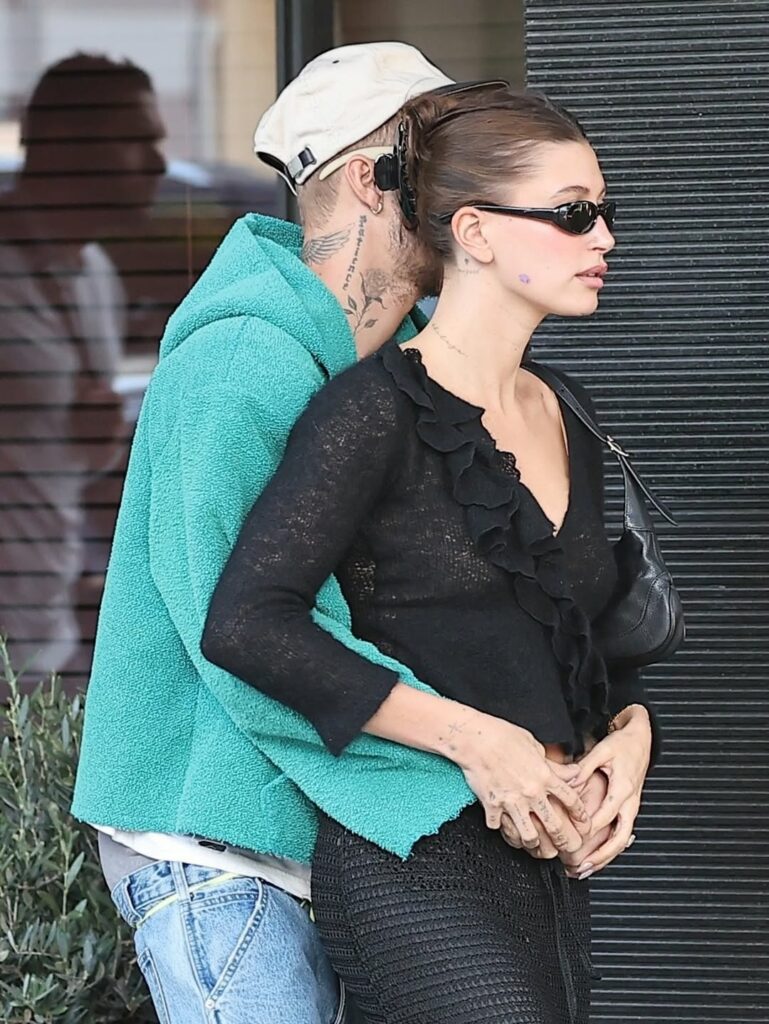
Photo: Backgrid
Justin and Hailey married in 2018 after reconnecting years after their earlier relationship. They have since remained among the most closely followed celebrity couples, frequently appearing together at public events and during casual outings around Los Angeles.
In August 2024, they welcomed their first child, a son named Jack Blues Bieber. Since then, many of their public appearances have involved everyday outings such as coffee runs, dinners and lunch dates in Los Angeles neighbourhoods including Beverly Hills.
Friday’s lunch outing followed a similar routine. The couple left the restaurant together and walked to their car, with Justin keeping an arm around Hailey as photographers captured the moment outside the venue.
Celebrity News
Stella McCartney Named Chevalier of France’s Légion d’Honneur
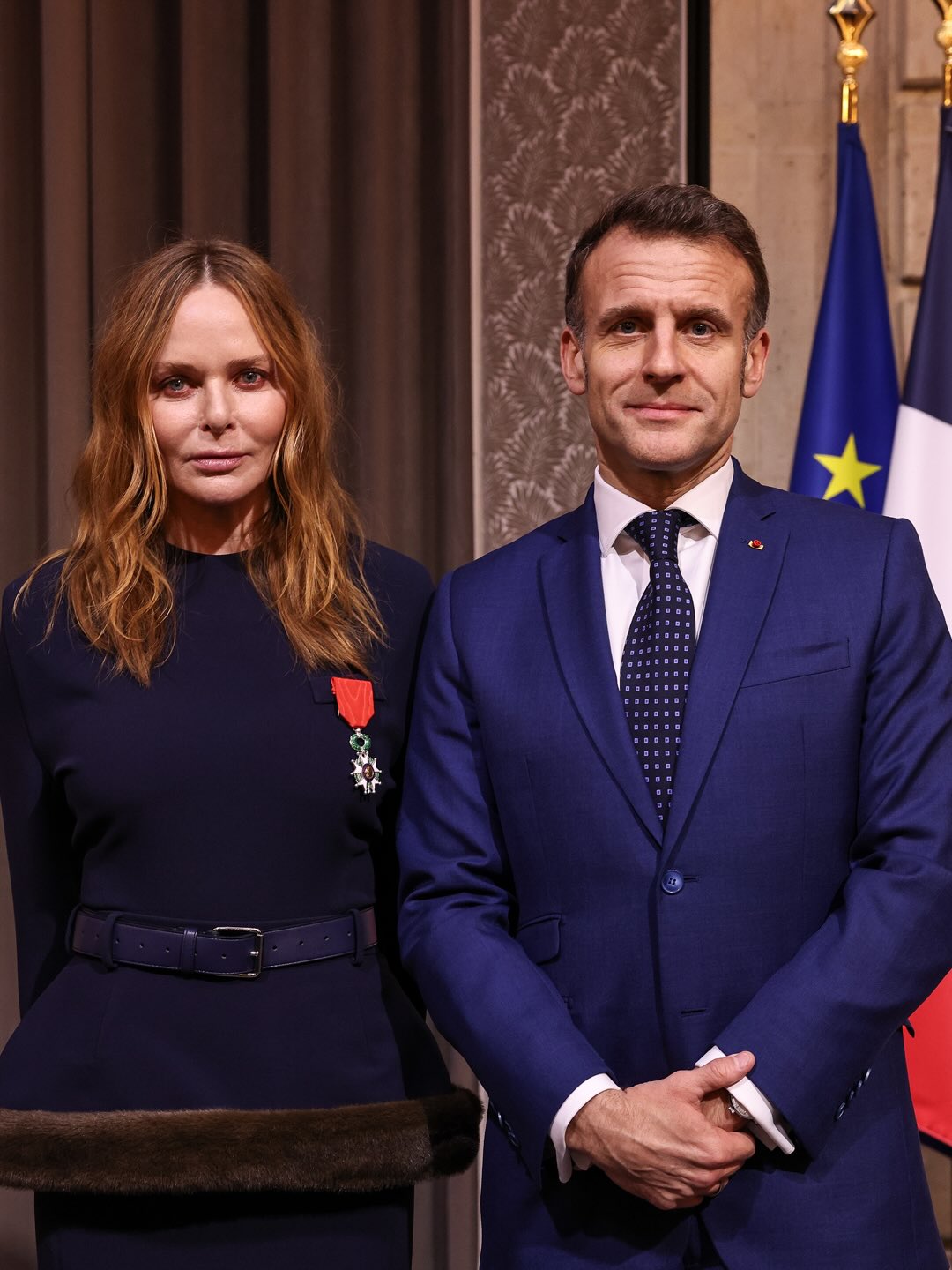
Stella McCartney has received France’s highest national honour. She was named a Chevalier of the Légion d’Honneur during a ceremony at the Élysée Palace, where the award was presented by Emmanuel Macron.
Established in 1802 by Napoleon Bonaparte, the Légion d’Honneur is the highest order of merit in France. It recognises individuals who have made significant contributions to the country or to wider international cultural and professional life. The honour is sometimes awarded to non-French citizens.
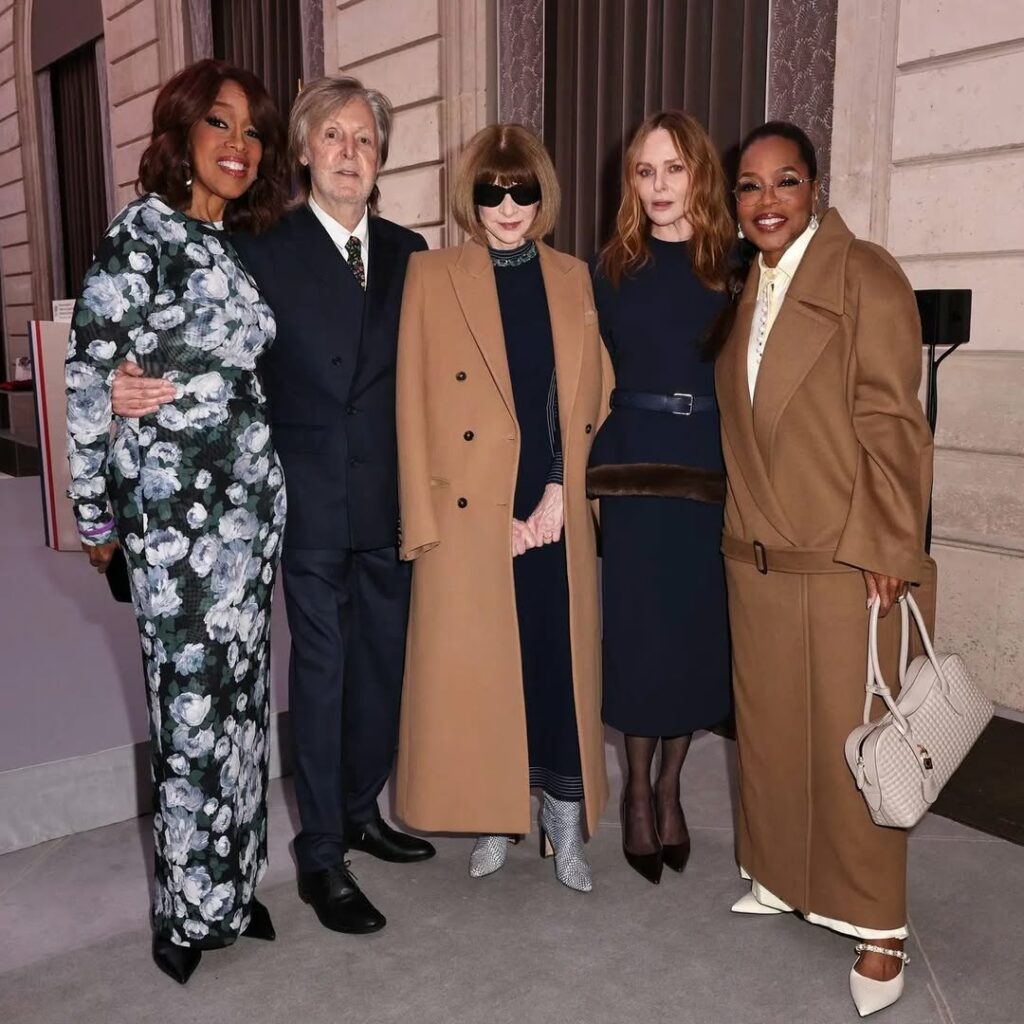
Photo – Instagram
The ceremony was attended by a small group of guests including McCartney’s father, Paul McCartney, media executive Oprah Winfrey and fashion editor Anna Wintour.
McCartney launched her fashion label in 2001 and has consistently avoided the use of leather and fur in her collections. The brand has focused on developing alternatives to animal-derived materials and exploring lower-impact production processes.
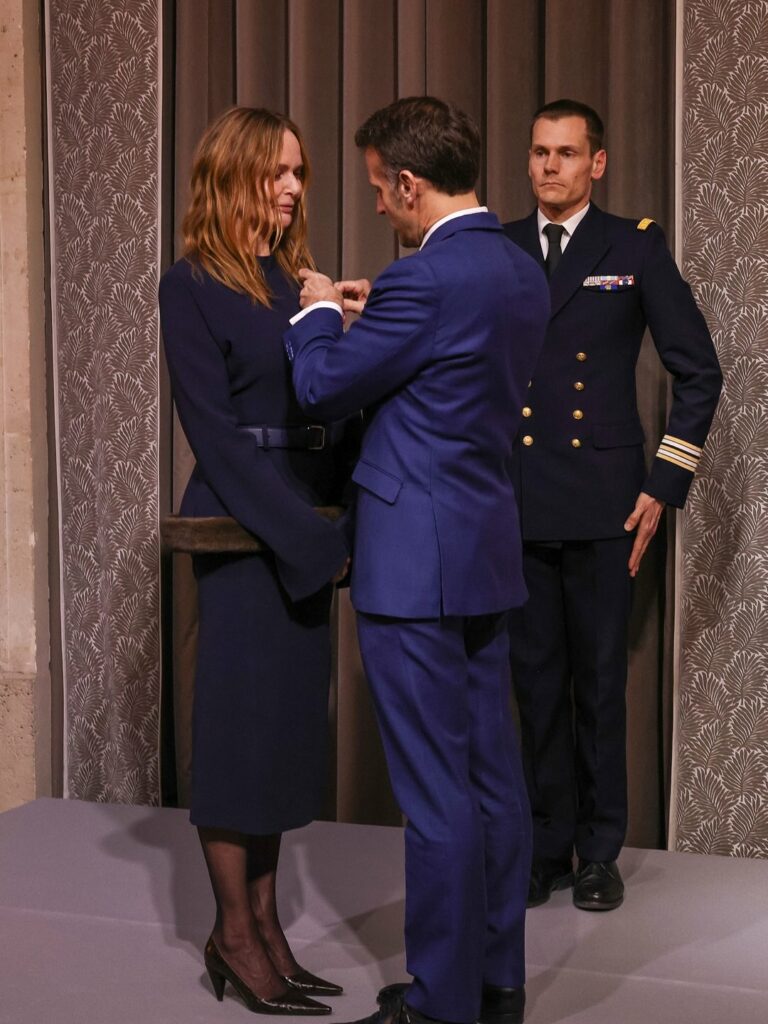
Photo – Instagram
France has played a role in her professional career. Early on, she trained in Paris and completed an internship with the couture house founded by Christian Lacroix. In 1997 she was appointed creative director of the Paris-based fashion label Chloé, succeeding Karl Lagerfeld. She has continued to present collections in the city as part of Paris Fashion Week.
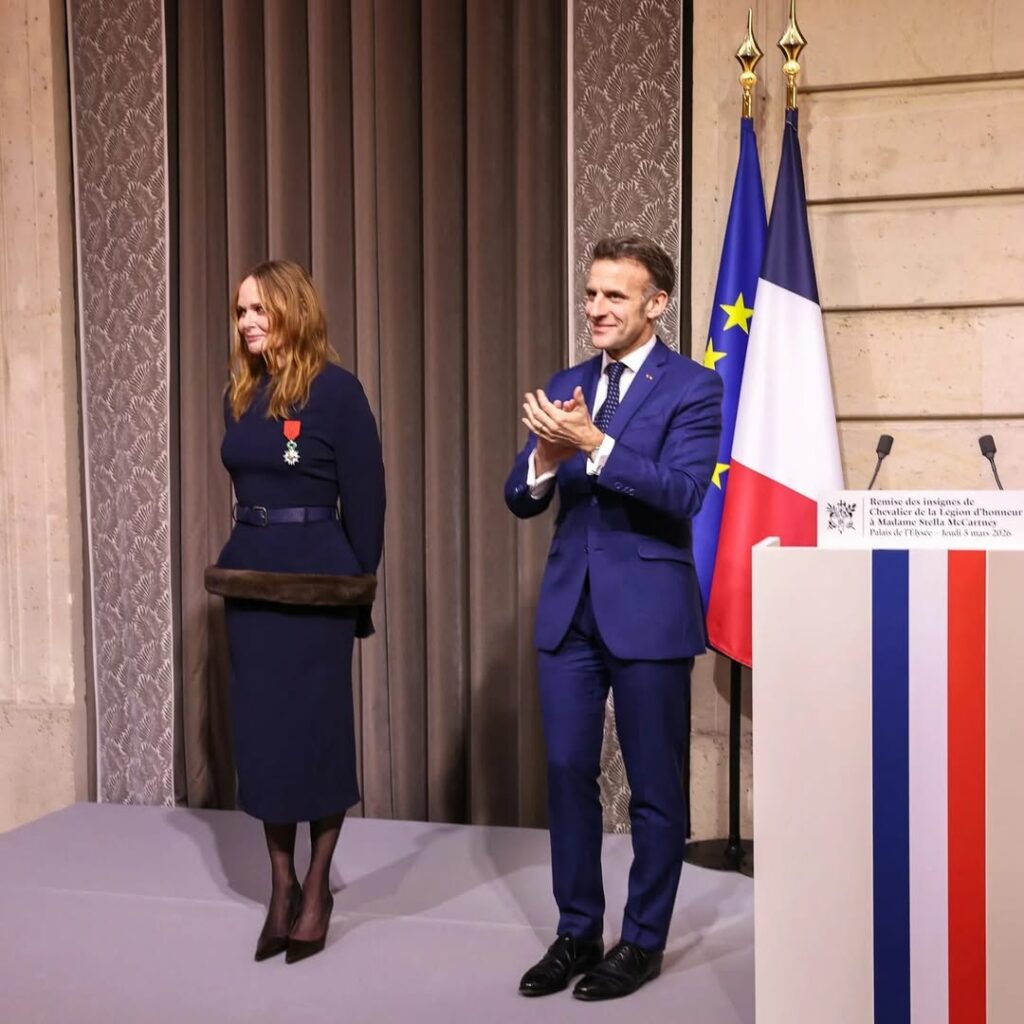
Photo – Instagram
The French honour follows recognition in the United Kingdom. McCartney was appointed an Officer of the Order of the British Empire in 2013 and was later promoted to Commander of the same order by King Charles III for services to fashion and sustainability.
She graduated from Central Saint Martins in London in 1995. Since establishing her brand, McCartney has promoted the use of animal-free materials and has spoken publicly about environmental issues connected to the fashion industry.

Kim Kardashian Reveals Icy Blue Contacts at the 2026 Vanity Fair Oscar Party

Heidi Klum Flaunts New Curves in Stunning Dress Following Menopause Weight Journey

Kylie Jenner Nearly Naked in Chanel Cape for Steamy Vanity Fair Shoot

Adele, She’s More than a Singer, She’s a Symbol of Love!

Adele & Paul Rich ! Engaged

Amy Winehouse – Back To Black

Megan Fox Shares First Bold Photos in Months as Machine Gun Kelly Sparks Reunion Rumours

Demi Moore Debuts Wavy Bob at Milan Fashion Week with Her Chihuahua in Front-Row Appearance

Idris Elba Teams Up with King Charles for Inspiring Netflix Doc
-

 Fashion7 months ago
Lisa Brings Labubu to Life at BLACKPINK’s London Show
-

 Fashion4 months ago
Hailey Bieber Is Firmly on Team Going‑Out Top
-

 Tech6 months ago
iPhone 17 Pro Max: Apple’s Boldest Upgrade
-

 Celebrity News7 months ago
Rita Ora Toasts Husband Taika Waititi on His 50th Birthday
-
 Music7 months ago
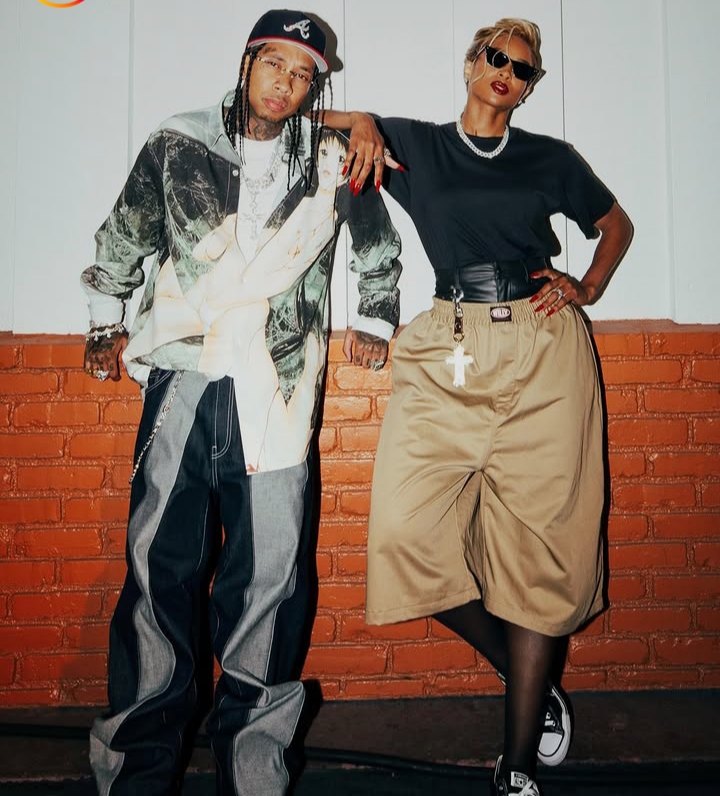
Ciara & Tyga’s “Dance With Me”: A Bold Revival That’s Got Fans Talking
-

 Music7 months ago
Cardi B Drops Imaginary Playerz and Sets the Tone
-
 Celebrity Style6 months ago
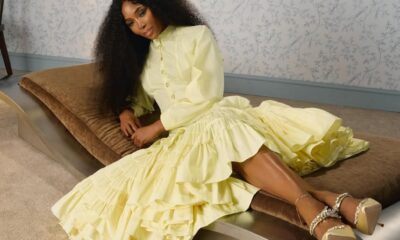
Naomi Campbell Teams Up with Tolu Coker for Spring 2026 Collection
-

 Celebrity Style6 months ago
Rita Ora and Primark Reveal Autumn/Winter 2025 Collection
You must be logged in to post a comment Login