
Royals
A History of the Royal Family’s Christmas Cards

The British Royal Family’s Christmas cards have long functioned as controlled public statements rather than informal holiday greetings. From their earliest appearances in the early twentieth century, the cards have reflected how the monarchy responds to public expectation, national mood, and shifts in media culture. What appears simple on the surface is, in practice, carefully managed communication.
The tradition emerged during the First World War. In 1914, Princess Mary included a Christmas card in tins sent to British soldiers serving overseas. The image was formal, and the message restrained. It was not designed for sentimentality but for reassurance. During the Second World War, the practice continued when Princess Elizabeth, years before her accession, sent Christmas cards to the Grenadier Guards. Photographs from that period frequently showed her in uniform, reinforcing duty and national service rather than family life.

Credit – Getty Images
After the war, the emphasis changed. As Britain moved into a period of rebuilding, royal Christmas cards increasingly featured family imagery. Queen Elizabeth II and Prince Philip used photographs of their children to communicate continuity at a time when the monarchy was redefining its place in a changing society. These images were neither spontaneous nor intimate. They were staged, selected months in advance, and intended to project order and stability.
By the late twentieth century, particularly during the marriage of Prince Charles and Princess Diana, the visual language of the cards shifted again. Images of Princes William and Harry appeared less formal and more domestic in tone. Outdoor settings and relaxed poses suggested a softer image of royal life. This change coincided with increased media scrutiny and a public appetite for accessibility. The cards responded to that pressure while maintaining tight control over presentation.
One consistent feature across decades is the absence of traditional winter imagery. Snow, fireplaces, and overt seasonal symbolism are largely avoided. The photographs are typically taken in neutral or warm-weather settings, allowing the image to remain usable beyond the holiday period and preventing associations with hardship or austerity. The timing of professional photo sessions also plays a role, reinforcing practicality over seasonal accuracy.

Credit – Getty Images
In her later years, Queen Elizabeth II maintained a steady approach. Her Christmas cards often used photographs taken at royal residences, sometimes captured by family members. Exhibitions of these cards later revealed how little the formula changed over time. The consistency was deliberate. Variation risked distraction, while repetition reinforced familiarity and permanence.
The Prince and Princess of Wales have continued this approach with subtle adjustments. Their cards usually feature coordinated but understated family portraits with their three children. The tone suggests ease without relinquishing control. Every element, from clothing to setting, contributes to a message of reliability and continuity rather than spontaneity.

Credit – Getty Images
The Duke and Duchess of Sussex have adopted a different model. Their recent Christmas greetings have often been digital and message-led, incorporating images tied to public engagements or charitable work rather than a single posed family portrait. The focus shifts from tradition to narrative, using the card as a platform for outlining priorities and values rather than reinforcing established royal imagery.
Taken together, royal Christmas cards form an informal visual archive of the monarchy’s evolving relationship with the public. They document how the institution adapts to social change while maintaining authority. Far from being decorative seasonal gestures, the cards reveal a long-standing effort to manage visibility, project reassurance, and signal continuity at the close of each year.


Royals
Princess of Wales Returns to Public Duty in Burgundy at London Hospital
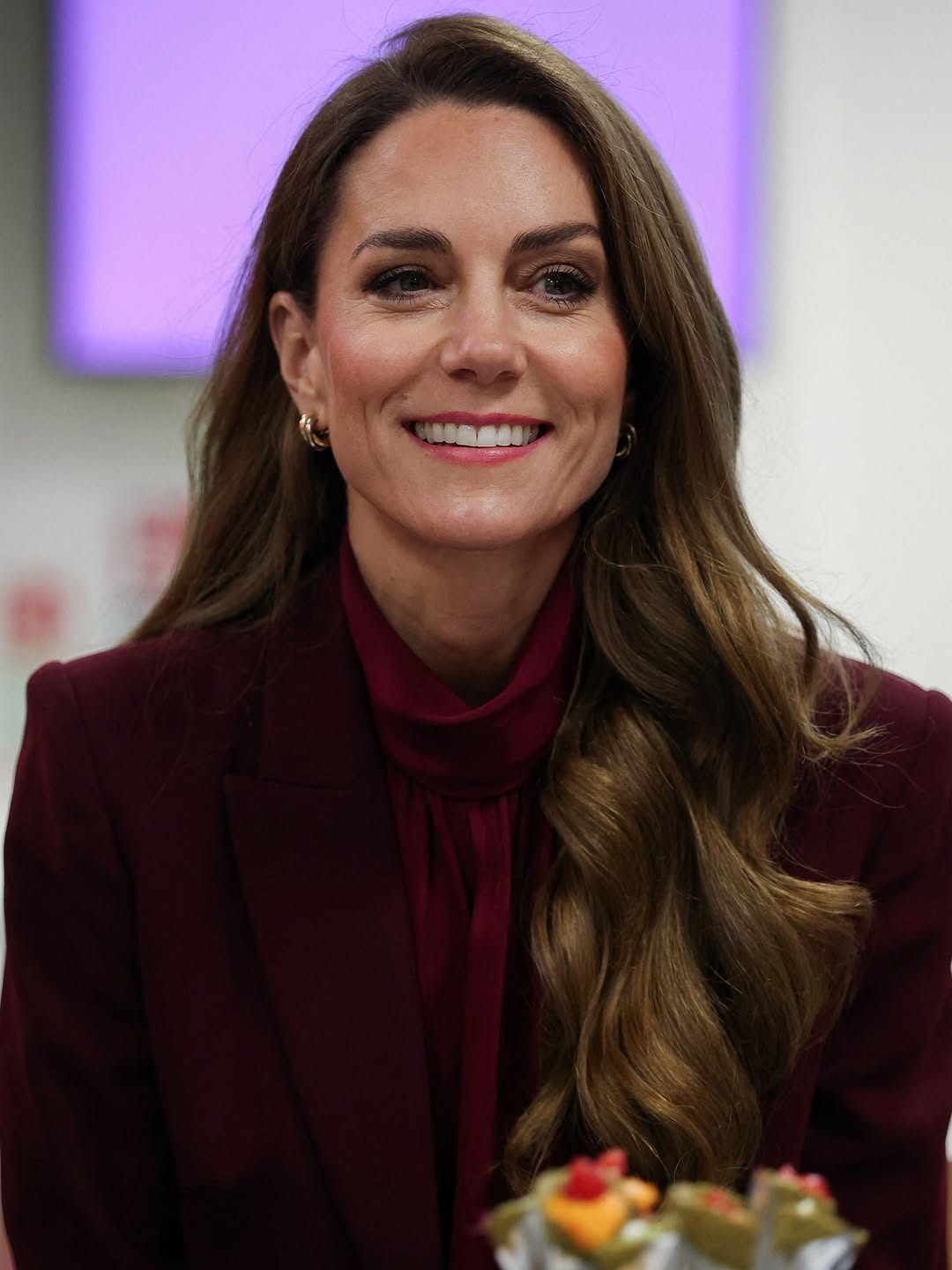
The Princess of Wales made her first public engagement of 2026 earlier this month, visiting Charing Cross Hospital in London alongside her husband, the Prince of Wales. The appearance marked the start of their official duties for the year following the holiday period.
The joint visit involved scheduled conversations with NHS staff, patients and volunteers during a period of increased winter demand across the health service. During the visit, the Princess acknowledged the ongoing pressures facing healthcare workers, while both she and Prince William spent time speaking directly with individuals involved in patient care. The engagement proceeded without a formal announcement in advance.

Photo Credit – Instagram
For the visit, the Princess wore a burgundy Roland Mouret suit that has been seen at previous public engagements. The tailored blazer and matching trousers were styled with a tonal blouse in a coordinating shade, neutral heels and a small Hudson bag by DeMellier London. The outfit followed a format she has used consistently for work-related appearances.
Burgundy has featured prominently across recent seasonal collections as an alternative to darker winter neutrals. In this instance, the colour was presented in a structured, tailored form, aligned with established royal dressing conventions for professional engagements.
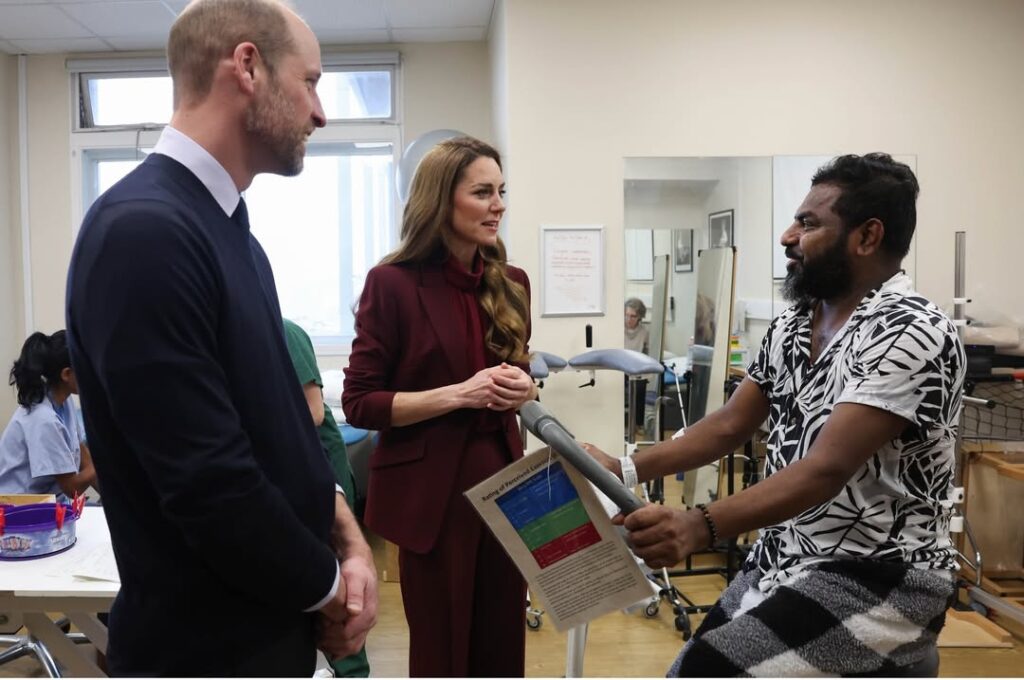
Photo Credit – Instagram
The decision to repeat a previously worn suit reflects an established practice within the royal wardrobe, particularly for visits focused on public service rather than ceremonial occasions. The Princess has worn similar colour palettes and tailoring styles across multiple engagements in recent years.
Her accessories followed the same approach. The DeMellier Hudson bag has appeared regularly in her recent public outings and was carried again for this visit. Jewellery was minimal, limited to small earrings that complemented the outfit without drawing focus.

Photo Credit – Instagram
As she begins the year in which she turns 44, the Princess continues to resume public-facing duties. During the hospital visit, she spoke with a chemotherapy volunteer about treatment experiences, acknowledging shared aspects of the discussion without referencing her own health publicly. Prince William was present throughout the visit, engaging with staff and volunteers alongside her.
The engagement was conducted as part of the standard royal working schedule rather than positioned as a milestone appearance. The visit concluded without additional commentary, aligning with the practical nature of the setting.
In opening the year with a hospital visit carried out jointly, the Prince and Princess of Wales returned to a familiar pattern of public service engagements. Their appearance and conduct reflected continuity with previous working visits, setting the tone for their official activities in the months ahead.
Royals
Prince Harry Set to Have Armed Security Reinstated for UK Visits
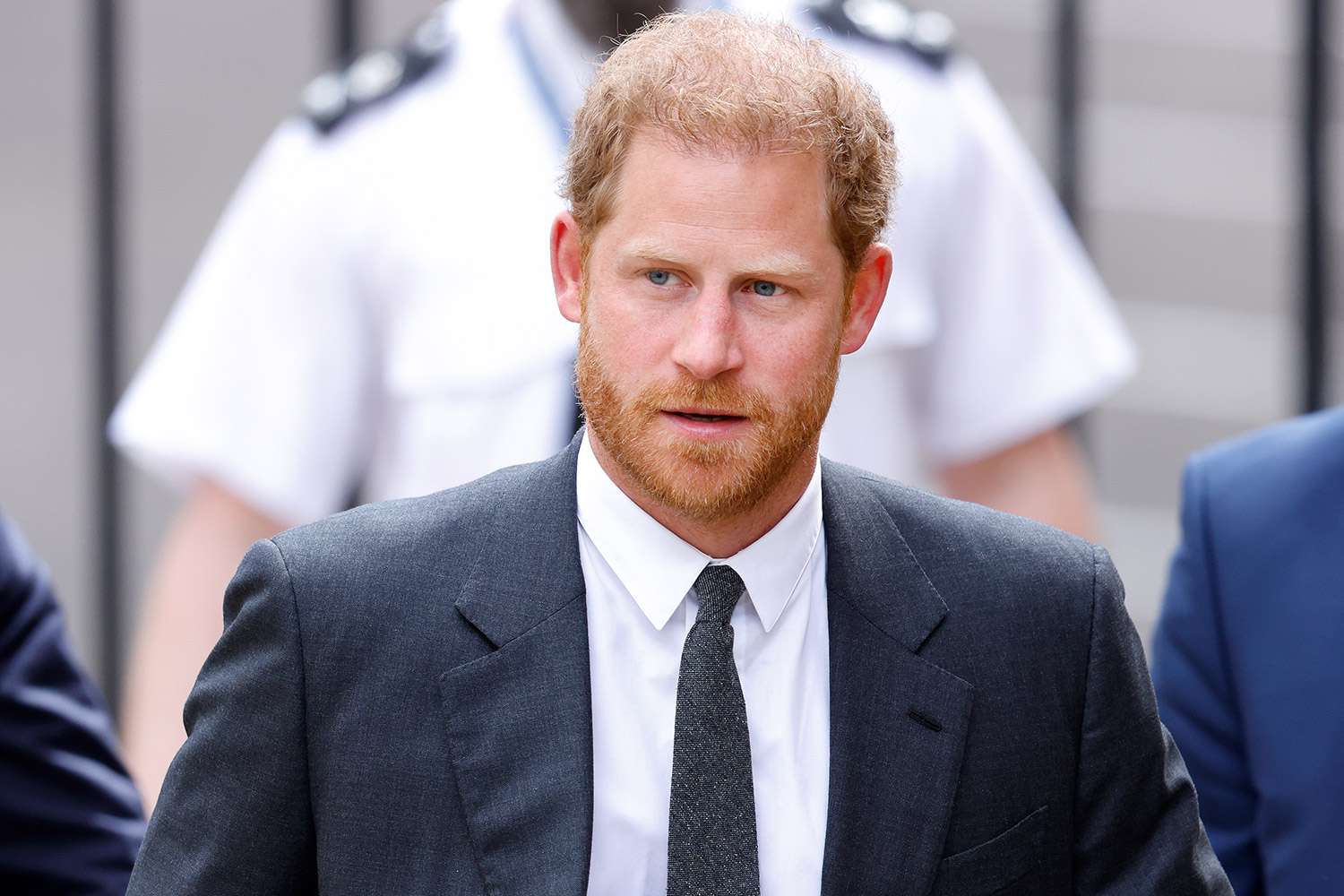
Prince Harry is expected to regain armed police protection during visits to the UK, signalling a change in how his security has been handled since he stepped back from royal duties in 2020.
Following his departure from the role of a senior working royal, the Duke of Sussex lost automatic state-provided armed police protection while in the UK. His security arrangements were instead placed under a case-by-case system overseen by the Royal and VIP Executive Committee, known as Ravec. Under UK law, privately hired security personnel are not permitted to carry firearms, a restriction Harry has long argued exposes him to unnecessary risk when visiting the country.
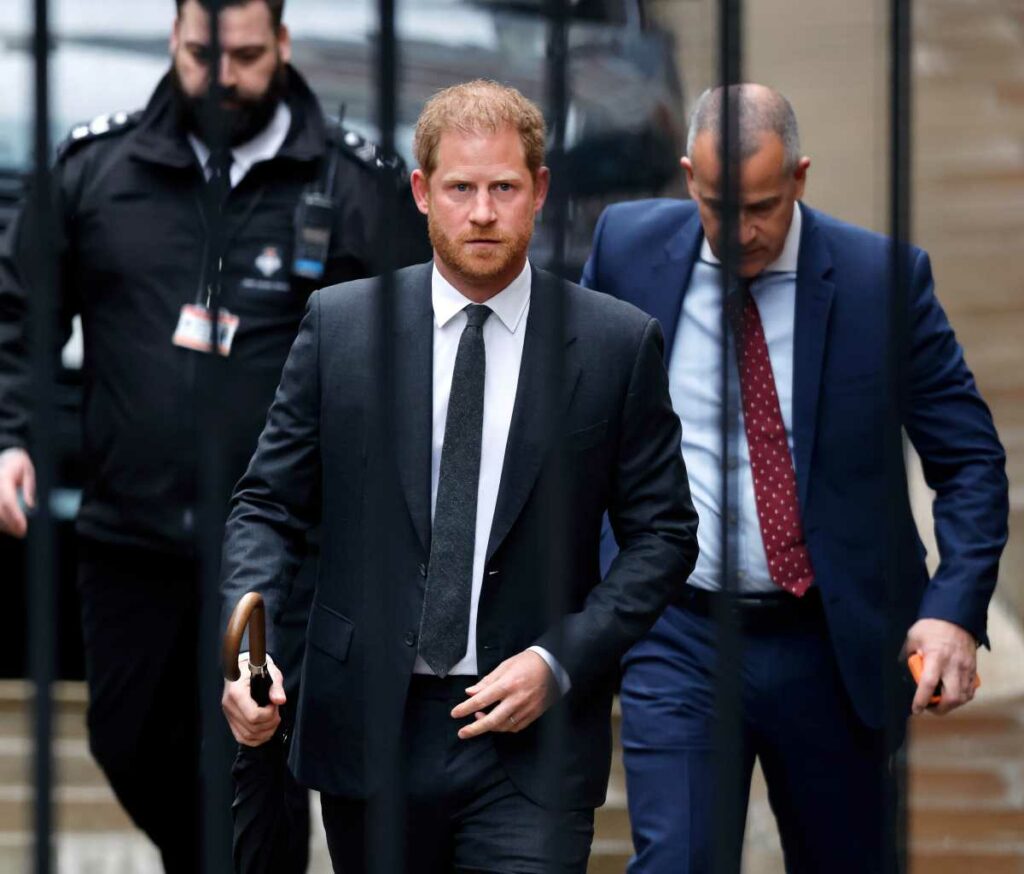
Photo Credit – Getty Images
The duke pursued legal action against the Home Office, maintaining that the removal of armed police protection left him vulnerable and made it unsafe for his wife and children to accompany him to Britain. In May 2025, he lost a key appeal at the High Court, with the ruling confirming that the government had acted within the law when it altered his security status based on his changed role.
That position has since been reassessed. A recent security review conducted by Ravec, involving the Home Office, the Metropolitan Police and royal security officials, is understood to have concluded that Prince Harry now meets the threshold required for armed police protection during UK visits. Individuals briefed on the review say reinstatement is expected, pending final administrative steps, though no formal announcement has been made.
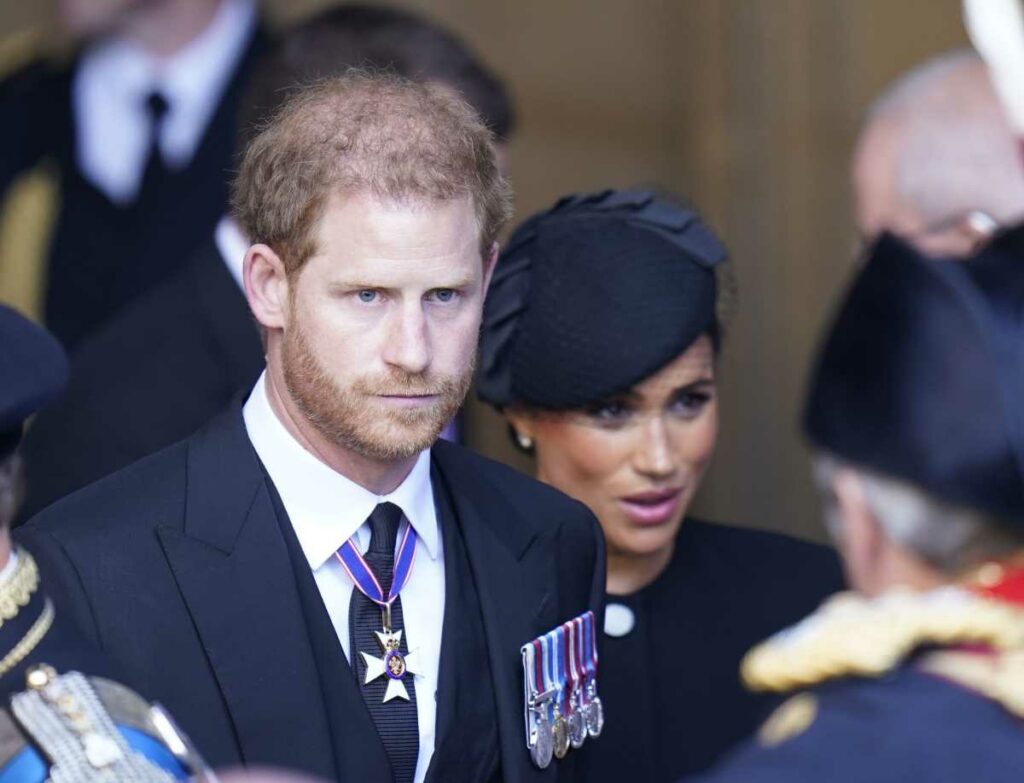
Photo Credit – Getty Images
The renewed assessment followed increased concern about Harry’s personal safety, including incidents involving persistent individuals gaining proximity to him despite existing security measures. While specific details remain confidential, the Home Office has reiterated that protection arrangements are kept under continuous review and adjusted in response to changing threat levels.
The decision affects more than Harry alone. He has previously stated that the absence of armed police protection has been the main reason his children, Prince Archie and Princess Lilibet, have rarely visited the UK. Both children live in the United States and have only travelled to Britain once, during Queen Elizabeth II’s Platinum Jubilee celebrations in 2022.
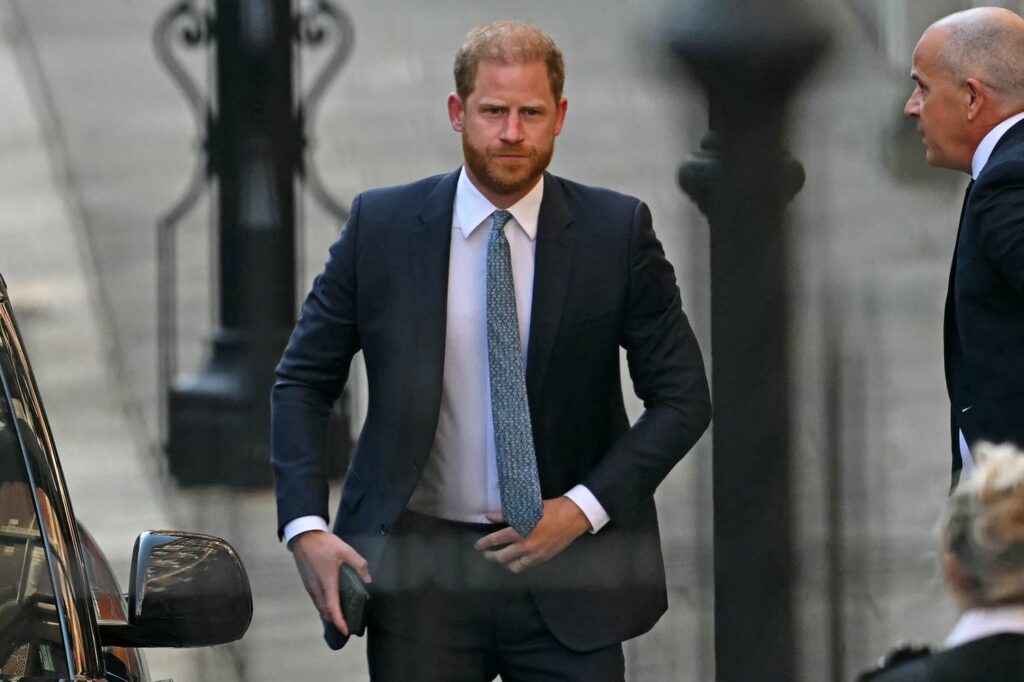
Photo Credit – Getty Images
With enhanced protection now likely, the prospect of family visits becomes more practical, potentially allowing for renewed contact between the Sussex children and King Charles. No visit has been confirmed, but the expected security changes remove one of the most significant obstacles cited by the duke since his relocation abroad.
For the government, the move reflects an approach driven by risk assessment rather than royal status. For Prince Harry, it brings an end to years of uncertainty surrounding his safety arrangements and provides a clearer framework for future trips to the UK.
If approved as anticipated, his visits would no longer rely on temporary or adhoc measures but instead operate under a formalised security arrangement, closing a dispute that has shaped his relationship with Britain since 2020.
Royals
The Princess of Wales Chooses Chocolate Brown for Christmas Day 2025
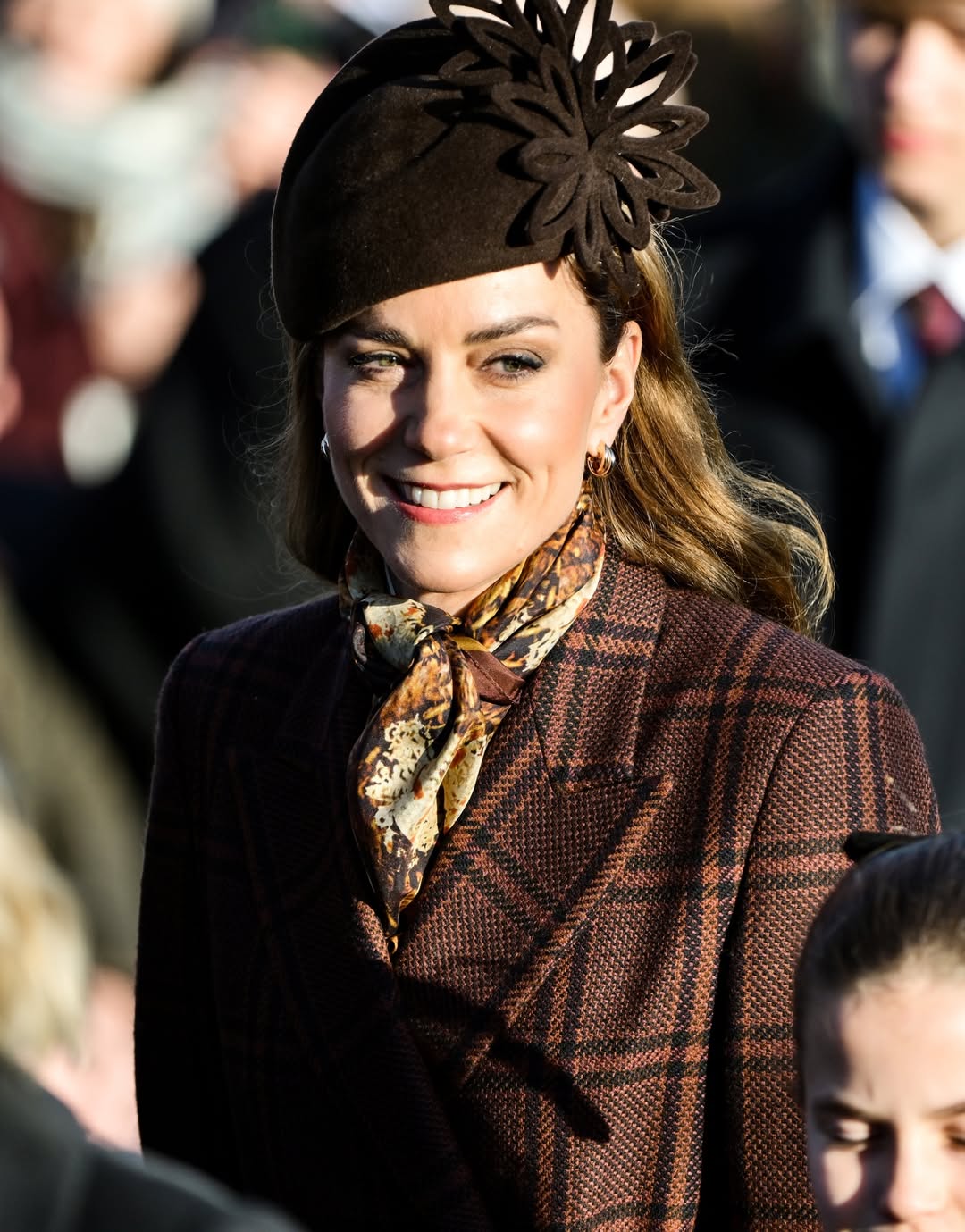
On Christmas Day 2025, the Princess of Wales departed from her usual festive colours, choosing rich brown tones for the annual royal Christmas service at St Mary Magdalene Church in Sandringham.
She attended the service with Prince William and their children, Prince George, Princess Charlotte and Prince Louis, wearing a brown plaid coat by Blazé Milano. The coat was previously worn earlier in the year, including during a visit to the Royal Marsden Hospital in January.
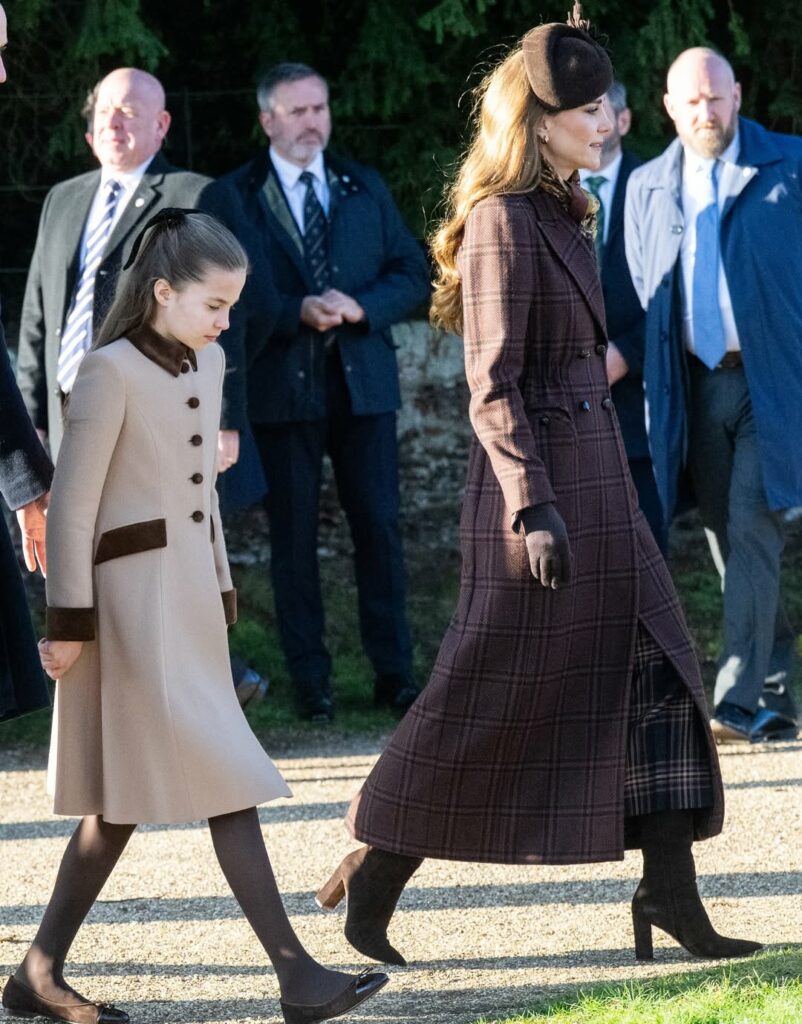
Photo Credit – Instagram
The coat was paired with a chocolate-brown hat and a silk patterned scarf in complementary shades, creating a cohesive and sophisticated look appropriate for the occasion.
Accessories included Cartier Trinity hoop earrings, a favourite in her jewellery rotation, and boots that matched the tone of the outfit.
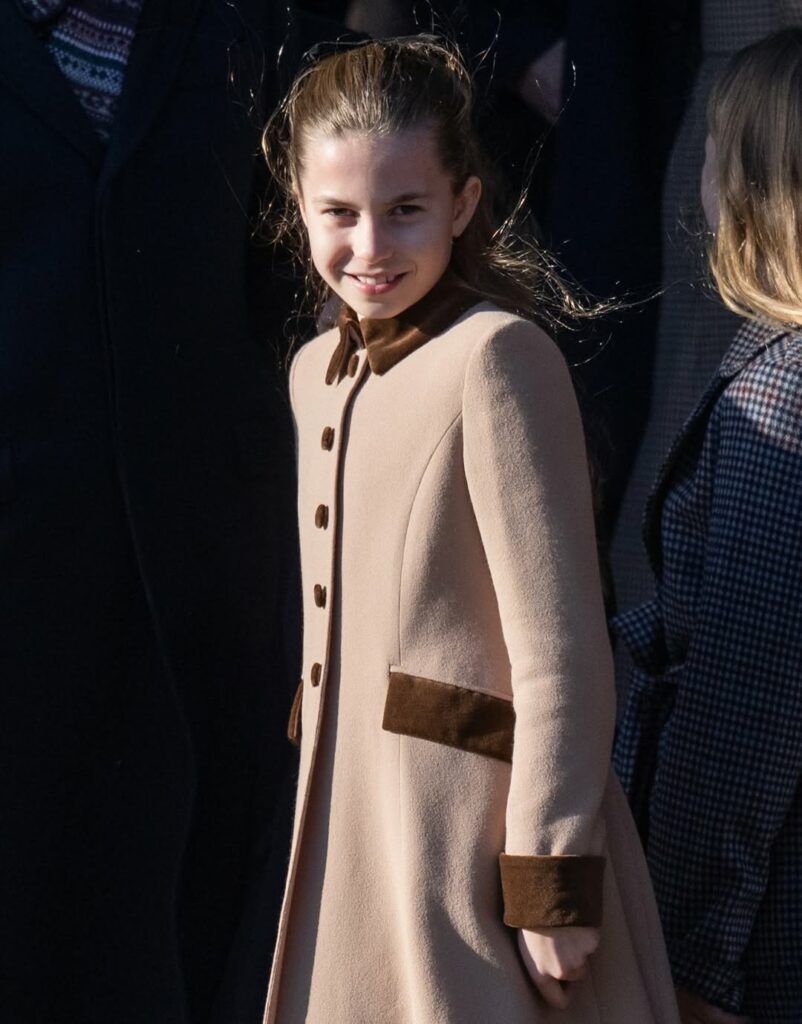
Photo Credit – Instagram
Princess Charlotte’s outfit coordinated with her mother’s, featuring a camel-coloured coat accented in brown, reinforcing the harmonious family appearance.
Historically, the Princess of Wales has favoured traditional holiday colours such as greens, reds, or jewel tones for Christmas services. Last year, she wore forest green, and in previous years, she chose cobalt blue or maroon.
This year’s brown choice reflects a broader interest in earthy tones and demonstrates her ability to make contemporary fashion choices while respecting tradition. She is known for re-wearing meaningful pieces and adapting them for different events with care and thoughtfulness.

Photo Credit – Instagram
The Blazé Milano coat carries additional significance, as it was previously worn during a public engagement following the Princess’s cancer remission earlier in 2025. Reusing a piece with personal meaning adds an extra dimension to the ensemble.
Despite a challenging year for the royal family, including ongoing health matters for King Charles and wider institutional pressures, the Christmas Day service remained a symbol of continuity and family presence. Her outfit complemented the event, making a refined, intentional statement about combining modern style with long-standing tradition.


Kim Kardashian Reveals Icy Blue Contacts at the 2026 Vanity Fair Oscar Party

Heidi Klum Flaunts New Curves in Stunning Dress Following Menopause Weight Journey

Kylie Jenner Nearly Naked in Chanel Cape for Steamy Vanity Fair Shoot

Adele, She’s More than a Singer, She’s a Symbol of Love!

Adele & Paul Rich ! Engaged

Amy Winehouse – Back To Black

Megan Fox Shares First Bold Photos in Months as Machine Gun Kelly Sparks Reunion Rumours

Demi Moore Debuts Wavy Bob at Milan Fashion Week with Her Chihuahua in Front-Row Appearance

Idris Elba Teams Up with King Charles for Inspiring Netflix Doc
-

 Fashion7 months ago
Lisa Brings Labubu to Life at BLACKPINK’s London Show
-

 Fashion4 months ago
Hailey Bieber Is Firmly on Team Going‑Out Top
-

 Tech6 months ago
iPhone 17 Pro Max: Apple’s Boldest Upgrade
-
 Celebrity News7 months ago
Rita Ora Toasts Husband Taika Waititi on His 50th Birthday
-
 Music7 months ago
Ciara & Tyga’s “Dance With Me”: A Bold Revival That’s Got Fans Talking
-

 Music7 months ago
Cardi B Drops Imaginary Playerz and Sets the Tone
-
 Celebrity Style6 months ago
Naomi Campbell Teams Up with Tolu Coker for Spring 2026 Collection
-
 Celebrity Style6 months ago
Rita Ora and Primark Reveal Autumn/Winter 2025 Collection
You must be logged in to post a comment Login