Health
4 Drinks That May Be More Hydrating Than Water
Water is the obvious choice when you are thirsty, but it is not always the drink that leads to the greatest short-term fluid retention.
A 2016 study published in the American Journal of Clinical Nutrition compared 13 drinks in 72 healthy men, using still water as the reference. The researchers found that full-fat milk, skimmed milk and an oral rehydration solution produced greater short-term fluid retention than water. Orange juice initially recorded a higher hydration index too, but that difference disappeared after the researchers accounted for the different water content of the drinks.
That does not make water a poor choice. The study measured short-term fluid retention under controlled conditions, rather than determining which drink is best for everyday hydration. Water remains a practical option because it provides fluid without added sugar, fat or calories.
However, what you need from a drink can change depending on the situation. After heavy exercise, for example, replacing electrolytes and carbohydrates may be useful alongside replacing fluids.
Milk

Credit: Pinterest
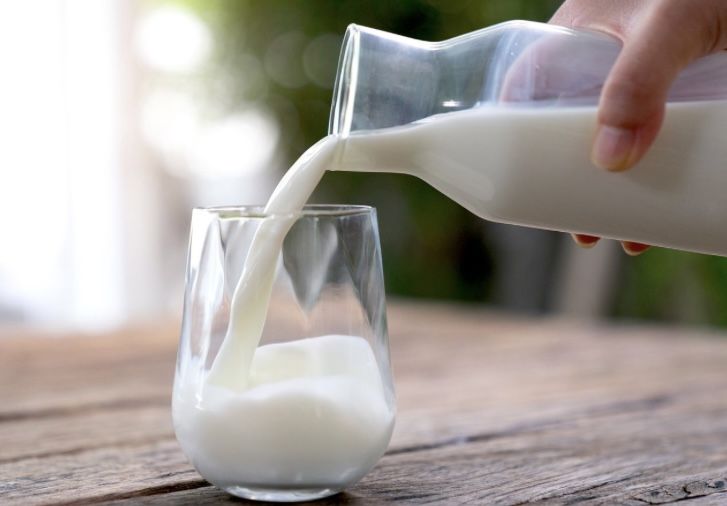
Milk contains a high proportion of water, as well as lactose, protein, fat and electrolytes such as sodium and potassium. These components can slow gastric emptying and contribute to greater short-term fluid retention.
Both skimmed and full-fat milk produced greater short-term fluid retention than water in the 2016 study, with skimmed milk recording the higher Beverage Hydration Index.
Milk can also be useful after exercise because it provides protein and carbohydrates alongside fluid. That makes it different from water, which replaces fluid but does not provide the same combination of nutrients.
Milk is not necessarily the right choice for everyone, particularly those with a dairy allergy or lactose intolerance. It also contains calories, so its higher hydration index should not be taken as a reason to replace water with milk throughout the day.
100% Orange Juice

Credit: Pinterest
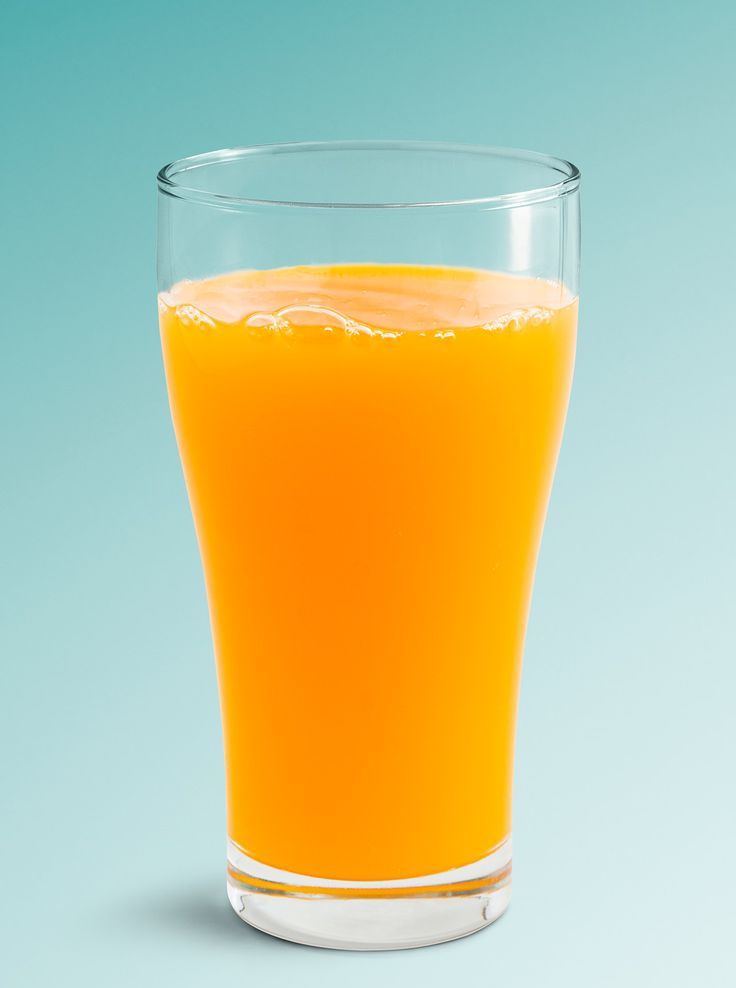
Orange juice requires a little more qualification. In the initial analysis of the 2016 study, orange juice produced greater short-term fluid retention than water. However, after the researchers adjusted for the different water content of the drinks, the difference was no longer significant.
That means orange juice should not be presented as definitively more hydrating than water based on this study alone.
It can still contribute to fluid intake while providing carbohydrates and potassium. If you choose it, 100% orange juice is preferable to a juice drink with added sugars and other ingredients. It is also more calorie-dense than water, so it works better as part of a balanced diet than as your main source of fluids.
Chocolate Milk

Credit: Pinterest
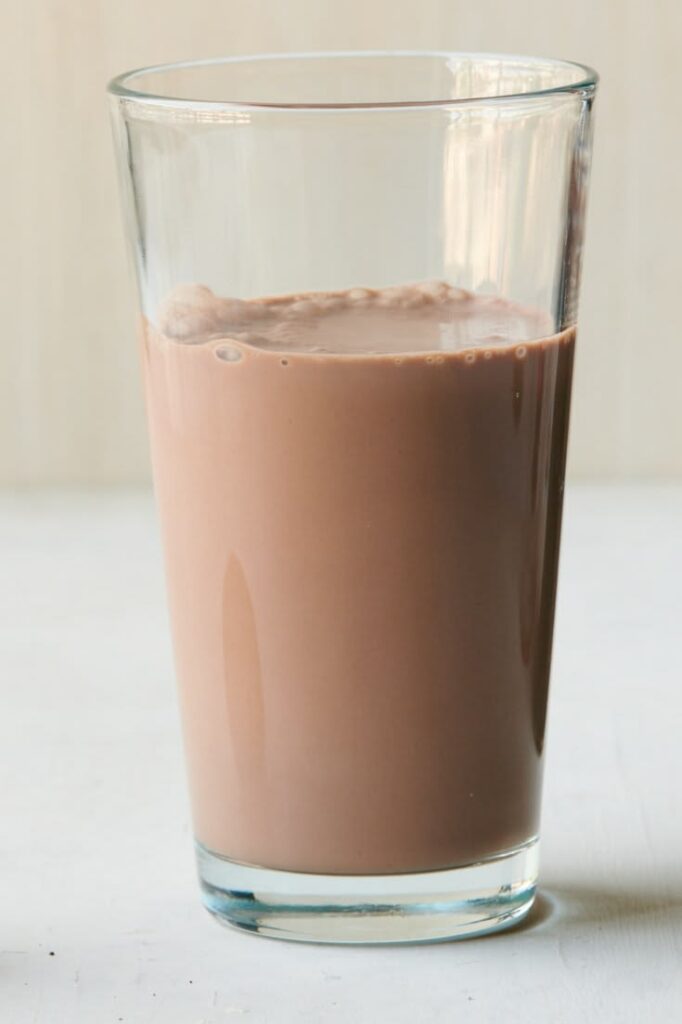
The case for chocolate milk is different from the evidence for plain milk. Chocolate milk was not one of the beverages tested in the 2016 Beverage Hydration Index study. Its place in the conversation comes mainly from research into exercise recovery.
Chocolate milk provides fluid, carbohydrates and protein, which can make it useful after a demanding workout when the body needs both fluids and nutrients. The carbohydrates can help replenish energy stores, while the protein contributes to muscle recovery.
That does not mean chocolate milk has been established as more hydrating than water in every situation. It also contains added sugar and calories, making it less suitable than water for routine hydration.
For someone finishing a long or intense training session, however, it can serve as both a recovery drink and a source of fluid.
Electrolyte Drinks

Credit: Pinterest
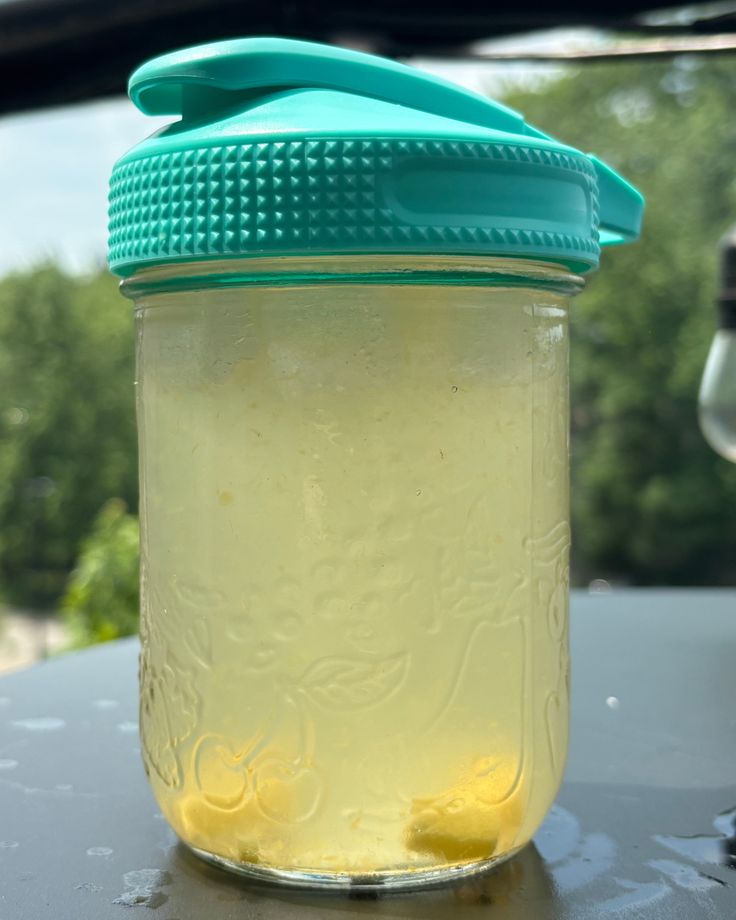
Electrolyte drinks can be useful when you have lost substantial amounts of fluid through sweating. They provide water alongside electrolytes, particularly sodium, which helps regulate fluid balance.
There is an important distinction between a sports drink and an oral rehydration solution. The latter has a specific balance of glucose and electrolytes designed to support fluid absorption and replace losses. An oral rehydration solution was one of the drinks tested in the 2016 hydration study and produced greater short-term fluid retention than water.
Sports drinks are formulated differently and are generally aimed at people exercising for longer periods. They can provide carbohydrates and electrolytes, but they are not necessary for every workout.
For everyday activities and shorter periods of exercise, water is generally sufficient. After prolonged exercise or heavy sweating, an appropriate electrolyte drink may be more useful, particularly when replacing sodium is important.
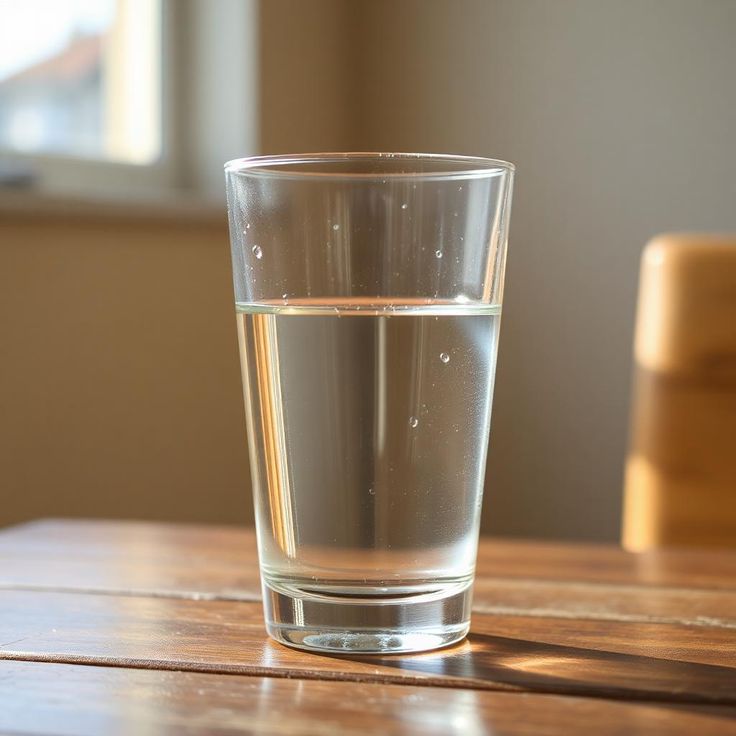
Water Still Has a Place

Credit: Pinterest
The research does not mean that water has been dethroned as the best everyday drink. It simply shows that the body’s fluid balance can be affected by what else a drink contains.
Milk can provide fluid with protein and electrolytes. Orange juice provides fluid alongside carbohydrates and potassium, although the evidence does not establish it as more hydrating than water. Chocolate milk can be useful after strenuous exercise because it combines fluid with nutrients needed for recovery. Oral rehydration solutions have a more specific role when substantial fluid and electrolyte losses need to be replaced.
For ordinary thirst, water remains hard to beat. When you have been sweating heavily, exercising for an extended period or dealing with significant fluid loss, the drink you choose can serve a more specific purpose.
The key is to match the drink to the situation, rather than assuming that a higher hydration score automatically makes a beverage healthier or better than water.
You must be logged in to post a comment Login