Health
How to Stay Hydrated During the Heatwave
When temperatures soar, staying hydrated becomes one of the most effective ways to protect your health. Water helps regulate body temperature, supports circulation and replaces the fluids lost through sweating. During a heatwave, those losses increase quickly, so drinking regularly throughout the day is more effective than waiting until you feel thirsty, as thirst is often a sign that your body is already becoming dehydrated.
Staying well hydrated does not require expensive drinks or complicated routines. A few simple habits can help you maintain your fluid levels whether you are commuting, working outdoors, exercising or spending the day at home.


Credit : Pinterest
Begin the day with a glass of water after waking up. This replaces some of the fluids your body loses overnight and helps maintain hydration before the hottest part of the day. Waiting until later in the day to increase your fluid intake makes it harder to replace what has already been lost.
Rather than drinking large amounts of water in one go, drink smaller amounts consistently throughout the day. This approach makes it easier to keep up with your fluid needs, particularly during prolonged periods of hot weather. Carrying a reusable water bottle can also serve as a useful reminder to drink regularly.

Credit : Pinterest
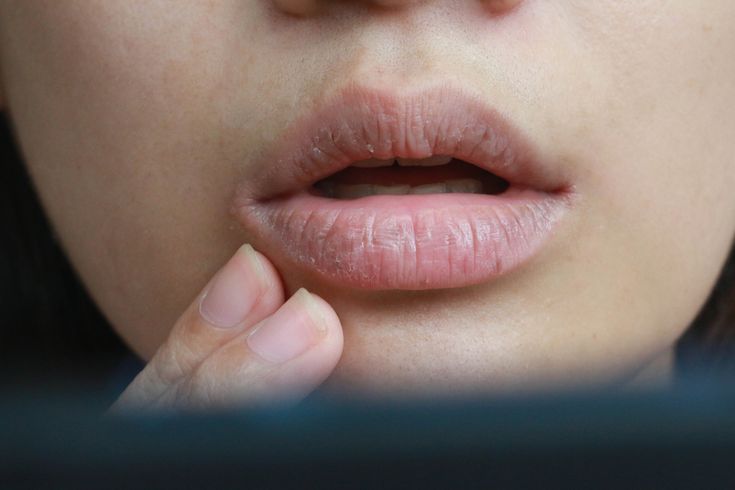
One of the easiest ways to monitor your hydration is by checking the colour of your urine. A pale yellow colour generally indicates that you are well hydrated, while darker urine suggests you need more fluids. Dry lips, headaches, dizziness, tiredness and difficulty concentrating can also be early signs that your body needs more water.
Water should remain your first choice during a heatwave, but it is not the only drink that contributes to your daily fluid intake. Milk, unsweetened tea, coffee and sparkling water all count. Foods with a high water content, including watermelon, strawberries, oranges, cucumbers, tomatoes and lettuce, also provide both fluids and nutrients, helping you stay hydrated alongside regular drinks.


Credit : Pinterest
Many people assume they need electrolyte drinks whenever temperatures rise, but that is not usually the case. For most healthy adults carrying out light daily activities, water and a balanced diet provide all the electrolytes the body needs. Drinks containing electrolytes are more useful during prolonged exercise, physically demanding outdoor work or when significant amounts of fluid have been lost through heavy sweating, vomiting or diarrhoea.
Alcohol deserves extra caution during a heatwave because it increases fluid loss and can make dehydration worse. Drinks that are high in sugar may also leave you feeling thirstier afterwards. Water remains the most reliable choice, particularly if you have spent several hours in the heat.

Credit : Pinterest
Your daily routine can also affect how much fluid you lose. If possible, plan outdoor activities for the early morning or later in the evening when temperatures are lower. If you are exercising or working outside, drink before you begin, continue drinking at regular intervals and replace fluids afterwards. Wearing loose, lightweight clothing and taking breaks in the shade or an air-conditioned space can also help limit excessive fluid loss.
Some groups are more vulnerable to dehydration during periods of extreme heat, including older adults, young children, pregnant women and people living with certain medical conditions. They may not notice thirst as quickly or may lose fluids more easily. Checking in on family members, neighbours or friends and encouraging regular fluid intake can help prevent heat-related illness.

Credit : Pinterest
It is also important to recognise when dehydration has become a medical emergency. Seek immediate medical attention if someone becomes confused, faints, stops sweating despite the heat, develops a rapid heartbeat or struggles to stay awake, as these can be signs of heatstroke.
Keeping hydrated during a heatwave comes down to consistent habits rather than quick fixes. Drinking water regularly, eating foods with a high water content, limiting dehydrating drinks and adjusting your routine during the hottest hours of the day can help your body cope more effectively with prolonged periods of high temperatures.
You must be logged in to post a comment Login