Health
Natural Drinks That Help Support a Flatter Stomach Naturally
A flat stomach is often linked to quick fixes, detox teas and restrictive cleanses, but most nutrition experts point in another direction. In many cases, stomach fullness is connected to bloating, slow digestion, dehydration or excess salt intake rather than body fat alone. Certain natural drinks may ease that discomfort by supporting digestion, reducing trapped gas and improving hydration.
A daily habit is likely to be more useful than a one-off “detox” trend that promises dramatic overnight results.
Warm Water Still Does the Basics Best

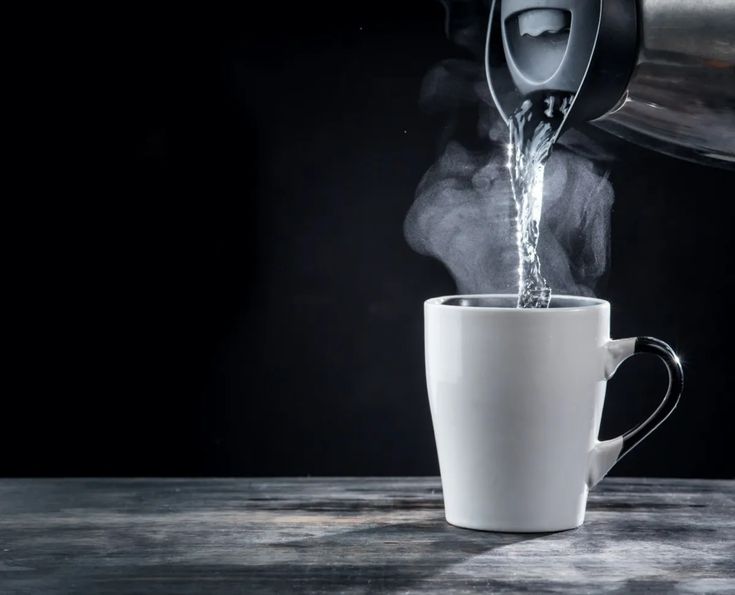
Photo: Pinterest
Plain water remains one of the most effective ways to reduce bloating and aid regular digestion. Hydration helps food move properly through the digestive tract and can reduce constipation, which is a common reason the stomach feels swollen or uncomfortable.
Warm water is commonly preferred first thing in the morning or after a heavy meal. Some people add lemon for flavour, although hydration is the main benefit.
Drinking enough water also helps balance sodium levels in the body. Meals high in salt can lead to water retention, which often appears around the stomach area.
Ginger Tea Helps With Fullness and Gas

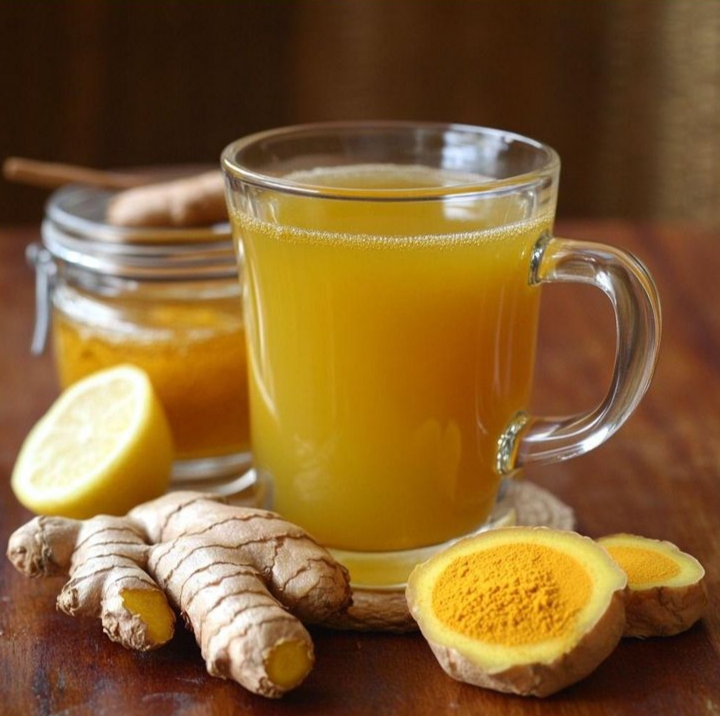
Photo: Pinterest
Ginger is commonly associated with easing bloating and stomach discomfort, and it continues to appear in nutrition advice focused on digestive health. Ginger tea may help the stomach empty more efficiently, which may reduce post-meal fullness.
It is also commonly used to ease nausea and stomach discomfort. Fresh ginger steeped in hot water usually gives a stronger flavour than pre-packaged blends, although both are commonly used.
For people who regularly feel uncomfortable after large meals, ginger tea is often a gentler option than heavily caffeinated drinks.
Peppermint Tea Can Ease Digestive Tension


Photo: Pinterest
Peppermint tea is frequently recommended for bloating linked to trapped gas or stomach cramps. Menthol, the active compound in peppermint, may help relax the digestive tract muscles and make it easier for gas to pass through the system.
This is one reason peppermint tea is often consumed after dinner rather than before a meal.
However, it does not suit everyone. People who experience acid reflux or frequent heartburn may find peppermint makes symptoms worse because it can relax the valve between the stomach and oesophagus.
Fennel Tea Remains a Popular Digestive Remedy


Photo: Pinterest
Fennel tea is less common in the UK than peppermint or green tea, but it is still widely used for digestion-related discomfort. It is traditionally consumed after heavy meals because it may help reduce bloating and stomach pressure.
The flavour is slightly sweet with a liquorice-like edge, which some people enjoy and others avoid entirely. It is often included in herbal digestive blends.
Green Tea Is a Milder Alternative to Slimming Teas

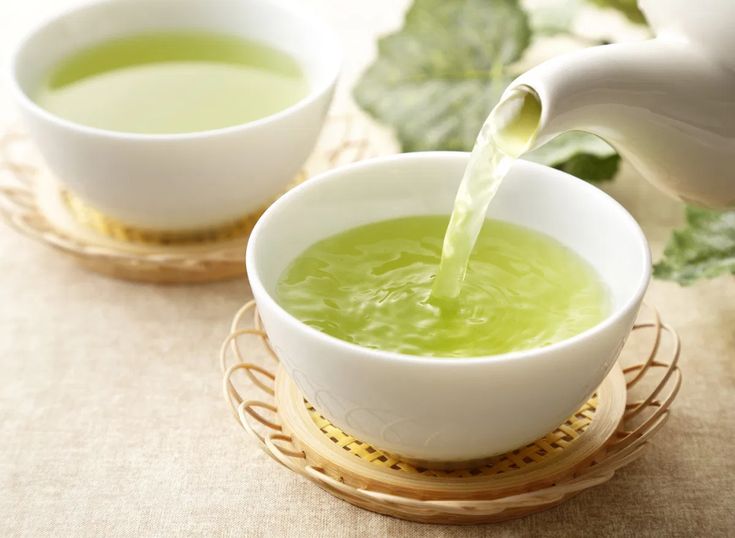
Photo: Pinterest
Many commercial slimming teas rely on laxatives or stimulants, which can leave people dehydrated rather than healthier. Green tea is a milder alternative.
It contains antioxidants and moderate caffeine levels, and some studies suggest it may assist metabolism alongside a balanced diet and regular exercise. It is also lower in sugar than many bottled juices or flavoured coffee drinks.
Green tea is not a shortcut to weight loss. Its value lies more in replacing high-calorie drinks and encouraging healthier habits.
Kefir and Fermented Drinks May Help Gut Health

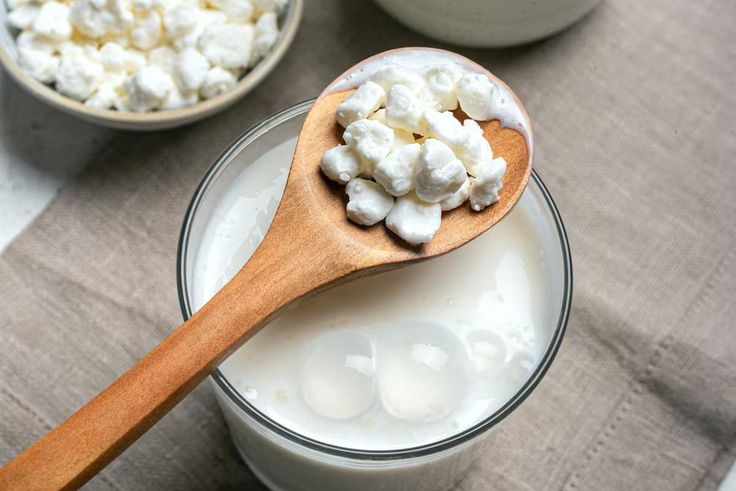
Photo: Pinterest
Kefir, a fermented milk drink, contains probiotics that may help maintain gut balance and digestion. Some nutritionists recommend it for people who experience bloating linked to irregular digestion.
Kombucha is another fermented drink often discussed in the same category, although its carbonation can make bloating worse for some people.
Gut health and bloating are closely connected. Drinks that encourage healthy digestion may help the stomach feel less heavy.
Drinks That Make Bloating Worse


Photo: Pinterest
Fizzy drinks, excess alcohol and heavily sweetened beverages are commonly linked to bloating and digestive discomfort. Carbonation introduces extra gas into the digestive system, while sugar alcohols in “zero sugar” drinks can trigger bloating in some people.
Even smoothies can contribute to bloating if they contain excessive sugar or are consumed in large amounts.
Coffee affects people differently. Some tolerate it well, while others experience stomach irritation or acid reflux
Daily Habits Matter More
No drink alone creates a permanently flat stomach. Most digestive experts point instead to everyday habits such as eating slowly, staying hydrated, walking after meals and reducing highly processed foods.
A short walk after dinner, for example, may help digestion more than another wellness trend.
Natural drinks may contribute to that process, but they work best alongside realistic daily routines.
You must be logged in to post a comment Login