LifeStyle
Best Collagen Supplements in 2026: Benefits, Effectiveness and What to Know
Collagen has become a familiar name in beauty and wellness. Powders, drinks and capsules promise everything from better-looking skin to stronger nails and healthier joints, but the evidence for those benefits is mixed.
The useful questions are what a supplement contains, how much collagen it provides and whether its claims are supported by evidence.
Here are four collagen supplements to consider in 2026, along with their potential benefits and the evidence behind their claims.
Vital Proteins Collagen Peptides


Photo: Pinterest/@Vital Protein
Vital Proteins Collagen Peptides is a bovine collagen powder that provides 20g of collagen per recommended serving. The unflavoured powder can be mixed into hot or cold drinks, making it easy to add to coffee, smoothies or other foods.
The high collagen content makes it an option for people looking for a straightforward collagen supplement without a long list of added ingredients. Individual experiences vary, however, and changes in skin cannot be taken as proof that the supplement will produce the same results for everyone.
Research into oral collagen has produced mixed findings. Some studies have reported improvements in skin hydration and elasticity, although the quality of the evidence varies between trials.
Vida Glow Collagen Liquid Advance

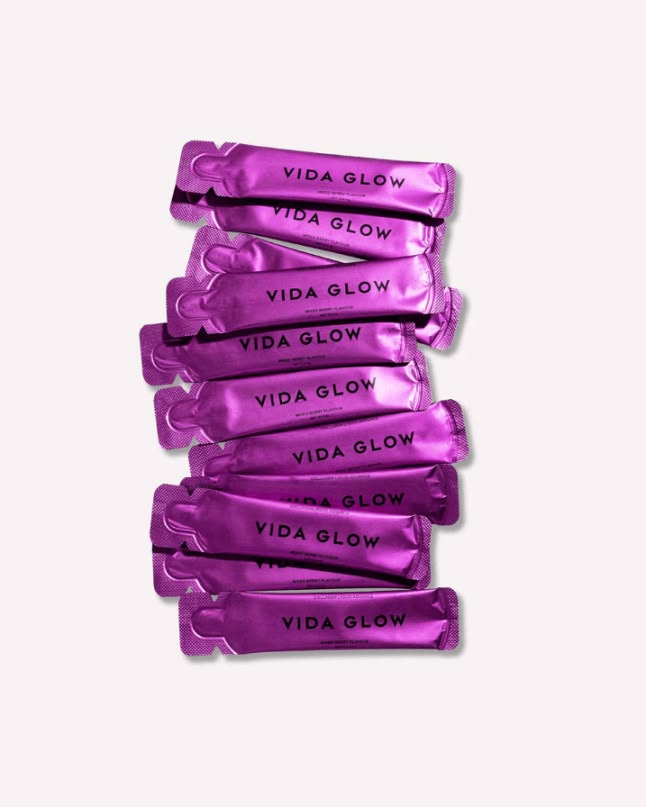
Photo: Pinterest/@Metro
Vida Glow Collagen Liquid Advance contains hydrolysed marine collagen, vitamin C and fruit extracts in individual liquid sachets. Each sachet provides around 4.8g of collagen.
The liquid format provides a pre-measured serving and may suit people who do not want to use a powder. Vitamin C contributes to normal collagen formation, while the marine collagen is sourced from fish.
There is currently no clear evidence that marine collagen is universally more effective than bovine collagen for skin. Anyone with a relevant fish allergy should also check the ingredients carefully before taking a marine collagen supplement.
Ancient + Brave True Collagen


Photo: Pinterest/@Namshi
Ancient + Brave True Collagen contains hydrolysed bovine collagen peptides and can be mixed into drinks or food. Its formula focuses on collagen rather than a lengthy combination of additional beauty ingredients.
Hydrolysed collagen peptides are commonly used in studies investigating oral collagen. Research has looked at their possible effects on skin hydration and elasticity, as well as their potential role in supporting joints.
The findings are not conclusive, so collagen should not be treated as a proven treatment for wrinkles or joint conditions.
Innermost The Glow

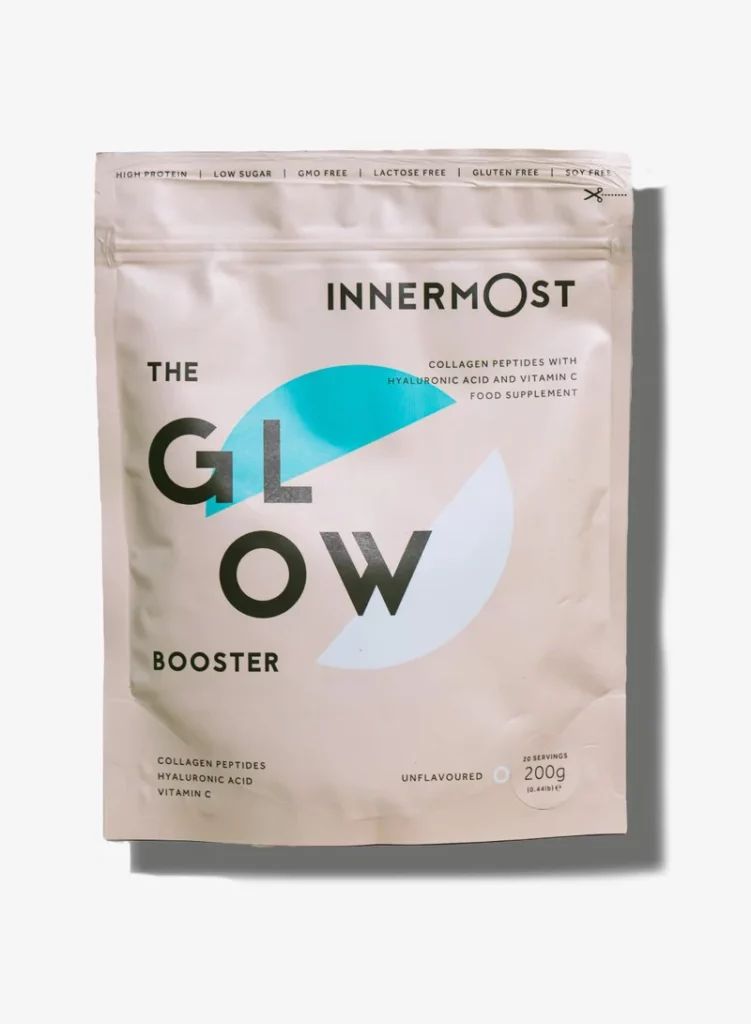
Photo: Pinterest/@Uncrate
Innermost The Glow combines collagen peptides with hyaluronic acid, biotin, folate and vitamin C. It comes in individual sachets, providing a measured serving without the need to scoop powder.
The additional nutrients give the formula a broader nutritional profile. Vitamin C contributes to normal collagen formation, while biotin contributes to the maintenance of normal skin and hair.
However, having several added ingredients does not automatically make a collagen supplement more effective. The benefits of each ingredient need to be considered separately from the evidence surrounding collagen itself.
What to Know Before Buying


Photo: Pinterest/@Uncrate
Collagen research remains mixed. Some clinical trials have reported improvements in measures such as skin hydration and elasticity, while reviews have raised concerns about small sample sizes, study quality and potential industry involvement.
When comparing products, check the collagen source, amount per serving, ingredients and allergens. Marine collagen is not suitable for people with relevant fish allergies, while bovine collagen is animal-derived and unsuitable for vegans.
Collagen can be part of a supplement routine, but it is not a guaranteed anti-ageing solution. Looking at the dose, ingredients and evidence behind a product’s claims gives a clearer picture of what you are actually buying.
You must be logged in to post a comment Login