Fitness
How Often Should You Wash Your Gym Wear?
You finish a workout, hang your leggings or T-shirt up to dry, and wonder whether you can wear them for another session before washing them. It’s a common habit, especially if they don’t smell bad. But gym wear is different from the clothes you wear every day, and it needs different care.
For most people, the answer is straightforward: wash gym wear after every workout. Dermatologists, laundry specialists and fitness experts recommend this because sweat is only part of the issue. During exercise, clothing collects body oils, dead skin cells and bacteria. Performance fabrics such as polyester and nylon are designed to move moisture away from your skin, but they can also trap odour-causing bacteria more easily than natural fibres.

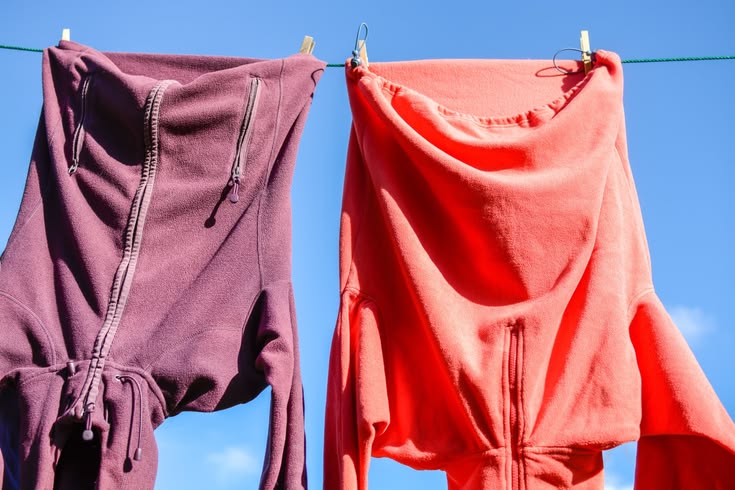
Photo: Pinterest
Not every workout leaves your clothes equally sweaty. A gentle walk in cool weather or a light stretching session at home is very different from an hour of strength training or an indoor cycling class. If you barely worked up a sweat and wore loose-fitting cotton clothing, you may be able to wear it once more, provided you let it dry completely between uses. However, tight-fitting items such as sports bras, leggings, compression shorts and moisture-wicking tops should be washed after every wear because they sit close to the skin, where sweat and bacteria collect most.
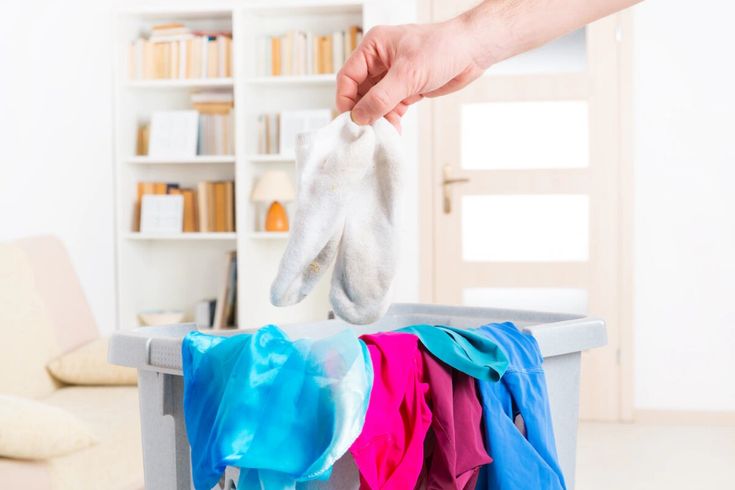
Photo: Pinterest
Leaving gym clothes unwashed for too long can cause more than unpleasant odours. Damp workout gear creates conditions that allow bacteria and fungi to multiply. For some people, particularly those with sensitive or acne-prone skin, wearing sweaty clothes again may increase the risk of irritation, blocked pores and infections such as folliculitis. Washing activewear after use helps reduce those risks.

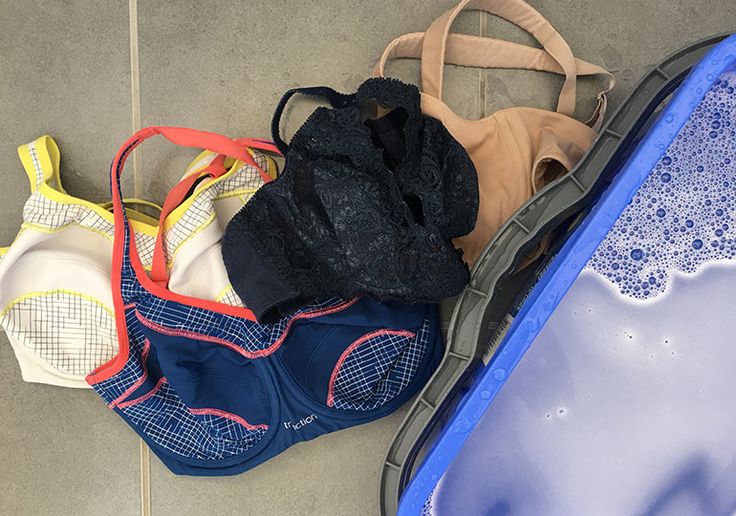
Photo: Pinterest
How you care for gym wear is almost as important as how often you clean it. One of the biggest mistakes is leaving sweaty clothing crumpled inside a gym bag for hours. If you cannot wash it straight away, hang it up to dry first. This slows the growth of bacteria and makes lingering odours easier to remove later.
Before washing your gym wear, turn each item inside out. Sweat, deodorant and body oils collect on the inside of the fabric, so this allows detergent to clean the areas where build-up is greatest. Cold water is usually the safest choice because it protects stretchy fibres and helps activewear keep its shape for longer.
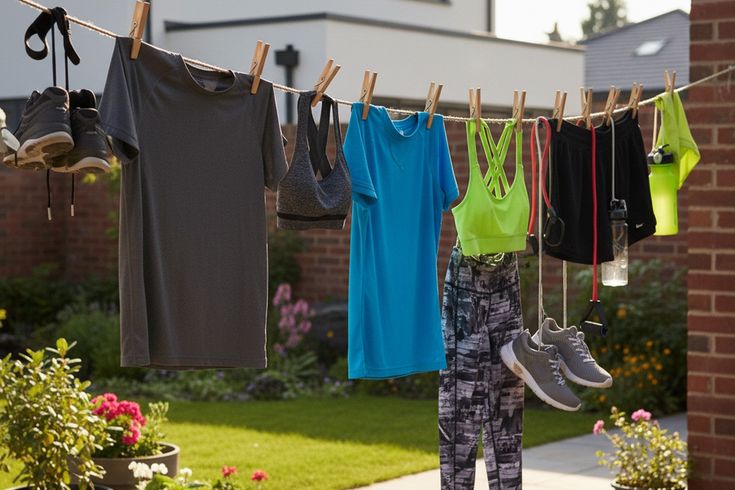
Photo: Pinterest
Skip fabric softener. Although it can make clothes smell pleasant, it leaves a coating on moisture-wicking fabrics that reduces their ability to draw sweat away from the skin. Over time, it can also make stubborn odours harder to remove. If your gym clothes continue to smell after washing, try a detergent made for sportswear instead of adding more fabric softener or scent boosters.
Air drying also helps performance clothing last longer. High heat from a tumble dryer can weaken elastic fibres, causing leggings, sports bras and fitted tops to lose their stretch more quickly. Drying them naturally helps preserve their shape and stretch.

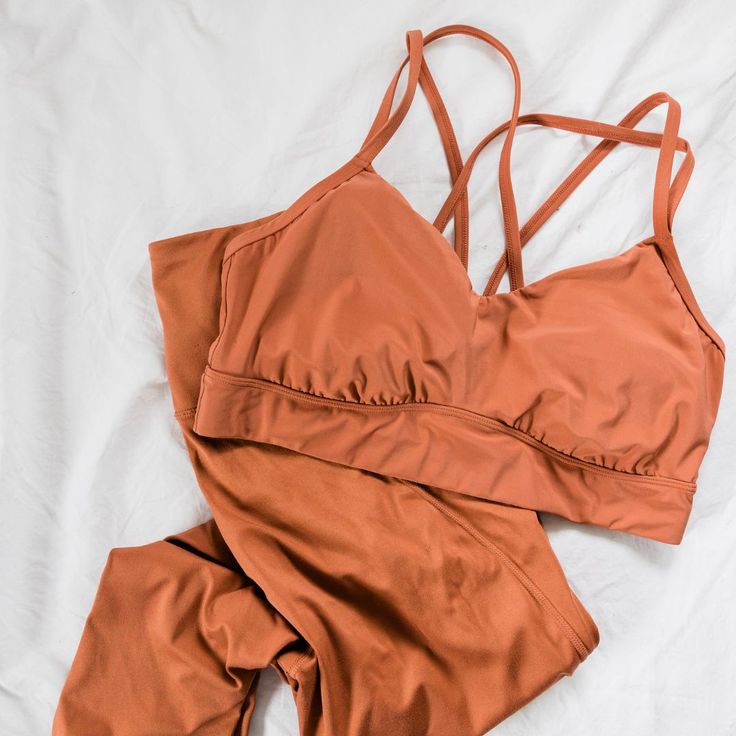
Photo: Pinterest
If you are trying to cut down on laundry, avoid wearing sweaty gym clothes again. Instead, keep a few workout outfits in rotation so you can wash several items together. This uses water and energy more efficiently while keeping your gym wear clean and helping to protect your skin.
The next time you consider wearing yesterday’s workout clothes again, do not judge them by how they smell. By the time odours become noticeable, bacteria have already built up in the fabric. Washing gym wear after every proper workout remains the best way to protect both your clothes and your skin.
You must be logged in to post a comment Login