Health
5 Vegetarian Sources of Omega-3s
Omega-3 fatty acids are commonly associated with oily fish such as salmon and mackerel, but they are not limited to seafood. For vegetarians, several plant-based foods provide omega-3s, mainly in the form of alpha-linolenic acid (ALA), which the body converts in limited amounts into other omega-3 forms.
Here are five vegetarian sources worth including in a balanced diet.
Flaxseeds

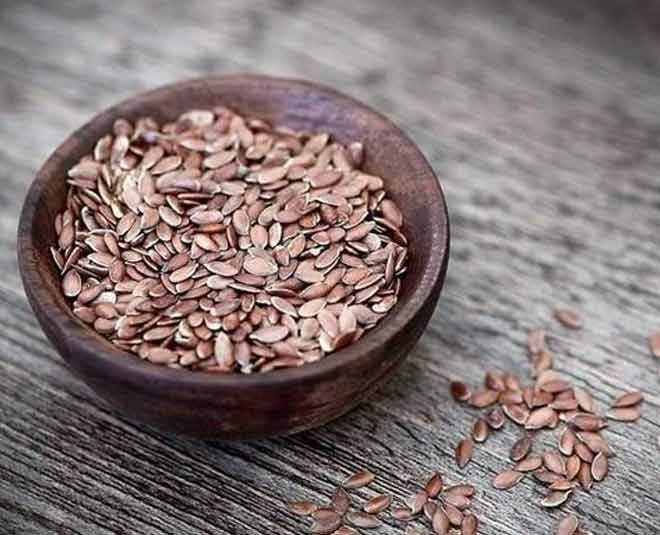
Photo: Pinterest
Flaxseeds are among the richest plant sources of omega-3s. One tablespoon of ground flaxseed provides a significant amount of ALA.
They also contain fibre, protein and several minerals. Whole flaxseeds may pass through the digestive system undigested, so ground flaxseed is generally preferred.
They can be added to porridge, yoghurt, smoothies or baked foods.
Chia Seeds
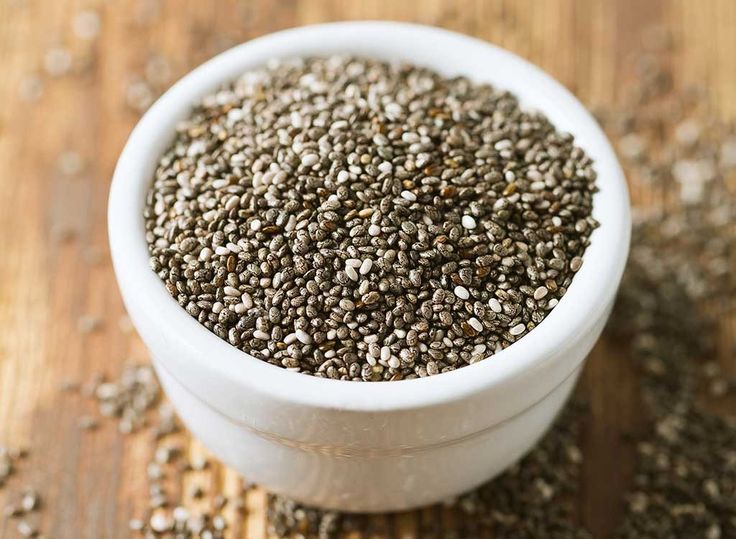

Chia seeds are a concentrated source of omega-3s, particularly ALA. They also contain fibre and plant protein.
When mixed with liquid, they form a gel-like texture due to their soluble fibre content.
They can be used in overnight oats, smoothies or sprinkled over cereals.
Walnuts


Photo: Pinterest
Walnuts are the only widely available nut with a meaningful omega-3 content. They also contain fibre and plant compounds known as polyphenols.
Studies have associated walnut consumption with favourable effects on cardiovascular markers.
They can be eaten on their own or added to salads, grain dishes and baked foods.
Hemp Seeds

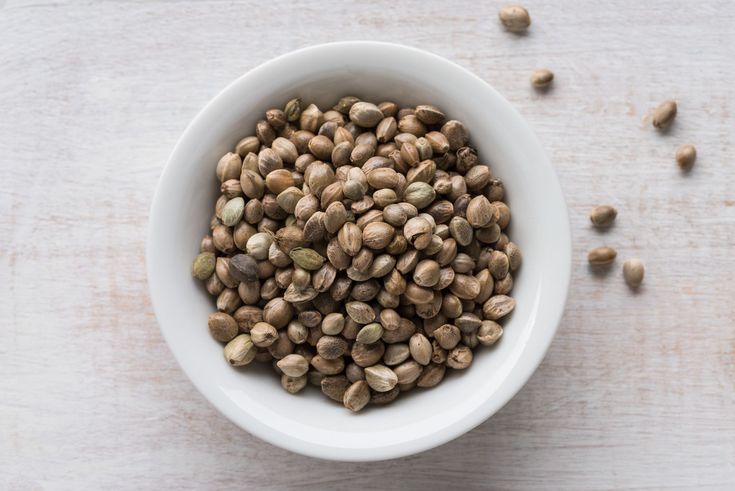
Photo: Pinterest
Hemp seeds provide omega-3 and omega-6 fatty acids in a useful ratio, along with protein and minerals such as magnesium and potassium.
They have a mild flavour that allows them to blend easily into meals.
They can be sprinkled over salads, soups and vegetables or blended into smoothies.
Soy Foods

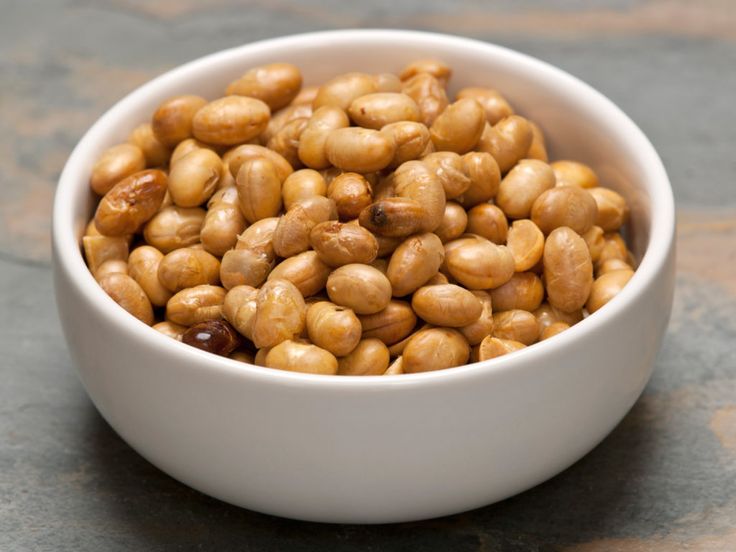
Photo: Pinterest
Soybeans and soy-based foods such as tofu, tempeh and edamame provide modest amounts of omega-3s alongside plant protein.
They are commonly used in vegetarian diets as versatile protein sources.
Edamame can be eaten as a snack, while tofu and tempeh are often used in stir-fries and salads.
Conclusion
Plant-based foods mainly provide ALA, which the body converts in limited amounts into other omega-3 forms. Including a range of seeds, nuts and soy foods can help increase overall intake.
For those avoiding fish, these foods offer practical options for maintaining dietary omega-3 consumption.
You must be logged in to post a comment Login