Trending
Prince Harry Exchanged Flirty Facebook Messages Before Learning He Was Speaking to a Reporter, Court Hears
Court proceedings involving Prince Harry have revealed details about the often blurred boundaries between private communication and public exposure, with one key claim drawing attention: that the Duke of Sussex once engaged in flirtatious Facebook exchanges, only to later discover he had been speaking to a reporter.
According to details presented in court, the exchange dates back to a period before Harry’s marriage, when social media interactions were subject to less palace control. At the centre of the claim is a Facebook account posing as a private individual. The tone of the conversation, described as informal and flirtatious, suggested Harry believed he was engaging in a private interaction rather than communicating with a member of the press.

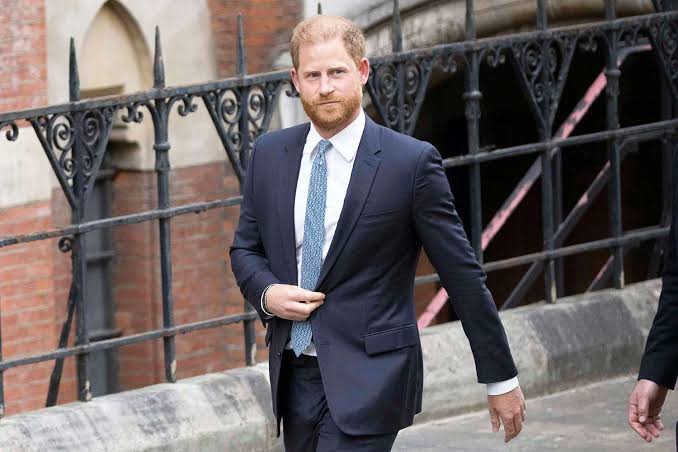
Prince Harry – Instagram
The court heard that Harry was unaware of the individual’s true identity during the exchange. This is central to his legal team’s argument: that there has been a pattern of deception used to access private information. While traditional phone hacking has been the focus of many past cases, this incident points to the shift of such tactics into digital and social media spaces.
Legal representatives argued that platforms like Facebook can be used to gather information when safeguards are weak. At the time of the exchange, social media verification systems were less robust, and impersonation was more difficult to detect. This enabled interactions that would likely not have happened otherwise.

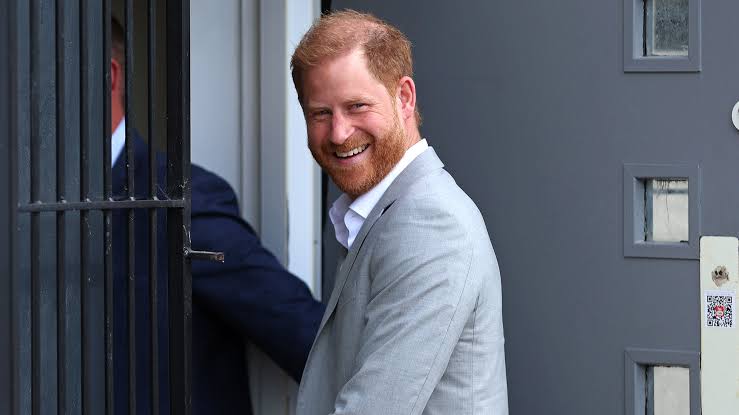
Prince Harry – Instagram
For the defence, the emphasis has been on challenging how the exchange is interpreted, particularly whether any wrongdoing can be conclusively established from the interaction alone. However, the broader case presented in court does not rely solely on this single incident. Instead, it is being positioned alongside other claims to illustrate a pattern within parts of the press.
The episode highlights the risks public figures face online. Even those with media training are not immune to misjudging online interactions, especially when those interactions appear personal and direct. In this instance, the informal nature of Facebook messaging may have reduced caution.


Prince Harry – Instagram
Beyond the legal implications, the case adds to discussions about privacy in the digital age. It highlights how personal boundaries can be crossed when identity is obscured, and how such interactions can later be used in legal or media proceedings.
As proceedings continue, the focus remains on the methods used to obtain information rather than the content of the messages themselves. Still, the detail has shifted attention within the case, drawing focus to the role of social media in modern newsgathering and the ethical boundaries involved.
You must be logged in to post a comment Login