Fashion
London Fashion Week AW26: The Shows, Designers and Moments That Matter
London Fashion Week’s Autumn/Winter 2026 edition arrives in February at a point when the industry is recalibrating scale, production, and retail lifespan. Early indications point to a schedule organised around technical expertise, with established British houses appearing alongside designers recognised for textile innovation and alternative manufacturing models.
London has historically operated as an experimental site within the global calendar. Paris and Milan often formalise trends; London reveals them while they are still evolving. The AW26 preview reflects that function. Attention is likely to centre on garment engineering, fabric development, and practical luxury, with headline staging secondary.

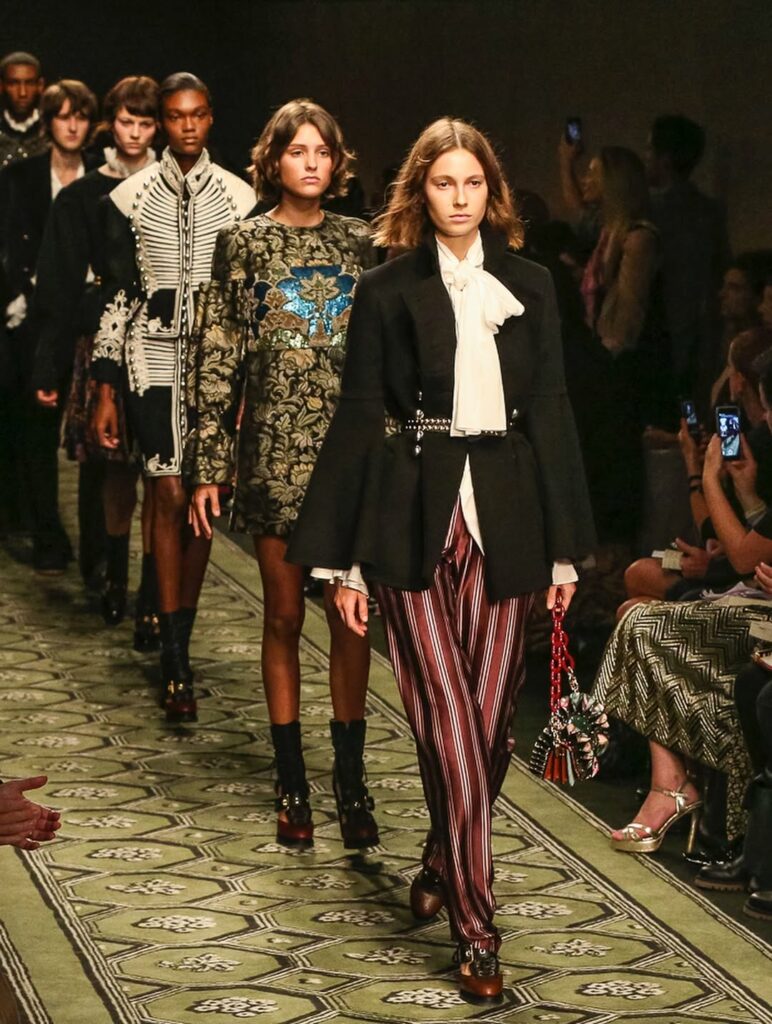
Photo Credit – Instagram
Burberry remains the structural core of the week. Its runway collections are treated by buyers as indicators of outerwear construction and fabric performance, where buyers are prioritising long-lasting garments and cost efficiency. Surrounding that anchor is a group of labels that define contemporary British womenswear. Erdem and Simone Rocha continue to explore sculpted forms and textured textiles, while Emilia Wickstead and Richard Quinn maintain a focus on exact tailoring and formal dressing adapted for export markets.The return of heritage names to the runway forms another point of industry attention. Observers are following brands recalibrating their design language after periods of transition, a pattern now common across European fashion capitals. London’s schedule provides a controlled setting for these resets, allowing labels to restate house codes without the pressure of arena-scale production.
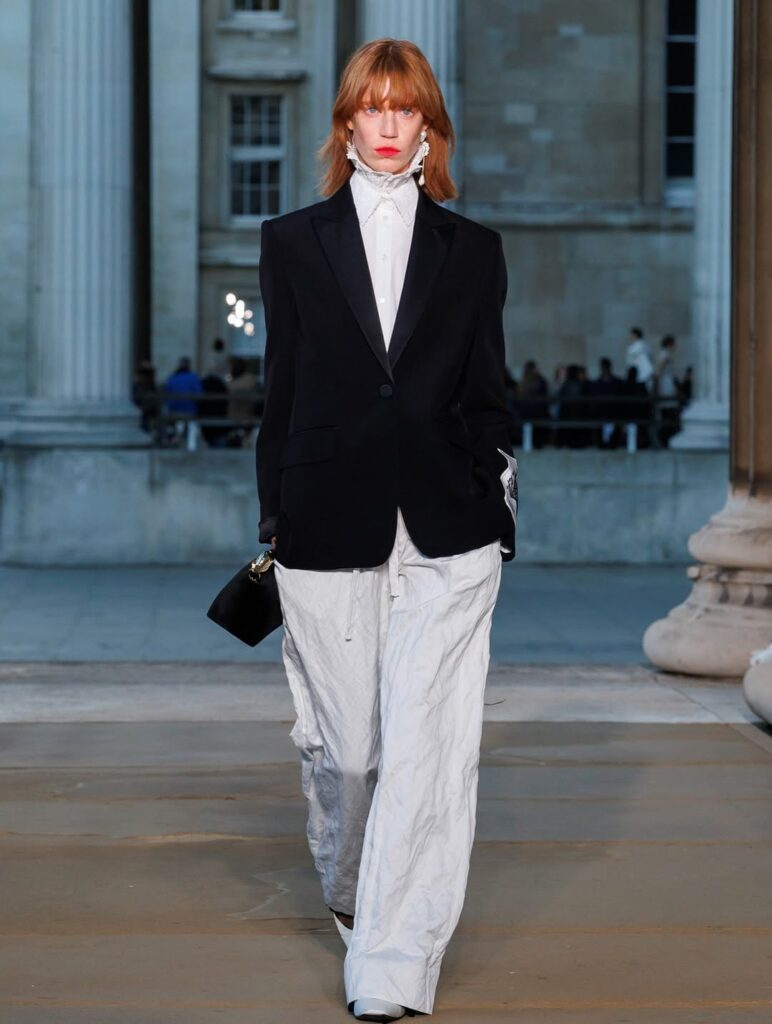
Photo Credit – Instagram
The British Fashion Council’s NewGen platform continues to operate as an entry route for early-stage talent. Designers connected to the initiative often foreground the mechanics of making: exposed pattern cutting, visible internal seams, and studio-format presentations that highlight craft and technique. For buyers and editors, these showcases indicate where structural innovation may emerge next.
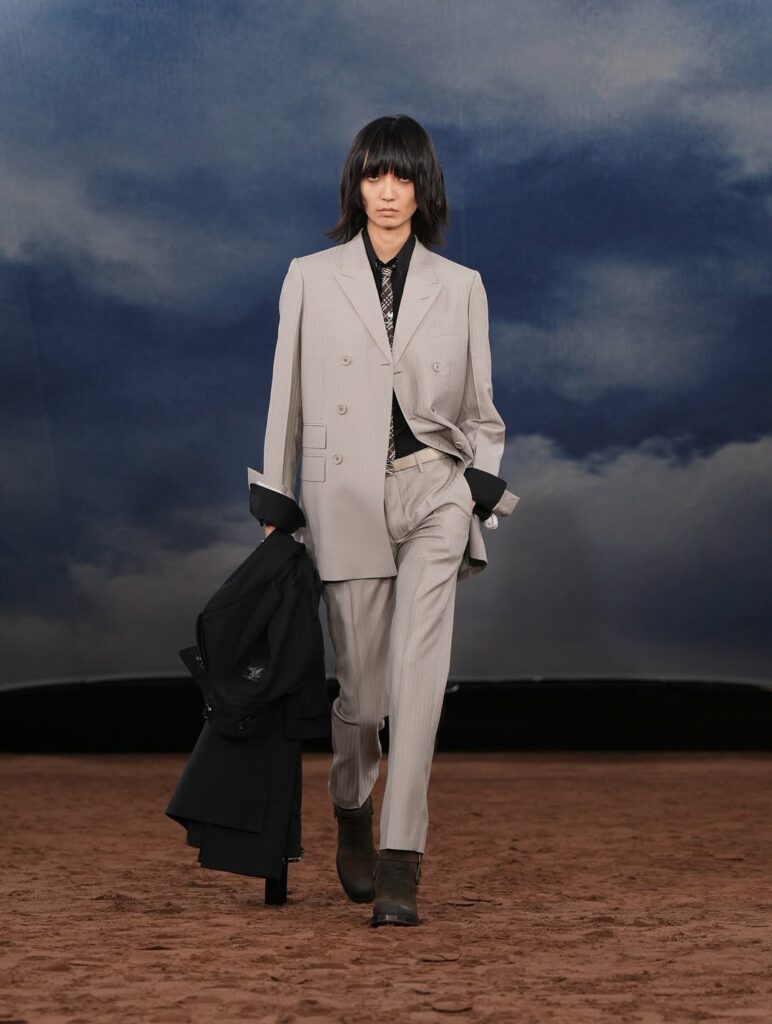
Photo Credit – Instagram
Another factor shaping the tone of the week is the increasingly international base of participating designers. Many maintain supply networks extending beyond Britain, using London as a commercial bridge into European and North American wholesale systems. The week functions as a forum for discussions around sourcing, sustainability standards, and distribution logistics.
Current retail conditions indicate a cautious environment heading into AW26. Across the industry, brands are concentrating on garments with extended sales cycles: modular outerwear, adaptable tailoring, and knitwear intended for multiple seasons. Buyers are evaluating longevity alongside aesthetics. London’s designers are assessed not only on visual direction but also on whether production methods are viable in commercial settings.
If these patterns continue, AW26 will reinforce London’s position as a working laboratory within the fashion system. It is a calendar stop where creative experimentation passes through technical scrutiny and commercial feasibility. The value of the week lies in its ability to reveal how garments are constructed, priced, and sustained once they enter the market.
You must be logged in to post a comment Login